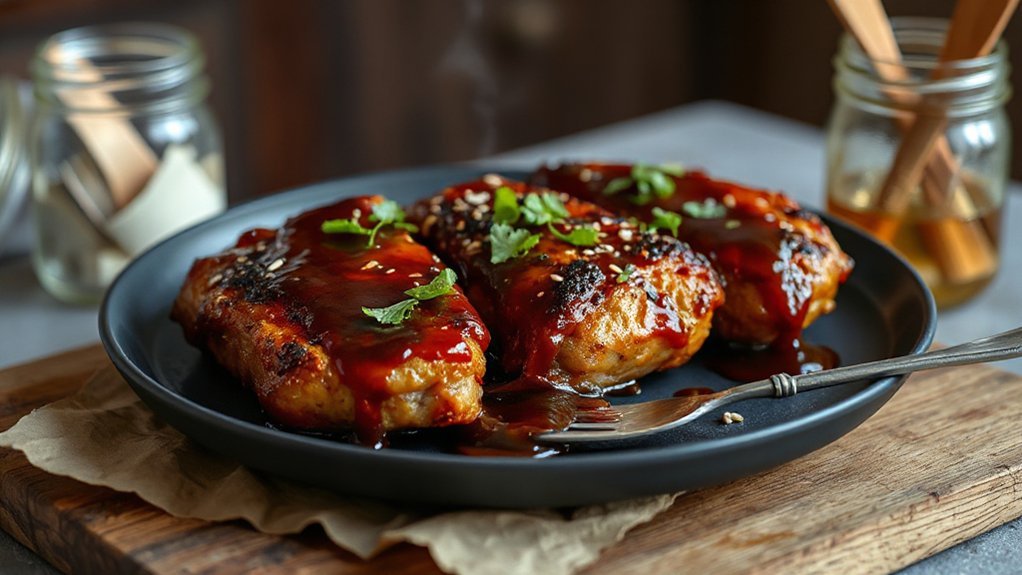
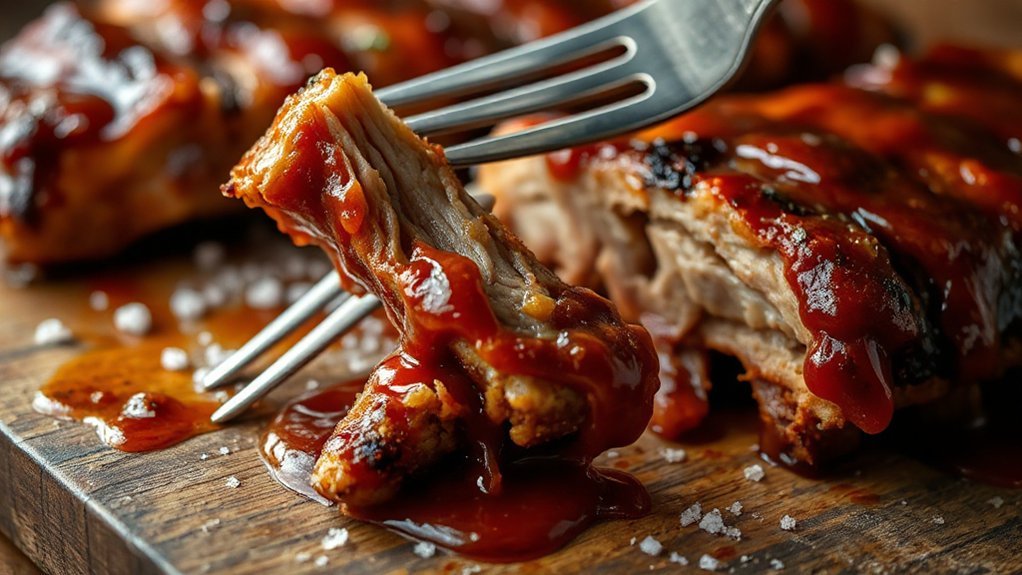
You’ll get a restaurant-quality pork tenderloin in your air fryer that’s lean, juicy, and fast. Its compact, uniform shape browns evenly, seals juices, and takes bold rubs or quick marinades beautifully. Trim the silver skin, tie for even cooking, then sear at high heat and finish at a lower temp with a probe to 140–145°F. Rest 5–10 minutes, slice against the grain, and serve with sides — keep going for tips on seasoning, timing, reheating.
Why Pork Tenderloin Is Perfect for the Air Fryer
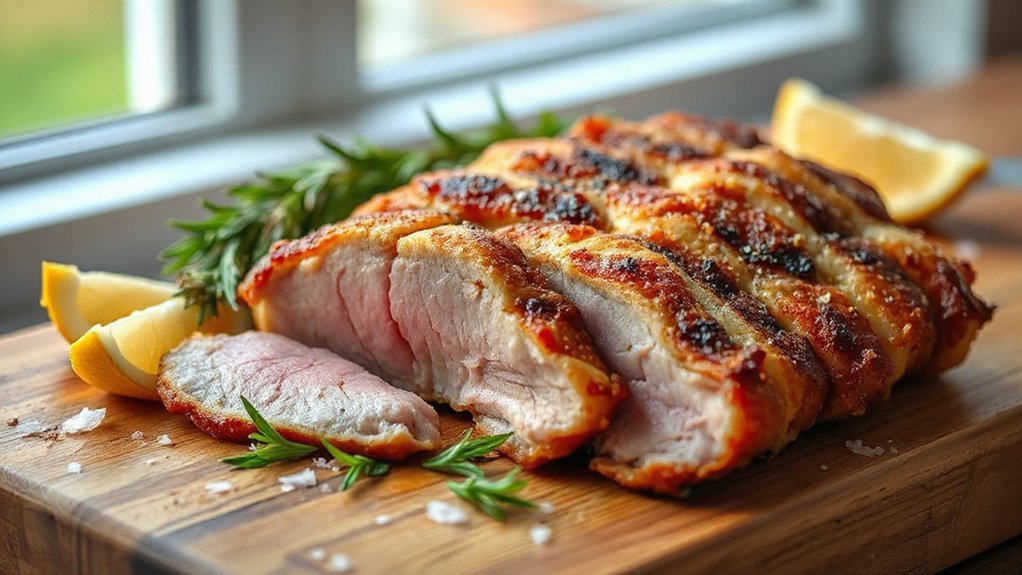
Pork tenderloin’s compact size and lean, uniform shape make it a natural fit for the air fryer—you’ll get even cooking without babysitting. You’ll love how that uniform shape lets hot air circulate consistently, so you can achieve a golden crust while keeping the center juicy. Because pork tenderloin has a mild flavor, it acts like a blank canvas for bold rubs, quick marinades, or simple salt-and-pepper treatments; you can control seasoning intensity without overpowering the meat. The lean profile trims fuss: shorter cook times, less splatter, and an elegant presentation with minimal effort. You’ll appreciate the predictable results—slice after slice comes out tender, slightly pink, and ready to impress. Air frying concentrates texture and seals juices fast, so you won’t dry the cut. In short, if you want an elegant, reliable weeknight or special-occasion main that’s quick and forgiving, pork tenderloin in the air fryer delivers every time.
Ingredients and Equipment Checklist
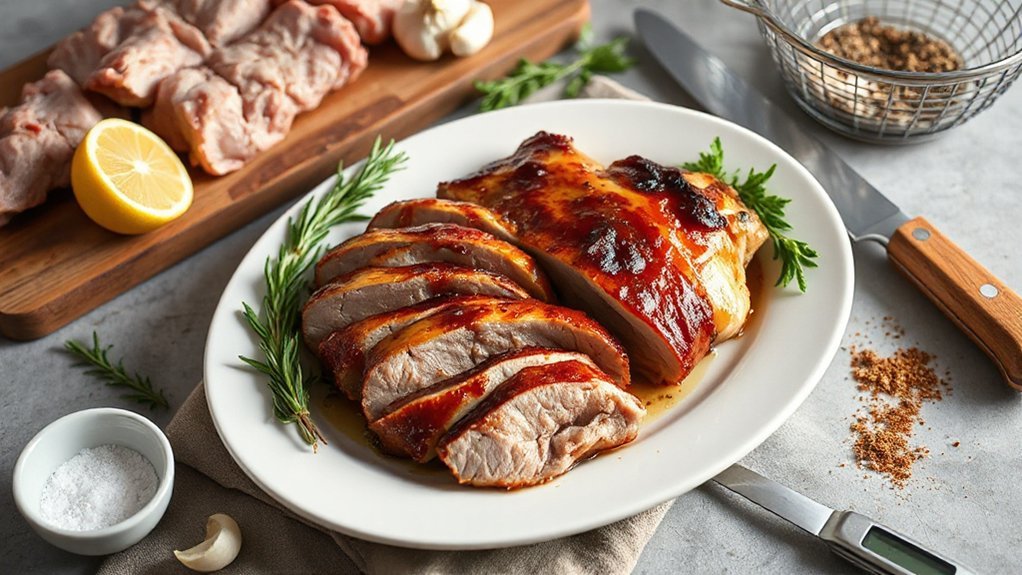
A few simple ingredients and a couple of easy-to-find tools are all you need to get started. You’ll want a 1–1.5 lb pork tenderloin, kosher salt, black pepper, garlic powder, smoked paprika, olive oil, and a touch of Dijon mustard or honey for glaze. For sides, grab potatoes or a quick salad. Equipment is basic: an air fryer with a reliable basket, tongs, a meat thermometer, and a small bowl for mixing the rub.
Keep tool maintenance in mind—clean the basket after each use and dry parts thoroughly so your fryer lasts. If you’re missing something, sensible ingredient substitutions work: use regular mustard for Dijon, maple syrup for honey, or dried herbs instead of fresh. You’ll be ready to season and cook in minutes, with everything organized and within reach. Keep a small cutting board and sharp knife handy for quick portioning and safe handling while you cook.
Trimming and Preparing the Tenderloin
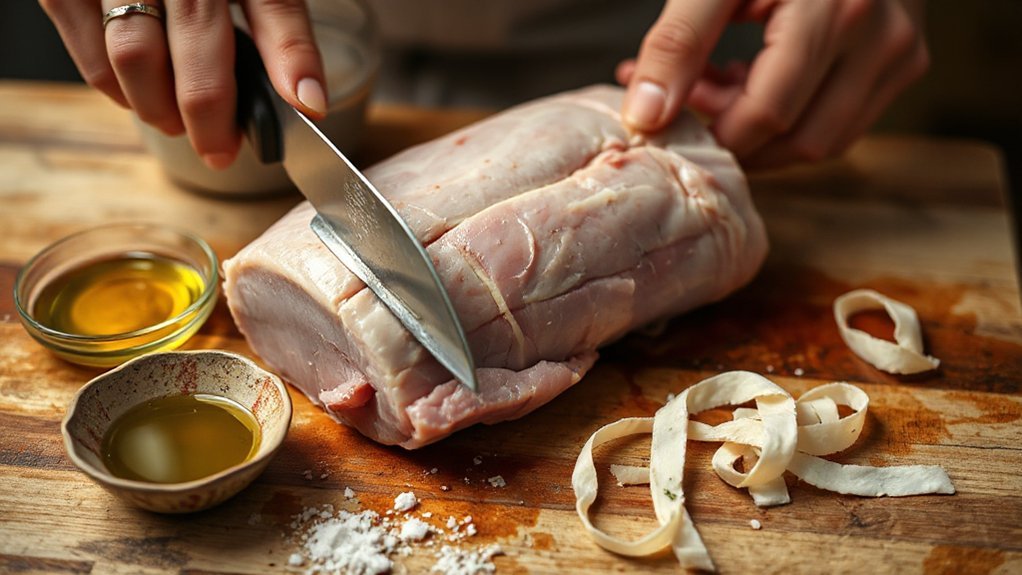
Before seasoning, you should remove the tough silver skin with a sharp knife so the meat won’t curl. Trim any excess fat to prevent flare-ups and uneven browning. Then tie the tenderloin with butcher’s twine every inch or so to keep an even shape and guarantee consistent cooking in the air fryer.
Remove Silver Skin
Trimming away the silver skin makes your tenderloin more tender and lets seasonings soak in, so don’t skip it. Grab a sharp, flexible knife and check your knife maintenance—sharpness matters for clean cuts. Slide the tip under a corner of the silvery membrane, lift slightly, and angle the blade so it runs parallel to the meat. Hold the skin taut with your other hand and use smooth, shallow strokes to separate it, following the fiber orientation to avoid tearing the meat. Work patiently; you’ll remove only the membrane, not layers of muscle. Keeping the blade sharp and your movements controlled gives you neat results and better texture after cooking. You’ll notice the improved bite immediately after.
Trim Excess Fat
While you can leave a thin layer for flavor, you’ll want to remove any thick, ragged fat that won’t render during cooking. Use a sharp knife, pull small sections taut, and trim confidently so the meat cooks evenly and stays lean. Save trimmed pieces for compost or dispose responsibly—proper fat disposal reduces kitchen grease and odors. Trimming also improves crust development and lowers calories; consider the nutritional impact when you prep. Quick tip: work near a bright light and steady board to see seams and pockets. Clean the blade between passes for neat cuts. With minimal trimming you get juicy pork without excess grease, and cleanup stays simpler.
| Tool | Action | Benefit |
|---|---|---|
| Knife | Trim fat | Leaner meat |
| Paper towel | Pat dry | Better sear |
Happy cooking.
Tie for Even Cooking
Tying the tenderloin helps it cook evenly and keeps a nice, uniform shape, so grab some kitchen twine and make a few snug loops about 1 inch apart—tight enough to hold the meat but not so tight that it digs in. Start at one end, loop butcher’s twine under the loin, and tie simple trussing knots every inch; they’re quick and secure. Keep the meat’s thickness consistent by adjusting spacing where it narrows. Trim any loose bits first so the twine seats neatly. When you’re done, trim excess twine and pat the surface dry for even browning. This tidy prep keeps slices attractive, promotes uniform doneness, and makes carving easy—no guesswork, just reliable results. Serve with confidence and watch guests praise your perfect tenderloin.
Flavorful Seasoning and Marinade Options
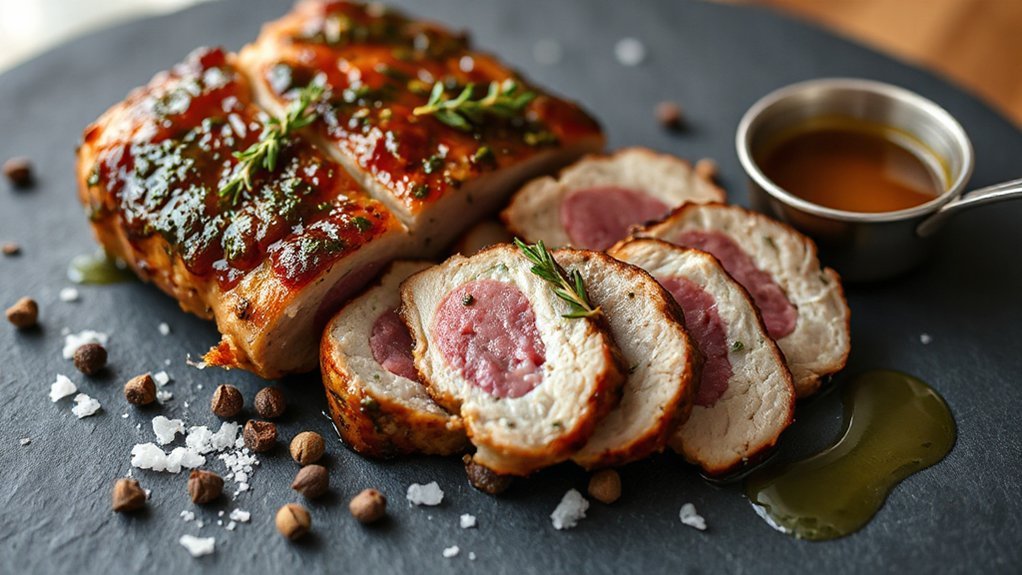
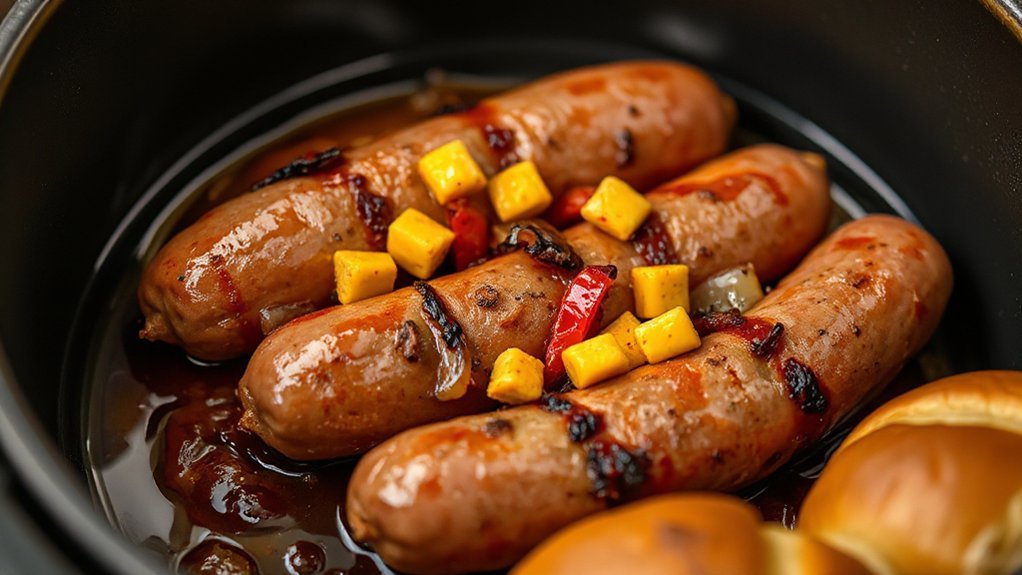
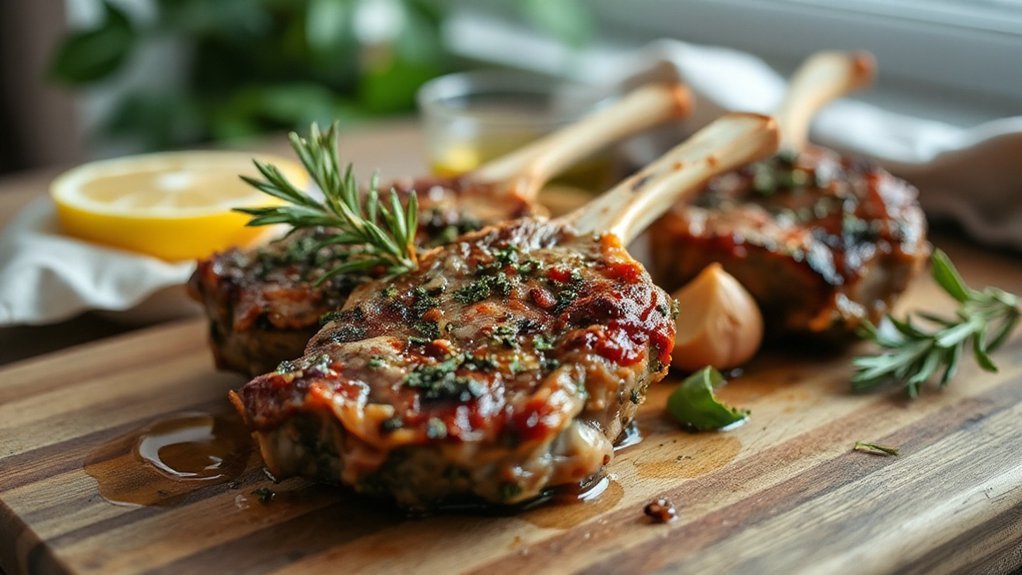
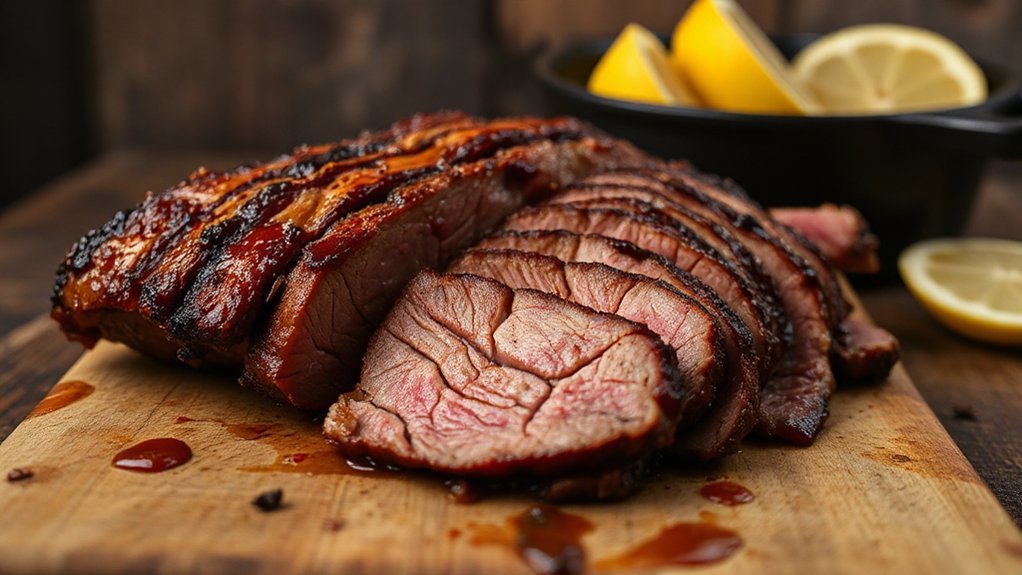
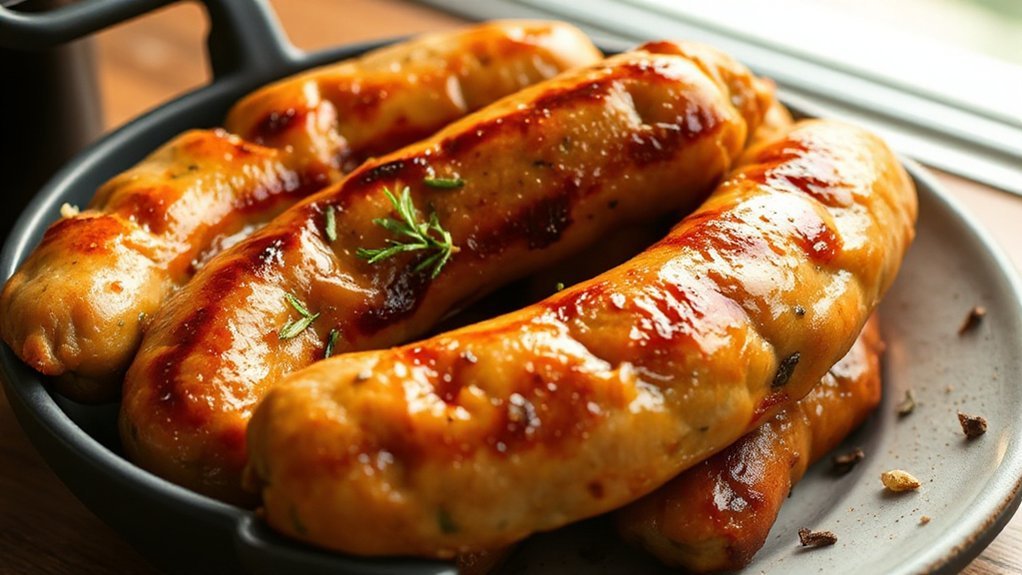
You can keep it simple with a classic herb rub—rosemary, thyme, garlic, salt and pepper—for a bright, savory crust. Or go bold with an Asian-inspired marinade of soy sauce, honey, ginger and sesame oil that brings sweet-salty umami. Both transform your tenderloin in the air fryer, so pick the flavor that matches your mood and let it marinate at least 30 minutes.
Classic Herb Rub
Elevating pork tenderloin with a classic herb rub brings bright, savory flavor with minimal effort. You’ll mix rosemary, thyme, garlic powder, salt, and pepper, then press it onto the meat so each bite pops. Pay attention to Herb Storage—keep dried herbs airtight, away from light—for peak flavor. Use simple Grinding Techniques: crush whole peppercorns and flaky salt just before rubbing to release oils. Here’s a quick guide:
| Herb | Amount | Tip |
|---|---|---|
| Rosemary | 1 tbsp | Chop fine |
| Thyme | 1 tbsp | Strip leaves |
| Garlic powder | 1 tsp | Add early |
| Pepper | 1 tsp | Grind fresh |
You’ll get a fragrant, balanced crust that complements juicy pork without overpowering it. Rest five minutes before slicing to redistribute juices, and you’ll enjoy tender, flavorful slices every time—trust it always truly now.
Asian-Inspired Marinade
Marinating pork tenderloin in an Asian-inspired blend brings a punchy, balanced flavor that’s quick to pull together: combine soy or tamari for saltiness, rice vinegar or lime for brightness, fresh ginger and garlic for bite, and a touch of honey or brown sugar to round it out. You’ll get savory, sweet, tangy layers that honor cultural origins and subtle flavor symbolism—soy for umami depth, citrus for lift, ginger for warmth. Whisk, coat, and chill for 30–60 minutes. Picture the profile:
- Glossy mahogany glaze catching the light.
- Tiny ginger flecks nodding to warmth.
- Lime zest brightening each slice.
- Scattered sesame seeds adding crunch.
Air fry to caramelized edges and juicy interior; serve sliced and proud. Finish with scallions and a squeeze.
Air Fryer Temperature, Time, and Technique
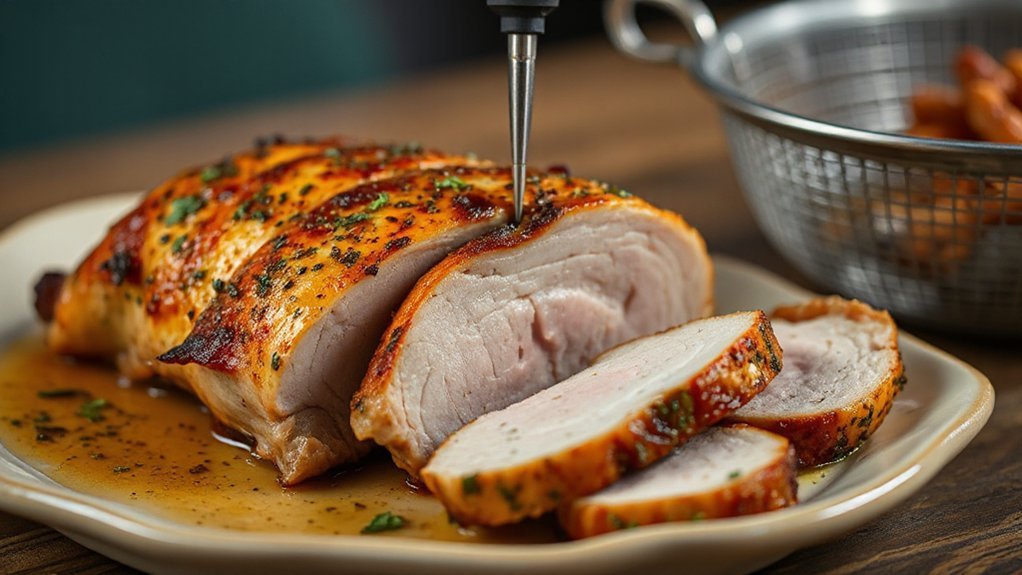
Set the air fryer to 400°F (205°C) for a quick sear, then drop to 375°F (190°C) to finish—you’ll get a crisp exterior and a juicy, evenly cooked interior. Use preheat recommendations from your fryer’s manual—2–3 minutes is usually enough—and don’t skip that step; a hot basket starts the Maillard reaction. Pat the tenderloin dry, coat lightly, and place it center-stage to allow even circulation. Mind airflow management: leave space around the meat, don’t overcrowd, and position seam-side down so heat flows evenly. Cook times vary by size; plan roughly 12–18 minutes at the lower temp after searing, flipping once halfway for uniform color. Rest briefly after cooking to let juices settle. If your model runs hot or has hot spots, reduce temps by 10–15°F and watch the first run. You’ll nail timing with simple adjustments each time too.
How to Test for Perfect Doneness
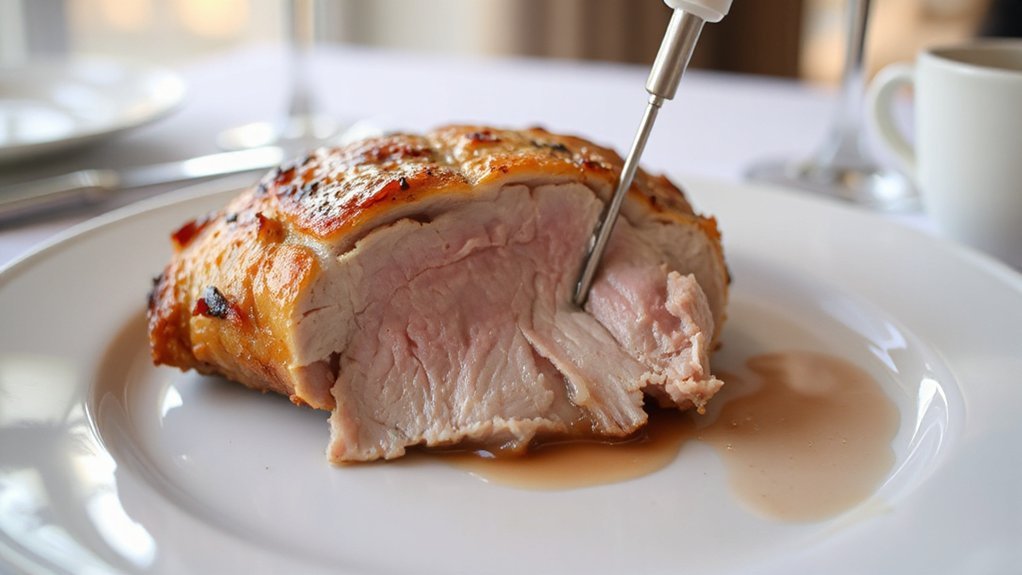
After your sear and finish, you’ll want to confirm the center is perfectly cooked, not guess. Use a quick thermometer first: probe the thickest part and look for 145°F (63°C) for juicy, safe pork. If you don’t have a thermometer, use the Touch method—compare the tenderloin’s give to the fleshy area below your thumb when touching forefinger and thumb; it should feel slightly springy. Check Juice clarity by making a tiny poke: juices should run clear with a faint blush, not cloudy or bloody. For confidence, combine methods: thermometer, touch, sight, and a minimal poke. This layered approach keeps you from overcooking while ensuring safety. Practice these checks a couple times and you’ll internalize feel, color, and temperature for consistent results.
- Thermometer probe into center.
- Touch method for firmness.
- Poke to observe Juice clarity.
- Combine indicators—don’t rely on one alone.
You’ll feel confident and ready.
Resting, Slicing, and Presenting the Meat
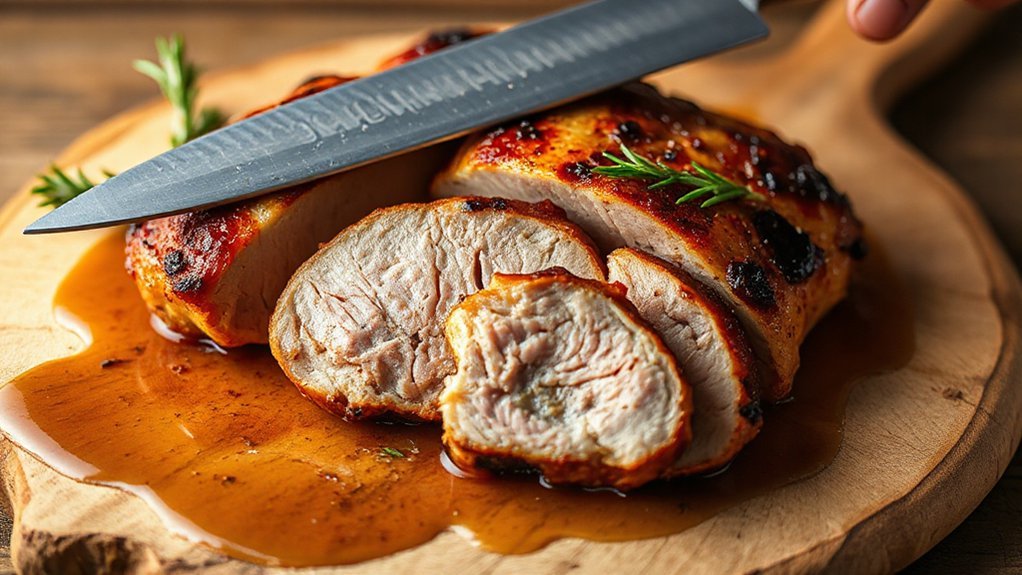
Letting the tenderloin rest for 5–10 minutes keeps juices locked in so each slice stays moist and flavorful, and you’ll thank yourself for the pause. During that resting duration, tent the meat loosely with foil to retain warmth without steaming the crust. When you slice, use a sharp knife and cut against the grain into even medallions about 1/2-inch thick; consistent thickness guarantees uniform texture and an elegant presentation. Trim ragged edges as you go to keep lines clean. Arrange slices slightly overlapping on a warm platter, leaving negative space to highlight the meat’s color and sear. For plating aesthetics, add a light swipe of reduced pan juices or a glossy glaze on top of each slice, then finish with a sprinkle of flaky salt and a few microgreens or chives for contrast. Serve promptly so the tenderloin’s juiciness and appearance shine. Enjoy the applause from delighted guests.
Side Dishes and Serving Pairings
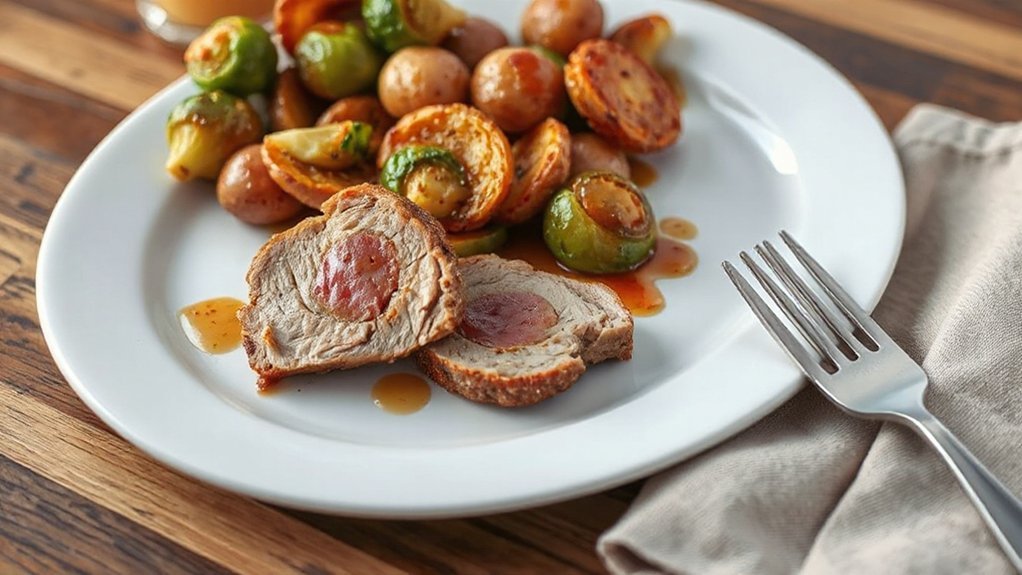
When you pair your air fryer pork tenderloin with complementary sides, aim for contrasts in texture and brightness to balance the rich, juicy meat. Choose a Citrus Salad with peppery arugula, segments of orange, thin fennel, and a light vinaigrette to cut through richness. Add Maple Brussels — roasted until caramelized with a splash of maple and a pinch of chili — for sweet-savory depth.
Pair air-fryer pork tenderloin with bright, textured sides — citrus salad and maple-roasted Brussels for balanced richness.
- Herb mashed potatoes: creamy, buttery base that soaks up juices.
- Charred asparagus: quick, smoky stalks for crunch.
- Citrus Salad: bright, acidic counterpoint that refreshes the palate.
- Maple Brussels: caramelized edges and a hint of sweetness to echo any glaze.
Finish with a simple pan sauce or whole-grain mustard on the side; serve family-style so everyone can mix textures and flavors the way they like. You’re aiming for balance, not complication. Pair wines like a chilled rosé or a light Pinot noir to elevate the meal.
Storing Leftovers and Reheating Safely
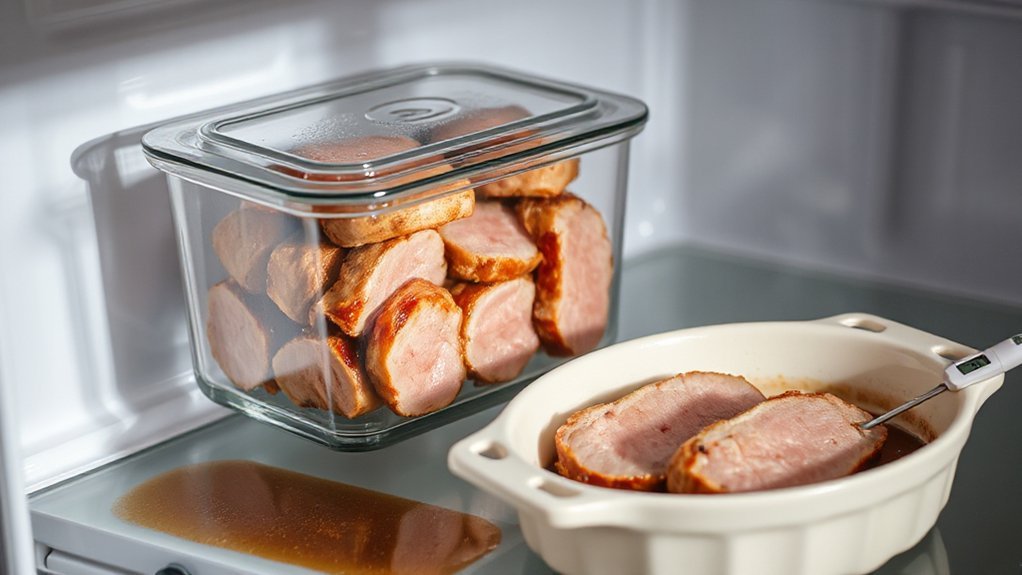
If you’ve got leftover pork tenderloin, don’t let it sit out — cool it within two hours, portion or leave whole, and seal it in airtight containers or tightly wrapped foil; refrigerate for 3–4 days or freeze for up to three months, and label the date so you know what to eat first. When you plan meals, consider Storage Duration: use refrigerated portions within four days, and pull frozen portions a day ahead to thaw in the fridge. For Reheat Methods, slice cold meat and reheat gently to preserve juiciness: use a 275°F oven until internal temp reaches 140–145°F, or warm slices in a skillet with a splash of broth over medium-low heat. You can microwave in short bursts, covered, stirring or flipping between intervals to avoid dry edges. Always check temperature with a probe, cool leftovers quickly after serving, and discard anything that smells off for safety.
Conclusion
You’re the captain steering a lean, juicy tenderloin through a hot, humming air fryer sea; you’ve trimmed, seasoned, timed, and rested it like a careful navigator. Each slice is a trophy—warm, tender, deserving applause. You’ll plate it, pair it, savor it, and tuck leftovers away with pride. Cooking this way isn’t just a recipe; it’s a small, triumphant voyage you get to take again and again, and every meal tells your kitchen’s happiest story, truly.
About The Author