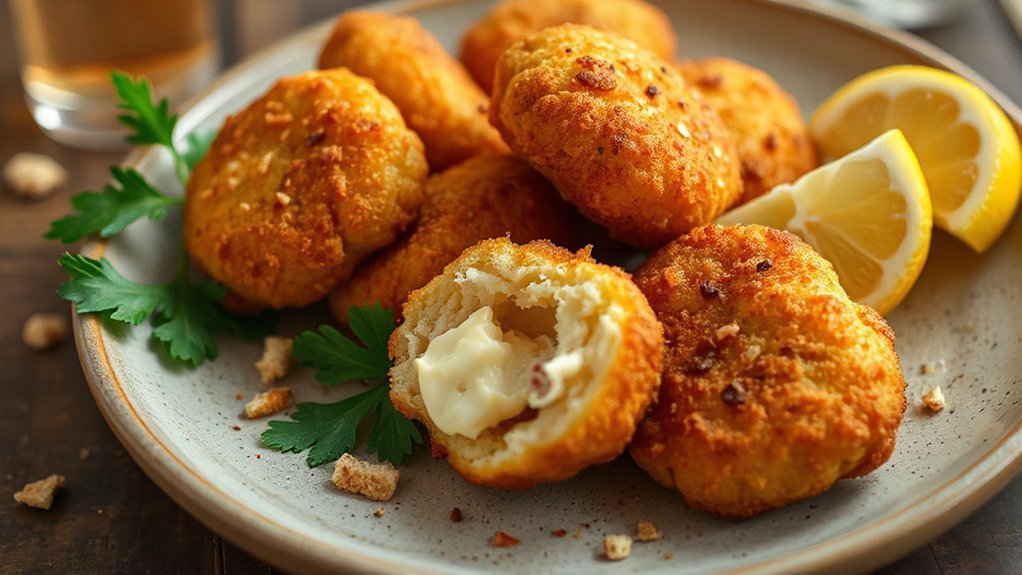
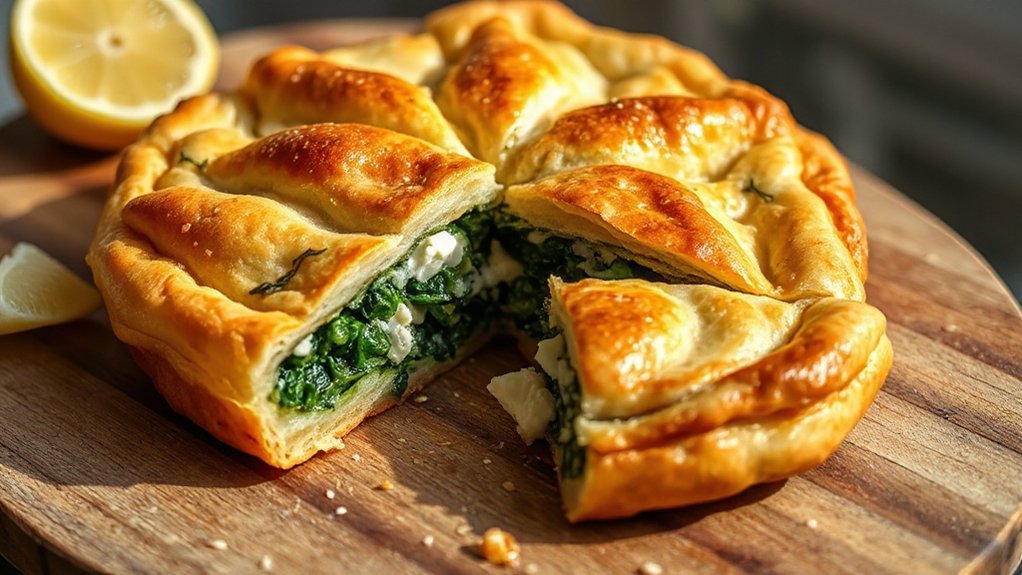
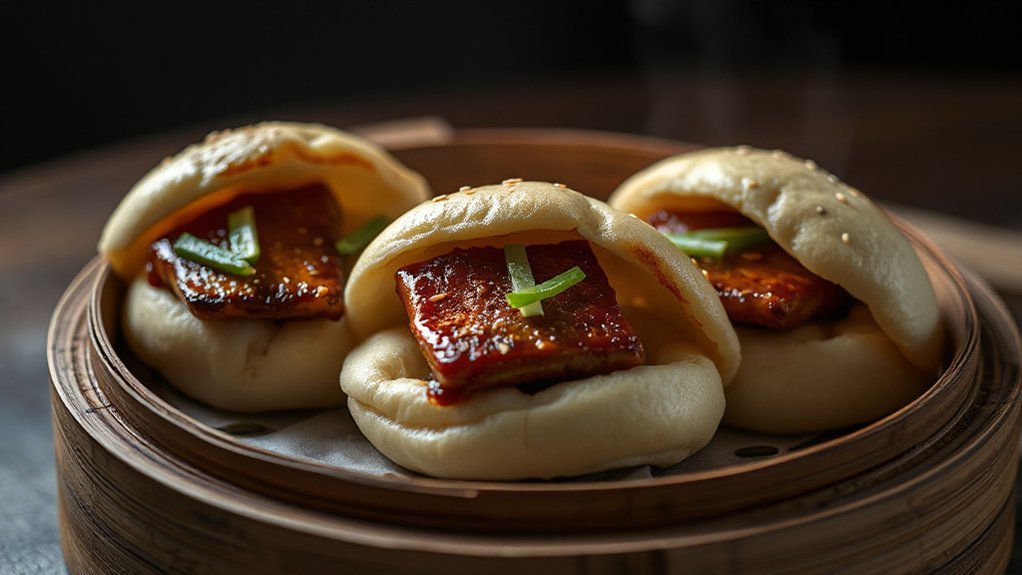
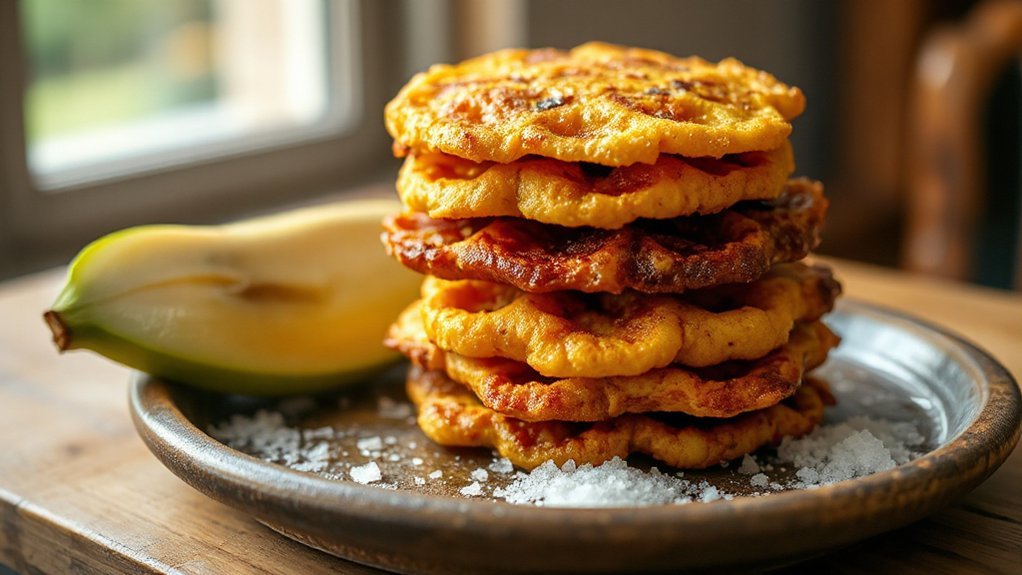
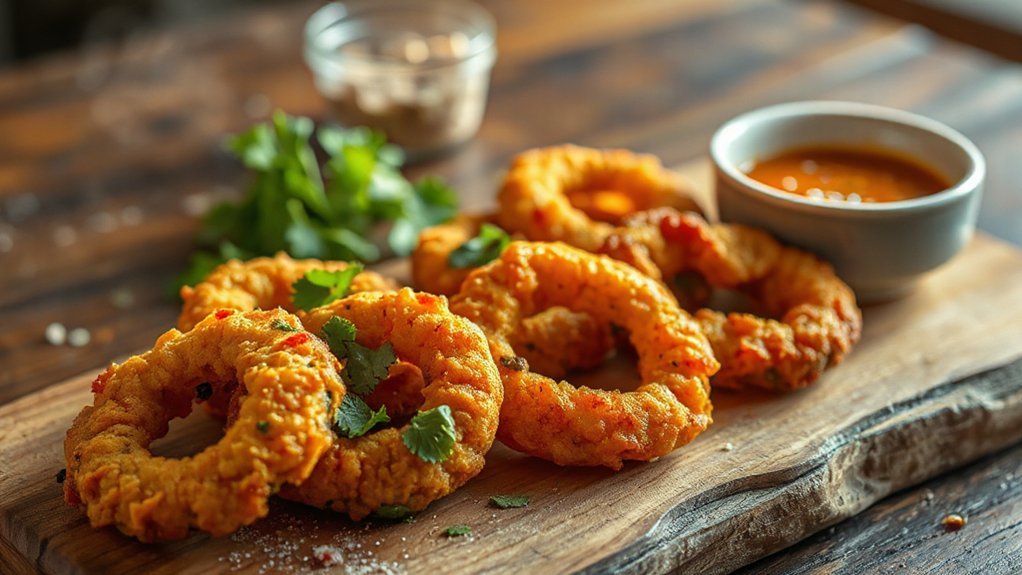
We’re fixin’ to show you how simple this swap can be. We’ve seen folks ditch big appliances for faster weeknight wins. The goal is crispy, juicy food with less fuss and lower bills.
Here’s the short of it: an air fryer uses powerful hot air that circulates tight and fast—kinda like a mini convection setup. That means quicker cook times and a different heat feel than a full-sized oven.
We’ll share the general rule we trust when changing settings, plus simple tips for checking doneness—color, texture, and juiciness—so you can make sure meals are safe and tasty. We’ll also point out which recipes translate best and when the classic oven still earns its keep.
Stick with us and you’ll walk away with practical steps you can use tonight—no fancy gear, just your fryer and a little know-how. Let’s get you cookin’ with confidence!
Key Takeaways
- Air fryers speed up cooking by circulating hot air in a small space.
- Follow a simple general rule when doing an oven air fryer swap.
- Watch color, texture, and juiciness to make sure food is done.
- Some recipes convert beautifully; others are best left for the oven.
- Small tweaks and our tips keep dinners on time and crunchy.
- Use the handy chart later in this guide for quick settings.
Why oven to air fryer conversion matters right now
We’re in a season of busy nights and tight budgets. Swapping package directions into a compact cooker shaves precious minutes off dinner and trims your power bill. That’s real help on weeknights.
Faster cook times and lower energy use make a big difference. These countertop units heat faster and use less energy than a full-size oven. That means cheaper runs and hotter plates sooner.

From conventional oven instructions to using air with less oil—most boxed foods still list conventional oven steps. Learn a quick rule and you’ll switch settings fast. You’ll get the same golden crunch with far less oil and fuss.
“A little tweak in time and temp saves minutes and keeps meals juicy.”
- Swap boxed directions for quicker timing and fewer watts.
- Read labels fast—then use simple rules to use air fryer settings safely.
- Always check doneness with a thermometer or visual cues.
Air fryer vs conventional and convection ovens: how hot air changes time and temperature
Hot air moving fast in a small chamber is the real reason small countertop fryers beat a big range for speed and crisp. We’ll show why that matters for your recipes and how to tweak settings with confidence.

Mini convection: why these units cook faster and more evenly
A powerful fan forces hot air around food in a tight space. That rapid circulation browns outsides quick while keeping insides tender.
Less oil, more crunch — and faster dinner on busy nights.
Conventional vs convection: what it means for recipe changes
Conventional models heat from elements and rely on still air. Convection adds a fan; compact fryers amplify that effect. So heat reach and timing shift.
General rule of thumb: reduce temperature, shorten cooking time
Our go-to rule: drop about 15–20°C (≈25°F) and cut cook time ~20%. Example: 205°C for 15 minutes becomes ~190°C for 12 minutes in a small unit.
“Match heat and minutes, then check early — that little tweak keeps food golden and juicy.”
| Original cook | Typical small-unit setting | Why it works |
|---|---|---|
| 205°C — 15 min | 190°C — 12 min | Faster circulation = quicker browning |
| 180°C — 25 min | 165°C — 20 min | Tighter space cuts time and evens heat |
| 220°C — 10 min | 205°C — 8 min | High airflow boosts surface crisp |
- Keep a single layer for even flow.
- Use the chart as a starting point — then check early.
- Rack placement and temp affect browning more than most folks expect.
Oven to air fryer conversion: the step-by-step method
Ready for an easy, repeatable way to move recipes from a big range into a countertop unit? We walk you through clear steps that keep crusts crisp and centers juicy. These tricks save minutes and headaches — promise.
Adjust temperature
Lower the cooking temperature by about 25°F (15–20°C). That keeps the surface from over-browning while the inside finishes. For example, 175°C for 30 minutes becomes roughly 165°C for 24 minutes.
Adjust cooking time
Cut the listed cooking time by roughly 20% and start checking a few minutes early. Small spaces heat faster — so peek and test early instead of trusting the clock.
Preheat, single layer, flip halfway
Preheat the basket so food meets hot metal right away. Spread pieces in a single layer so the hot air can move freely. Flip or shake halfway for even browning and better texture.
Use a digital thermometer
Make sure food reaches safe FDA temperatures. A quick digital probe is the best habit — it saves guesses and keeps dinner worry-free.
“Drop temp, shave time, then check — those three moves are the general rule thumb for reliable results.”
- Drop ~25°F and cut time ~20%.
- Preheat, single layer, flip halfway.
- Use a thermometer and follow FDA temps for safe doneness.
Air fryer conversion chart for cooking time and temperature
This quick-reference chart maps common oven temps and minutes into ready-made small-unit settings. No math, no fuss — just punch in the pair and go. We keep the pairs practical for everyday recipes and weeknight wins.

Quick-reference chart: common oven temps and air fryer equivalents
Why it works: compact fryers move hot air faster, so lower temps and fewer minutes give the same browning and doneness.
| Oven temp | Oven minutes | Air fryer temp | Air fryer minutes |
|---|---|---|---|
| 150°C | 60 | 135°C | 48 |
| 165°C | 45 | 150°C | 36 |
| 175°C | 30 | 165°C | 24 |
| 190°C | 20 | 175°C | 16 |
| 205°C | 15 | 190°C | 12 |
| 220°C | 10 | 205°C | 8 |
Sample time conversions (minutes) you can use today
Keep these minutes in your head for fries, nuggets, roasted veggies, and most small pans. Start checking a few minutes early — basket batches can finish fast.
- For dense foods, nudge minutes up a bit if you pack the basket.
- A quick spritz of oil adds crisp without deep frying.
- When in doubt, use a probe and trust the minutes in this chart as your guide.
“Match lower temp with trimmed minutes, then peek early — that little habit keeps supper from running past.”
Pro tips for air frying success: baskets, racks, oil, and even cooking
We’ve got simple fixes that stop soggy bites and bring out big crunch without fuss. These tricks are quick, practical, and perfect for weeknights.

Basket vs tray styles: maximizing airflow and using a wire rack
Basket models toss and brown fast — great for wings and nuggets. Tray styles hold more but need a wire rack for lift.
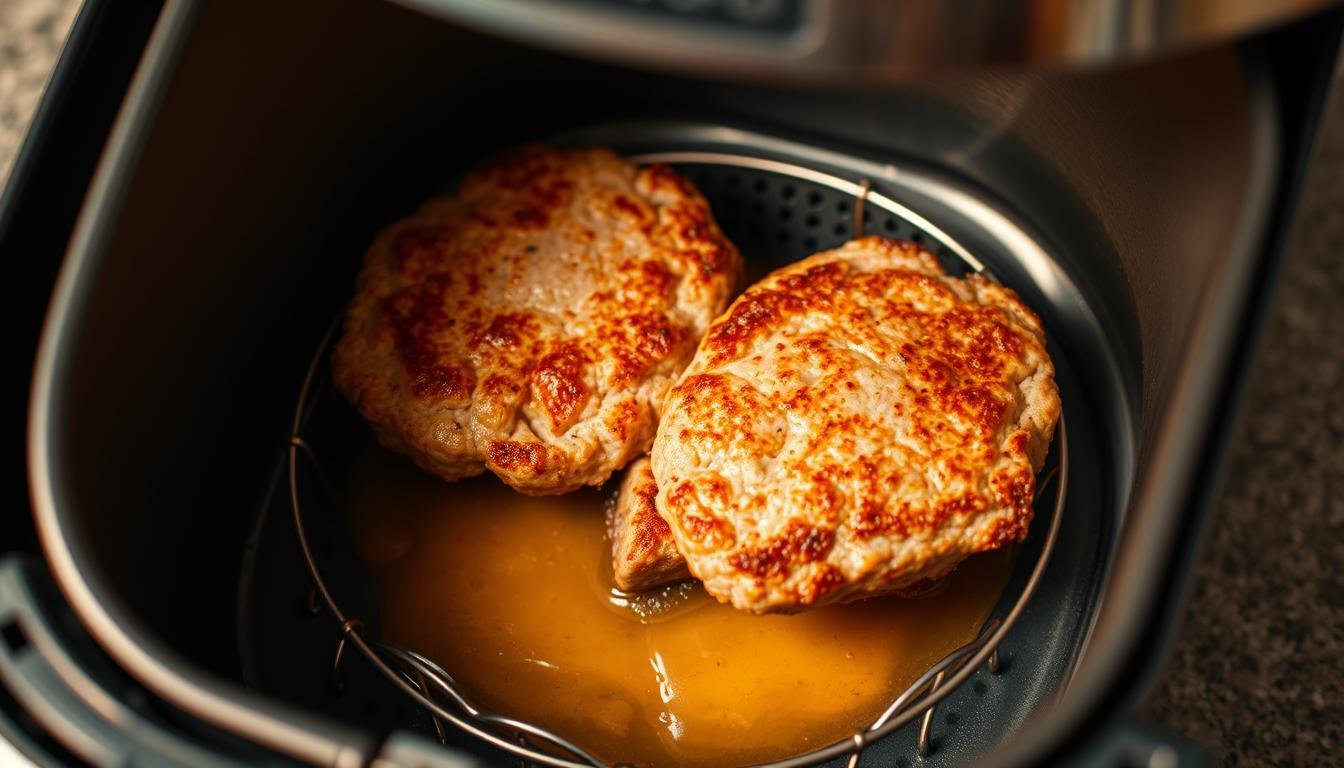


That rack lets hot air hit all sides, like a tiny convection setup. Use it when you want extra crisp without flipping every minute.
Light oil spritzing for crisp without deep frying
A quick spritz of oil gives shine and browning. Just a little goes a long way — don’t soak the food.
Avoid overcrowding: why a single layer matters
Spread pieces in a single layer and leave breathing room. Crowding traps moisture and kills crisp.
- Shake the basket for small bits; flip larger pieces with tongs.
- Plan minutes and batches so everything lands hot.
- Wipe the drawer after use and line trays if allowed for easy cleanup.
“A little lift, a light spray, and one single layer — that’s the short recipe for steady crunch.”
Converting specific foods and recipes
Here’s how simple tweaks turn frozen snacks and pantry staples into crispy wins on busy nights.
Frozen favorites: fries, nuggets, and veggies
Frozen snacks shine in a small basket. Drop temp about 15–20°C and trim minutes by ~20%. Start checking a few minutes early.
Salt fries after cooking. Shake nuggets once for even browning. Roast veggies in a single layer for crackly edges.
Chicken and other proteins
Give pieces breathing room so fat can render and skin can crisp. Use a digital probe for safe juices.
Try dry rubs on thighs and a light spritz on wings. Tweak minutes if your batch is crowded.
Baked goods and cheesy dishes
Stick with traditional oven recipes for tall cakes and very cheesy casseroles. Big pans need steady heat and gentle rise.
- Season smart: salt after frying for fries; rub chicken before cooking.
- Use these recipe notes as starting points—peek early and add a minute if needed.
“Give things room and an early check—that little habit saves supper every time.”
Troubleshooting and safety checks during air fryer cooking
If your batch comes out patchy, don’t fret — small tweaks fix most uneven browning fast. Patchy color or one-side crispier usually means crowded food or a hot spot. Give pieces room and plan a halftime check.
Hot spots, uneven browning, and when to shake or flip
Watch for patchy color and crisp on just one side. Pause at the midpoint and shake or flip smaller bits. Big pieces need tongs and a gentle turn.
A dab of oil on pale spots helps browning — mist, don’t drown. If a tray is packed, split it into another batch for steady results.
Cook thoroughly: internal temperatures and visual cues
Make sure foods reach safe internal temperatures. Use a digital probe for meats and dense pieces. Look for clear juices, set centers, and no raw sheen.
Start checking minutes early. It’s easier to add a minute than to rescue overbrowned bits. When thicker pieces lag, nudge time up a little and lower the temperature a smidge for even finish.
“Use the general rule as your compass — then trust your eyes and a thermometer as the real guide.”
- Spot hot spots by uneven color — shake or flip at halftime.
- Space items so hot air moves freely; overcrowding traps steam.
- Check minutes early; add gentle resets: lower temp, add a minute, shake again.
- Always confirm safe temperatures with a digital thermometer before plating.
Conclusion
Let’s wrap this up with the simple steps that make crisp, juicy plates every time. Drop temps about 15–20°C and trim cooking time by roughly 20%, then peek a few minutes early. That habit keeps food safe and tasty.
Keep the fryer conversion chart handy and use the basket for extra crunch. Spread food in a single layer, flip or shake halfway, and use a thermometer for chicken and dense pieces.
Try a few air fryer recipes and convert favorite oven recipes slowly. Little tweaks—light oil spritz, proper temperatures, and a second batch when needed—will earn you big praise at the table. We’re cheering you on—cook with heart and enjoy every bite tonight!
FAQ
What’s the simple rule of thumb for converting conventional oven recipes for use in an air cooker?
Why does food finish faster in a compact hot-air unit compared with a regular convection range?
Do we need to preheat before putting food in the basket?
How much oil should we use for crispy results without deep frying?
Can we convert baking recipes like cakes or bread for this method?
What about frozen packaged foods — do they need different timing?
How do we ensure chicken and other proteins reach safe internal temperatures?
Why does food sometimes brown unevenly or show hot spots?
Are there times we should stick with a conventional range instead?
How do we adapt cooking times when using a wire rack or multiple racks?
What’s the best way to crisp fries and veggies without overcrowding?
Can we follow packaged recipe temperatures exactly in this appliance?
How often should we flip or shake food while cooking?
Any tips for cleanup and keeping the basket working great?
About The Author