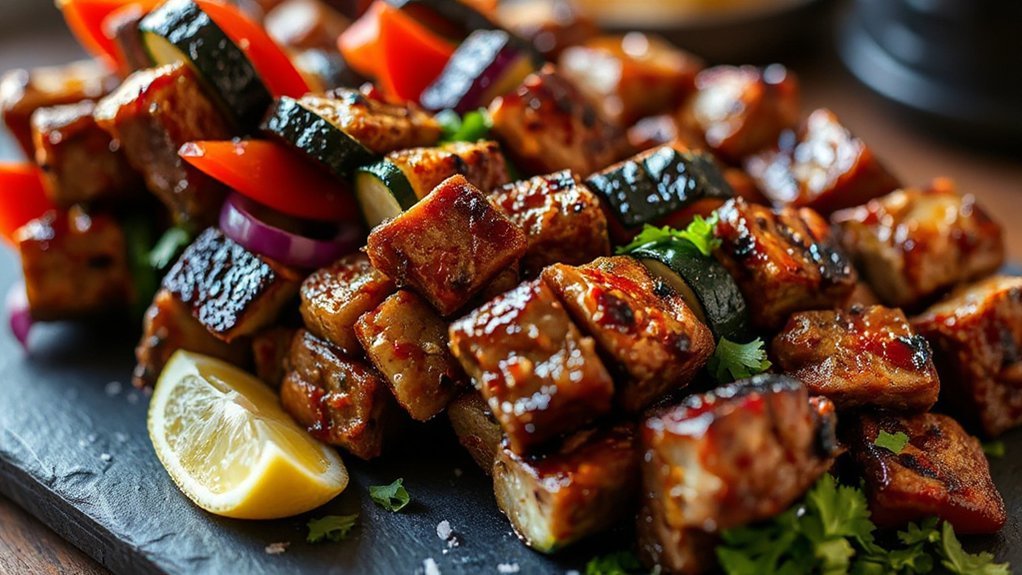
You can turn pork steaks into juicy, caramelized BBQ winners in 20 minutes. Use trimmed blade or loin steaks, pat dry, season with salt, pepper, smoked paprika and brown sugar, then spritz oil for a crisp crust. Air fry at 400°F, flip once, brush sauce during the last few minutes. Rest five minutes, slice against the grain, and serve with slaw or potatoes, and budget swaps too—keep going for full tips, timings, and sauce variations.
Why Air Fryers Work for Pork Steaks
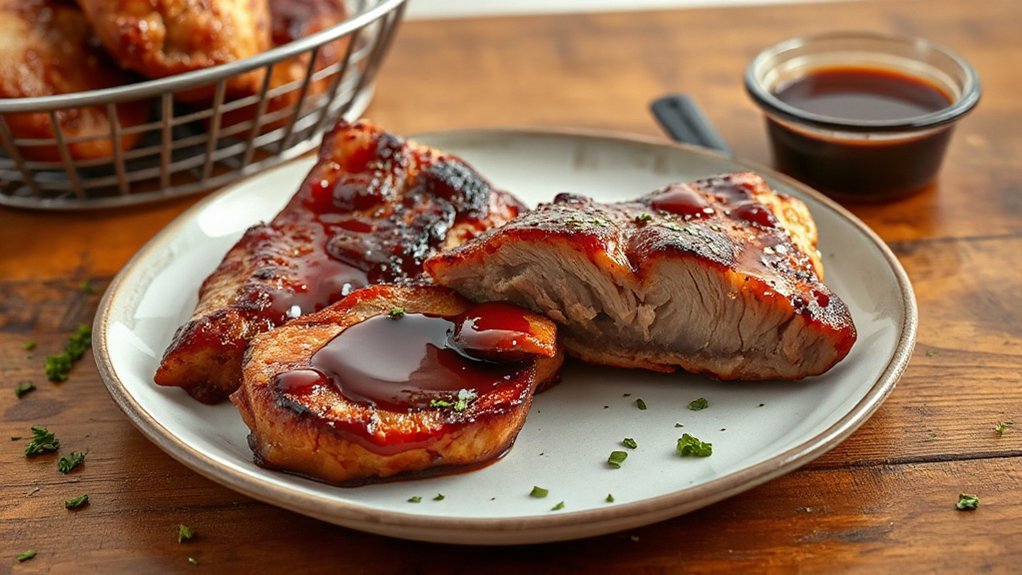
Want a quick way to get a juicy interior with a nicely browned crust? You’ll love how an air fryer uses Rapid Circulation of hot air to crisp surfaces while keeping the inside tender. Because heat moves fast and evenly, you don’t overcook edges while chasing center doneness. Shorter cook times mean less moisture loss, and a thin oil spritz gives you Maillard browning without deep frying. The basket design promotes airflow around each steak so both sides brown without flipping obsessively, and temperature control keeps results consistent. You’ll also appreciate the Energy Efficiency: air fryers reach cooking temps quickly and use less power than a full-size oven for modest portions, so you save time and utility bills. Cleanup’s simpler, too—no big pans slicked with fat. In short, an air fryer gives you consistent sear, juicy interior, and efficient cooking that fits weeknight rhythms. You’ll get restaurant results.
What Cut to Choose and How to Trim It
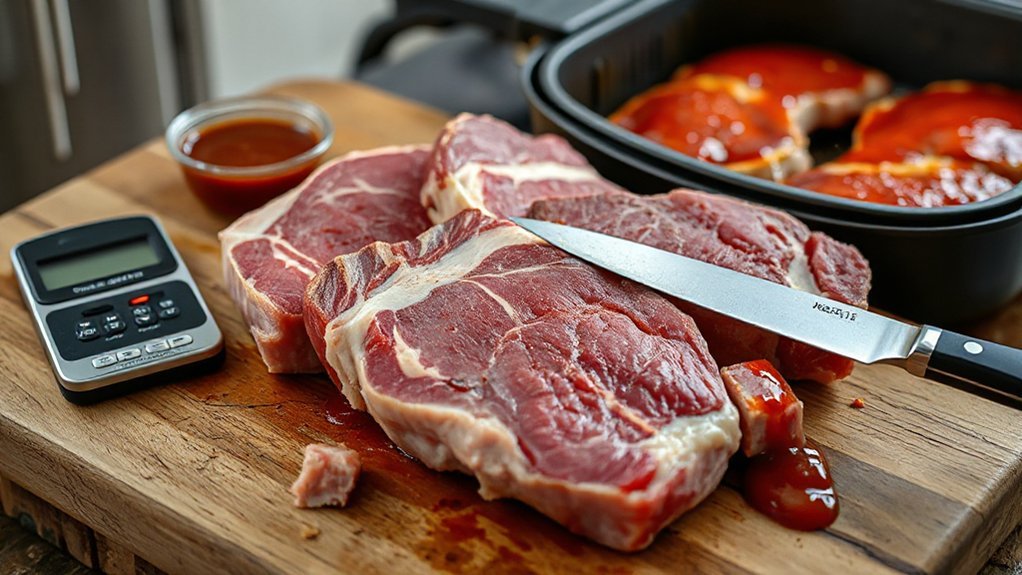
If you’re after the best balance of flavor and forgiveness in the air fryer, pick pork shoulder (blade/Boston butt) steaks or slightly thicker cuts from the loin depending on how lean you want the result. Shoulder gives juiciness thanks to Marbling Importance, while loin keeps things leaner and quicker. Trim excess outer fat but keep some for flavor. Use a sharp knife to do Silverskin Removal on loin cuts so they don’t curl or stay tough.
| Cut | Trim Tip |
|---|---|
| Shoulder | Leave thin fat cap, trim excess |
| Loin | Remove silverskin, thin fat left |
| Rib/Center-Cut | Trim to even thickness |
| Thick-Cut | Butterfly or pound for even cook |
Aim for even thickness so the air fryer cooks uniformly. You’ll get juicy, forgiving steaks if you balance fat retention and clean trimming—simple, fast, and reliable and easy.
Pantry-Friendly Ingredients and Substitutions

Although you might not have a full spice rack, you can build killer rubs and marinades from pantry basics you already have: salt, black pepper, garlic and onion powder, smoked paprika, and a pinch of brown sugar or instant coffee for depth. Use dried herbs like oregano or thyme if you want an herby vibe, and swap chili flakes for cayenne when heat’s needed. For tenderizing, plain yogurt or a little cider vinegar works in place of commercial tenderizers. If you’re low on oil, applesauce or mashed banana add moisture in a pinch for recipes. Keep simple pantry organization — clear bins and labeled jars — so you’ll grab what you need fast. Do expiration tracking every few months: spices lose punch but won’t hurt you, so replace when dull. With smart swaps and tidy storage, you’ll turn basic staples into bold fresh pork steak flavor without shopping.
Quick Homemade BBQ Sauce (Base Recipe)
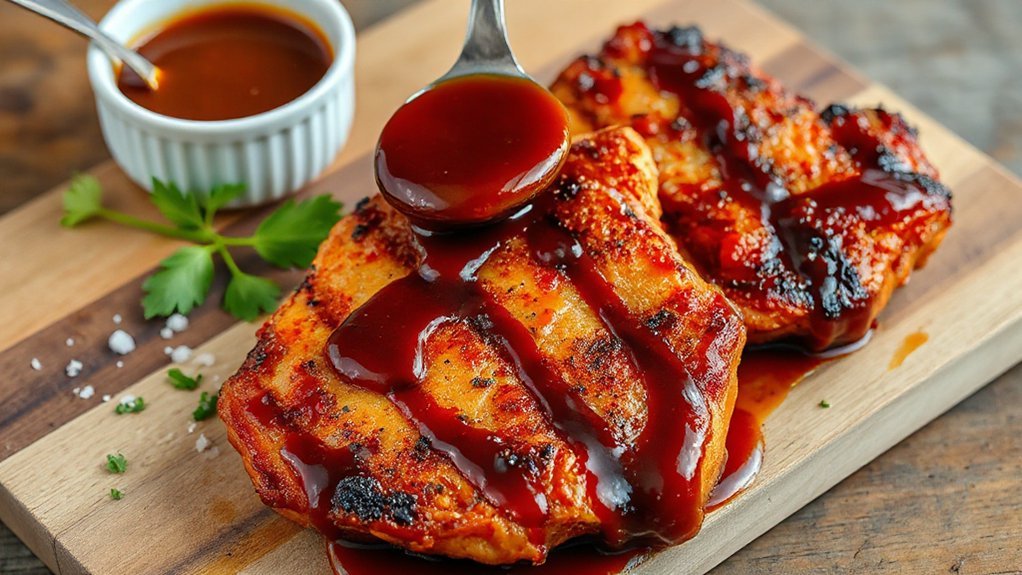
You’ll grab pantry staples—ketchup, brown sugar, vinegar, Worcestershire, and a few spices—to make a tangy-sweet base. Whisk them in a saucepan, simmer a few minutes to meld flavors, and taste-adjust for heat or sweetness. Cool, jar, refrigerate for up to two weeks (or freeze portions) and brush or serve alongside your air-fried pork steaks.
Essential Ingredients
Every great sauce starts with a few simple, high-quality ingredients you probably already have on hand: ketchup, brown sugar, vinegar, mustard, and a touch of Worcestershire or soy for depth. You’ll also want garlic powder, smoked paprika, and a pinch of cayenne if you like heat. Choose a ketchup with straightforward ingredients; good label reading helps you avoid excess additives. Brown sugar balances acidity, while vinegar brightens and mustard adds tang and body. Worcestershire or soy gives savory umami.
Think about shelf stability when storing your batch: sugar and acid help preservation, but refrigerate to keep flavor fresh. Buy quality staples, taste as you go, and adjust salt, sweetness, or heat to match your pork steaks. Keep measurements flexible to suit your taste today.
Simple Preparation Steps
Mixing ketchup, brown sugar, vinegar, mustard, and a splash of Worcestershire in a small saucepan gets you a smooth, balanced base in minutes. Heat over medium, whisk until sugar dissolves and edges bubble, then lower to a simmer. Taste and tweak: add smoked paprika for depth, a dash of hot sauce for kick, or honey for sheen. Keep things tidy—wipe spills and don’t cross-contaminate tools. Safety reminders: use clean utensils, handle hot saucepan carefully, and keep kids away while you stir. You’ll finish with a glossy sauce that clings to pork. Quick steps:
- Combine ingredients in saucepan.
- Whisk and bring to a gentle simmer.
- Adjust seasoning to taste.
- Remove from heat and cool slightly while you glaze.
Follow basic kitchen hygiene for best results.
Storage and Use
Once the sauce cools, pack it into a clean airtight jar and pop it in the fridge—it’ll keep well for about 10–14 days. When you store multiple homemade condiments, use simple labeling systems: date, batch, and heat level on masking tape or a printed sticker. That saves guessing and prevents waste. For freezing, portion into ice cube trays, freeze, then transfer cubes to a freezer bag; label with the date and note “BBQ base” so you don’t mix flavors. Reheat gently on the stove or in the microwave, stirring to restore texture. Keep strong-smelling foods sealed separately and rinse utensils immediately—good odor control prevents your sauce from picking up fridge smells. Use within recommended time for best flavor. Share leftovers within two weeks max.
Flavor Variations: Sweet, Smoky, and Spicy

You can play up sweetness with a sticky honey-mustard or maple–brown sugar glaze that caramelizes beautifully in the air fryer. For smoky character, try smoked paprika, chipotle, or a few drops of liquid smoke paired with a touch of molasses. If you want heat, add cayenne, sriracha, or a chili-garlic paste for a spicy kick that complements the sweet and smoky notes.
Sweet Glaze Ideas
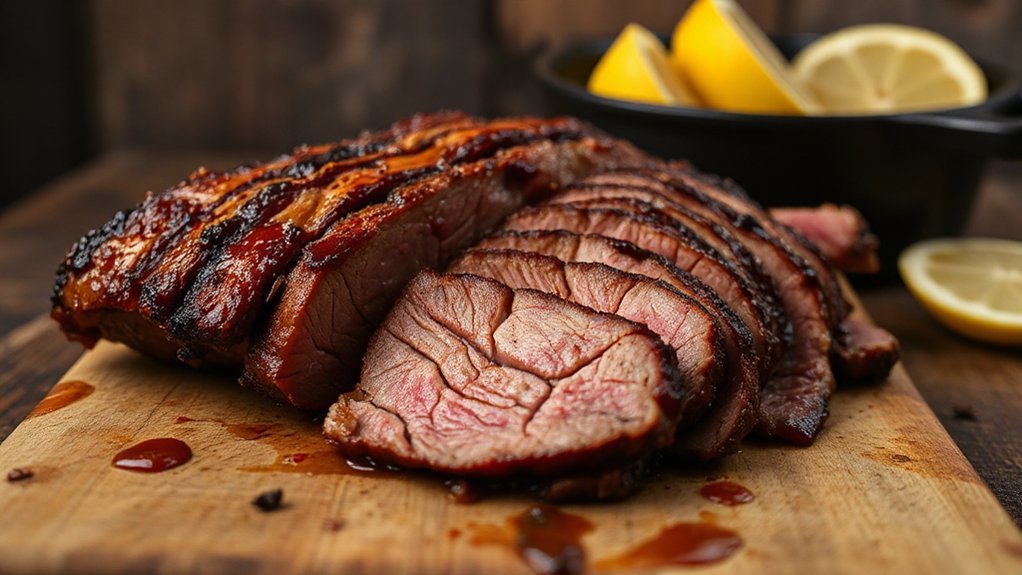
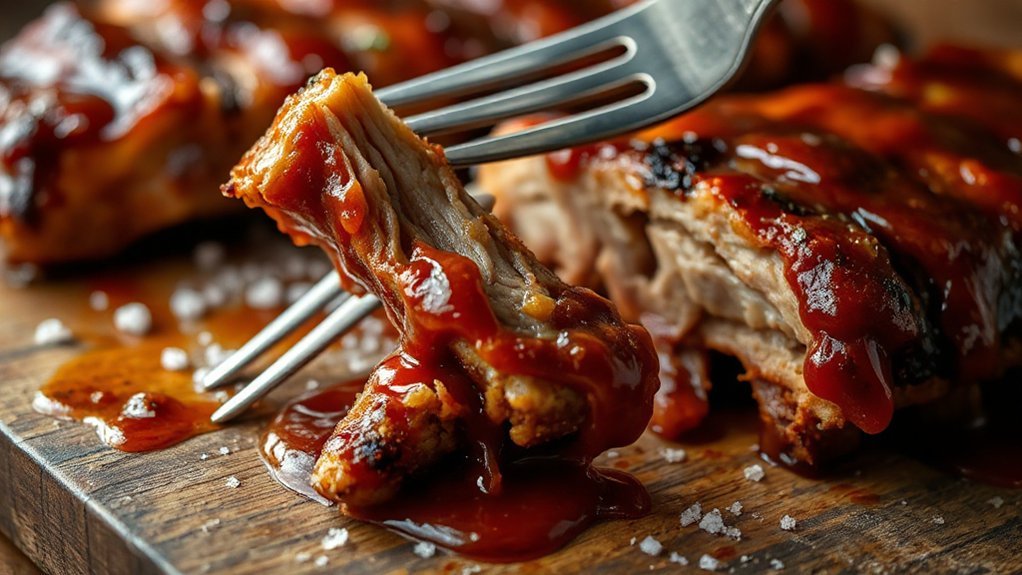
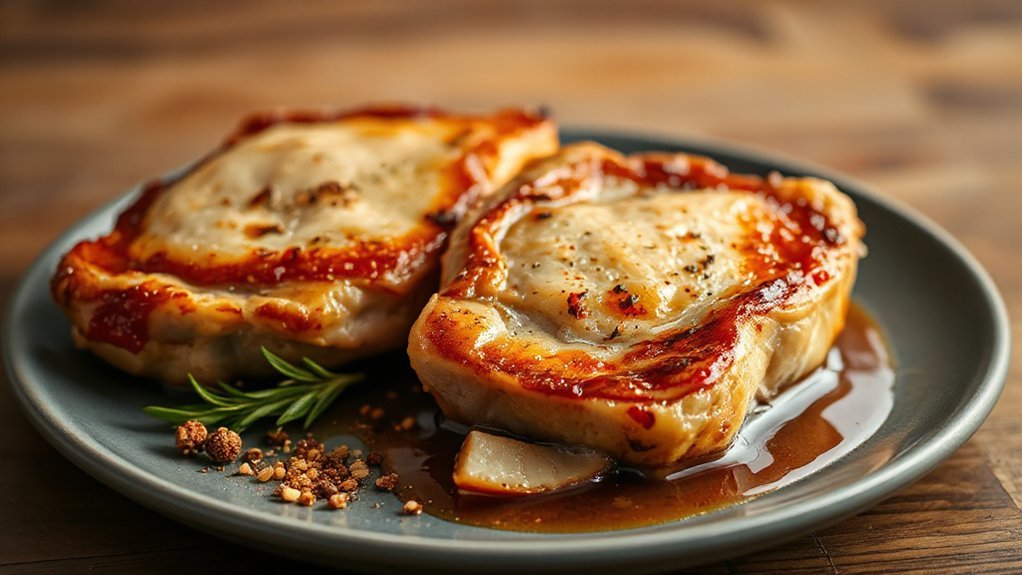
How about a sweet glaze that balances honey or maple with a touch of smoke and heat to make pork steaks sing? You’ll love bright glazes that lean on brown sugar, fruit preserves, or molasses to create glossy, caramelized bites. Think Holiday Pairings and Regional Traditions when you match flavors—cranberry-maple for winter, peach preserves for southern summer. Try these simple combos:
- Honey + Dijon + apple cider
- Maple + soy + brown sugar
- Peach jam + lime + grated ginger
- Cranberry sauce + orange zest + balsamic
Brush generously during the last 3–4 minutes in the air fryer so the sugars caramelize without burning. Serve immediately; the shine and sweet tang will make guests reach for seconds. Pair with simple sides and crisp salad.
Smoky and Spicy Twists
Swap the sticky sweet glaze for smoke and heat, and you’ll unlock bold, savory layers that make pork steaks sing in a different key. Reach for smoked paprika, chipotle, or a touch of liquid smoke, then balance with brown sugar or molasses to keep caramel notes. Rub generously, air fry until edges char, and rest briefly so juices settle.
Think about Regional influences: a Texas-style rub leans dusty and cumin-forward, while a Carolina twist adds mustard and vinegar tang. For serving, suggest Cocktail pairings—like a rye Manhattan with smoky pork or a citrusy gin fizz to cut heat. Try small tweaks to find your favorite spicy-smoky mix. Adjust heat gradually, taste as you go, and remember presentation boosts perceived flavor and enjoyment every time.
Step-by-Step Air Fryer Cooking Method
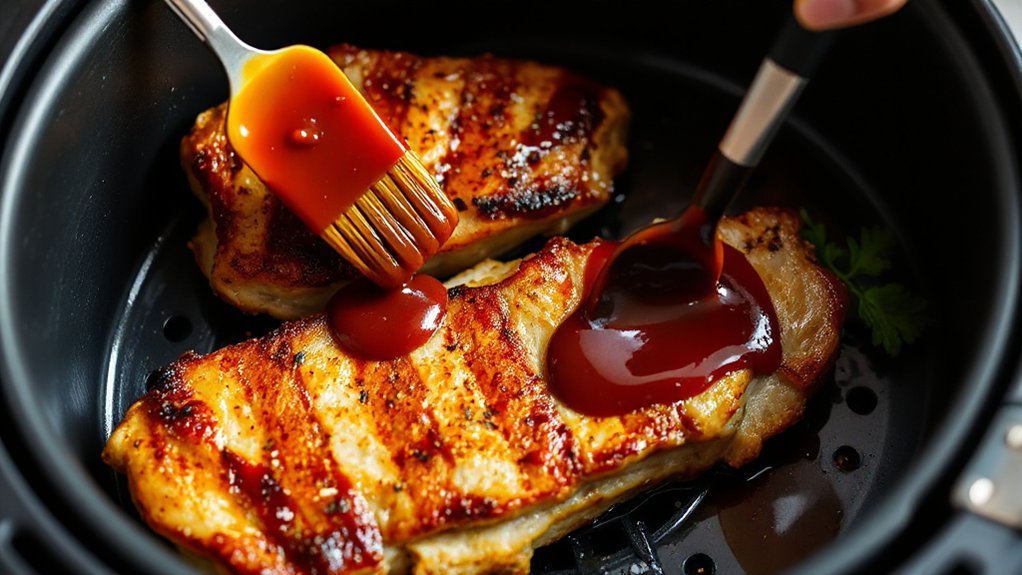
Once the pork’s seasoned and the air fryer’s preheated, you’ll cook the steaks in a few quick stages that lock in juices and build a crisp, caramelized crust. Start by placing steaks in a single layer so airflow optimization keeps them evenly crisped; don’t overcrowd. After the first interval, brush on a thin layer of BBQ sauce to encourage caramelization. Pay attention to flip timing—turn steaks once halfway through to brown both sides without losing juices. Finish with a short rest so flavors settle and juices redistribute.
- Arrange steaks in one layer with space between for even air circulation.
- Cook briefly, then brush a light coat of BBQ sauce for caramel color.
- Flip once at the midpoint to get an even crust on both sides.
- Rest steaks 5 minutes before slicing so juices redistribute and sauce sets.
Serve hot and enjoy that budget-friendly, smoky-sweet satisfaction every single bite.
Temperature, Time, and Doneness Guide

Now that the steaks have rested and the sauce has set, you’ll want clear targets for temperature and timing so every batch comes out how you like it. For medium pork, aim for an internal temperature of 145°F (63°C) and remove steaks about 2–3°F lower to allow for carryover cooking. If you prefer slightly firmer meat, target 150°F, and for well-done push to 160°F, remembering carryover cooking will add a few degrees. Use a reliable instant-read thermometer or leave a probe in during the last minutes; correct probe placement matters — insert into the thickest part without touching bone or pan. In a 400°F air fryer expect 10–14 minutes for 1-inch steaks, flipping halfway and checking temps early. Thicker cuts need more time; thinner ones less. Rest steaks 5 minutes after cooking so juices redistribute. Trust temperature over time and you’ll nail doneness every time. Enjoy perfectly cooked steaks.
Tips for Juicy, Caramelized Edges
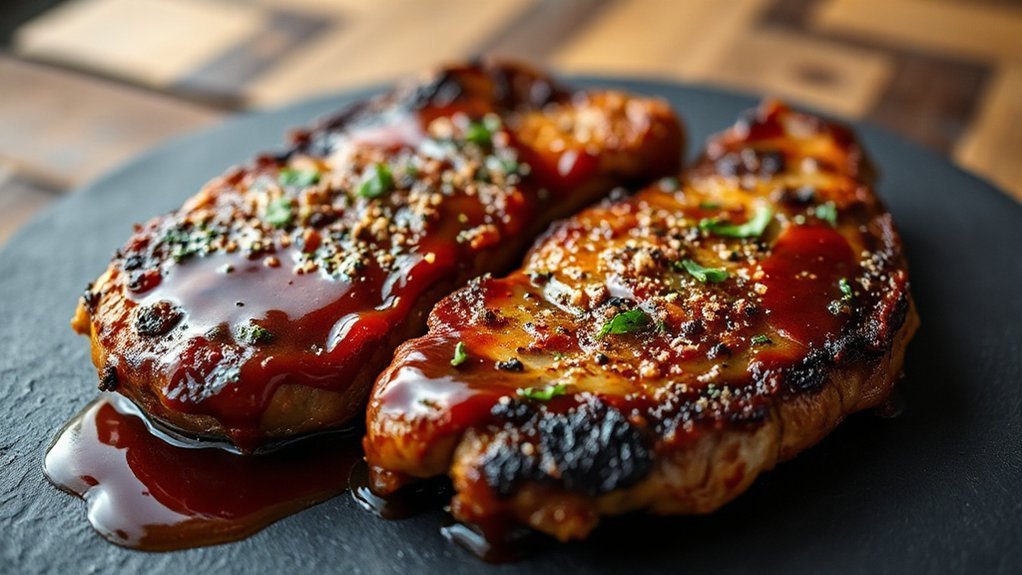
Getting juicy, caramelized edges on pork steaks is all about building a flavorful crust without drying the interior. You’ll want to control brine timing — short so it seasons, long enough to tenderize, typically 30–60 minutes for budget pork — then pat dry thoroughly. Use Browning agents like a touch of brown sugar, paprika, or a light spray of oil to encourage Maillard color. Preheat the air fryer and dry the surface; moisture kills crust. Toward the end, baste with barbecue sauce sparingly to avoid burning.
- Score fat lightly for even rendering.
- Dry-brine or wet-brine? Choose based on time.
- Apply a thin layer of browning agents and oil.
- Flip once late; finish with a quick high-temp blast.
Trust these steps and you’ll get crisp, caramelized edges and a juicy center every time. Don’t overcook; pull at 145°F and tent briefly so carryover keeps it tender. Slice against grain.
Side Dishes and Serving Suggestions
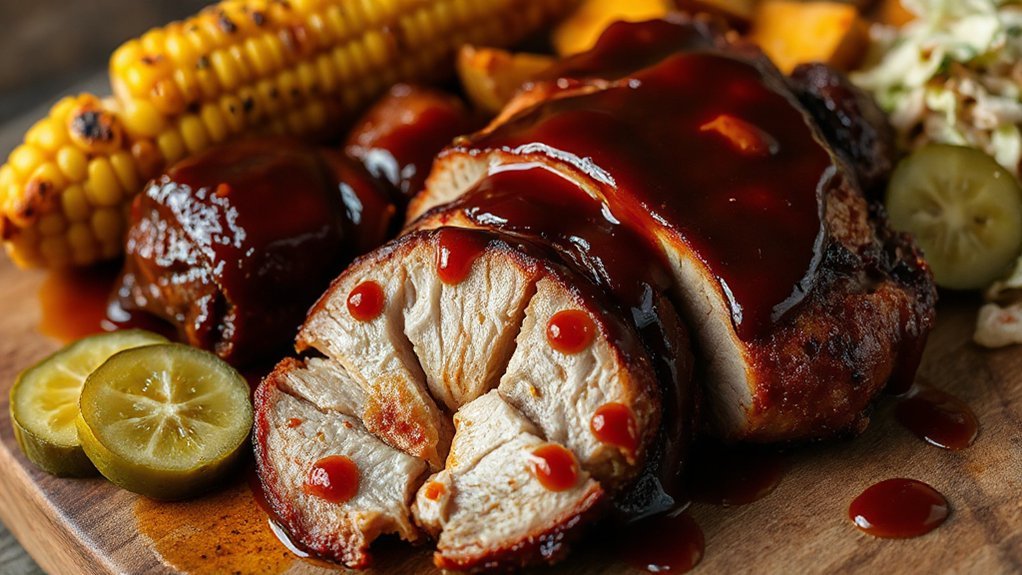
Pairing pork steaks is all about balance—think a hearty starch, a bright vegetable, and a tangy element to cut the richness. Serve slices over a buttered cornbread skillet to soak up BBQ sauce; the sweet, crumbly base complements smoky meat. Add a crisp citrus slaw—thinly sliced cabbage, orange segments, and a light vinaigrette—for acidity and crunch.
Round it out with simple roasted potatoes or garlic mashed cauliflower if you want lower carbs. Grill or pan-sear quick asparagus or green beans tossed with lemon zest for a fresh counterpoint. Offer pickled red onions or jalapeños for optional heat and brightness.
For sauces, put extra BBQ and a vinegar-based mop on the side so guests can adjust intensity. Plate with fresh herbs—parsley or cilantro—and a wedge of lime. You’ll feed a crowd without fuss, and each bite will contrast richness, brightness, and texture. Enjoy family-style servings and lively conversations together.
Make-Ahead, Storage, and Reheating Instructions
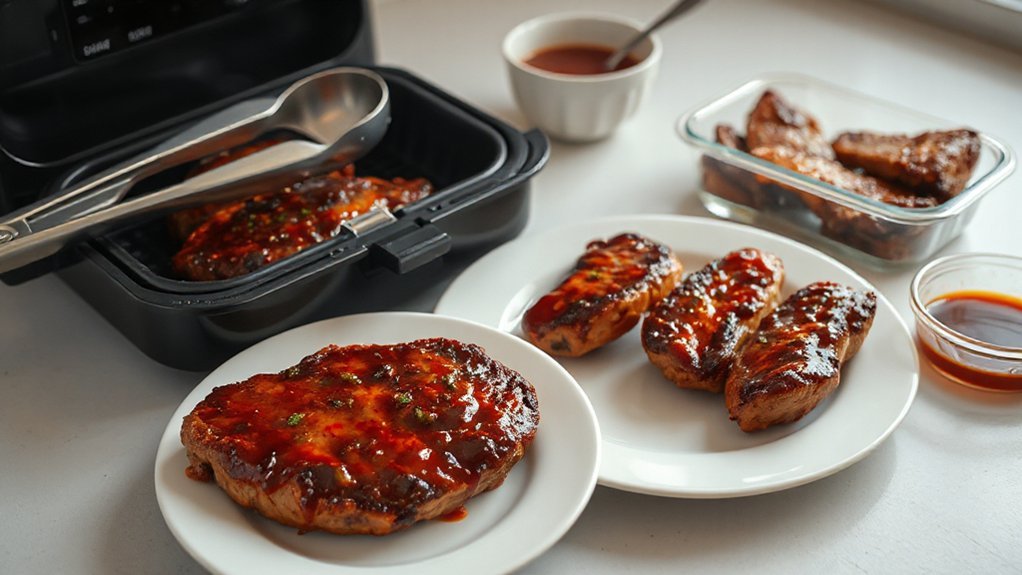
You can prep these pork steaks ahead by seasoning and storing them in the fridge for up to 24 hours to let the flavors meld. Cooked steaks keep well in airtight containers in the refrigerator for 3–4 days, or you can freeze portions for up to 3 months. When reheating, thaw frozen steaks overnight in the fridge and reheat in the air fryer at 350°F for 5–7 minutes to crisp the outside without drying the meat.
Make-Ahead Planning
If you’re prepping ahead, these air fryer pork steaks hold up really well and save you time on busy nights. Use a simple timeline checklist and a shopping schedule to batch tasks: marinate earlier, portion, and label. Plan when you’ll cook and reheat so dinner’s seamless. If you’re short on time, toss steaks in the bag, use a store-bought sauce, and double the batch so you only cook once; jot reheating times on the label.
- Marinate steaks 2–4 hours or overnight.
- Portion into meal-size packs and label with date.
- Chill fully before reheating to keep texture.
- Reheat in the air fryer at 350°F for 6–8 minutes, brushing with sauce.
You’ll love how prep reduces stress and lets you enjoy a quick, flavorful weeknight meal.
Storage and Freezing
After prepping and portioning, pack cooled pork steaks into airtight containers or heavy-duty freezer bags, squeeze out excess air (or use a vacuum sealer), and label each pack with the date and reheating instructions. Chill in the fridge up to 3 days, or freeze up to 3 months; for best texture, flash-freeze on a tray, add an ice glaze to prevent freezer burn, then bag. For odor control, wrap tightly and keep marinades sealed separately. Thaw overnight in the fridge or use defrost on low. Reheat in the air fryer at 350°F for 6–8 minutes, flipping once, until warmed through. Use the quick table below.
| Storage | Time | Tip |
|---|---|---|
| Fridge | 3 days | Keep sealed |
| Freezer | 3 months | Ice glaze |
| Reheat | 6–8 min | Odor control: seal |
Conclusion
You’re ready to make weeknight dinners exciting without breaking the bank. With an air fryer and simple pantry staples, you’ll get juicy, caramelized pork steaks and a killer homemade BBQ sauce in minutes. Try the sweet, smoky, or spicy twist that suits your mood—you get out what you put in. Keep the tips handy, experiment boldly, and serve with easy sides; you’ll be surprised how often this becomes your go-to meal soon and impress guests.
About The Author