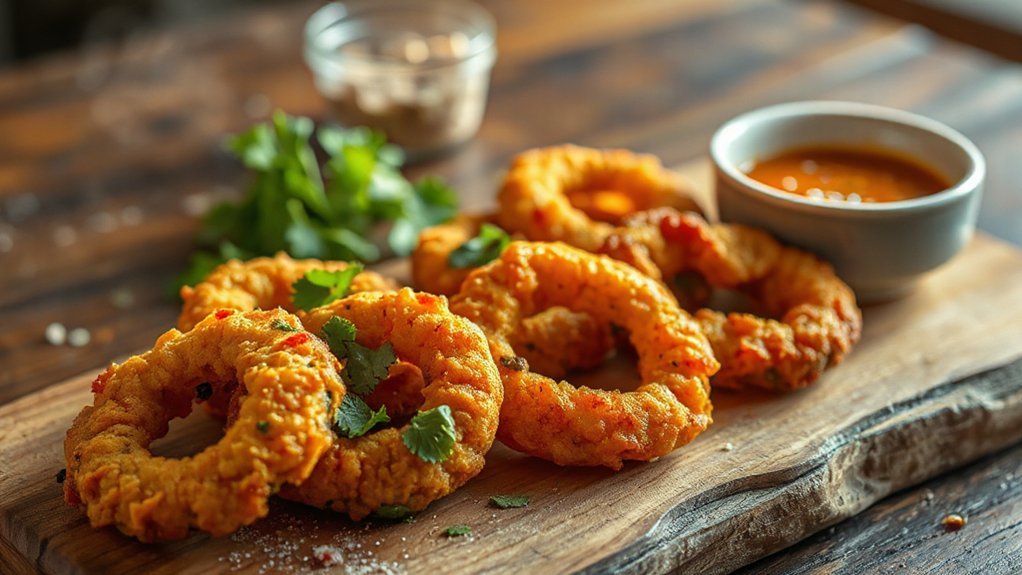
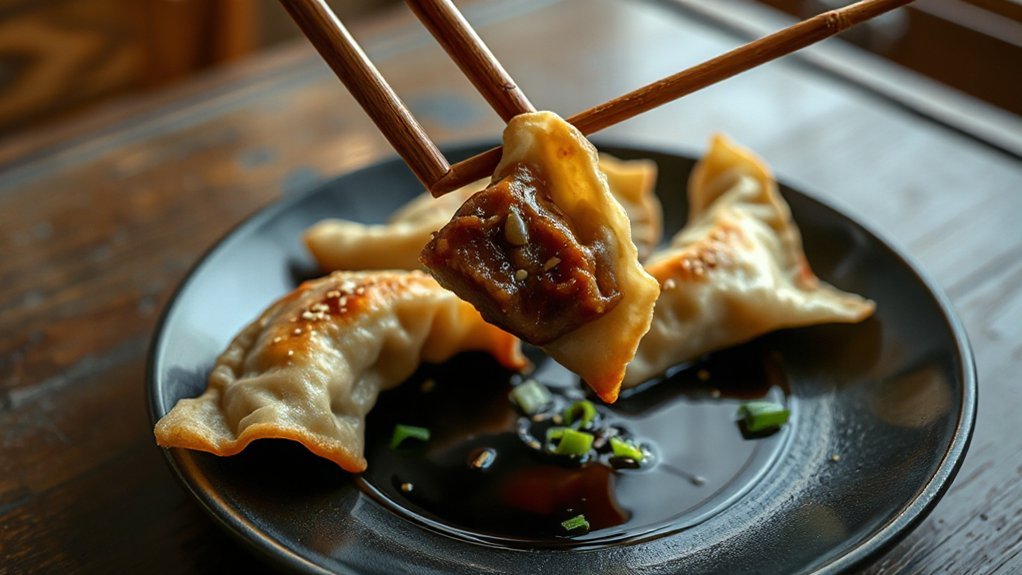
Welcome, y’all! We’re here to make converting oven recipes into quicker, crispier results a breeze.
Short version: hot air swirls fast, so drop oven temp about 25°F and shave roughly 20% off the time. That’s the general rule thumb we lean on—simple and reliable.
We’ll walk you through friendly steps and quick math. You’ll learn when to nudge minutes or raise temp a tad for thicker cuts and when to leave tender veggies alone.
Safety first: always check that your food is cooked through, not just browned on top. We’ll cover crowded baskets, real-world tweaks, and fast weekday tips.
Key Takeaways
- Reduce oven temp by about 25°F and time by ~20% as a starting point.
- Use short tests and a thermometer to ensure safe doneness.
- Tweak for thickness, crowding, and recipe type—one size rarely fits all.
- Keep a simple conversion note for favorite recipes you make often.
- We’ll give clear examples so you can tweak confidently and enjoy better results.
Why air fryer conversions matter right now
These days, converting oven directions for a smaller countertop unit is one of the smartest kitchen moves. We cook fast. We want less waste. And we sure don’t want the whole house heating up on hot nights.

Packaging usually lists only conventional oven temps and minutes. That leaves you guessin’ unless you know how to tweak temperature and time for a smaller basket. Learning a simple conversion saves energy and makes weeknight meals easier.
Compared to a conventional oven, a compact unit’s hot circulation cooks more efficiently. That means shorter minutes, crisper edges, and juicy centers when you do it right.
- Faster cooking: less waiting, more supper on the table.
- Energy savings: lower cost than running a big oven.
- Same recipes, new math: keep flavors—just adjust temperature and minutes.
“Master a few tweaks and you’ll reheat leftovers crispy without the sog—and keep favorite recipes rolling.”
| Feature | Conventional oven | Compact basket unit |
|---|---|---|
| Average cook time | Longer (standard minutes) | Shorter (fewer minutes) |
| Energy use | Higher | Lower |
| Texture control | Good | Excellent crisp with right temperature |
| Recipe labels | Commonly listed | Often missing—needs conversion |
Understanding oven-to-air fryer conversion basics
A smaller cooking chamber means heat hugs food—so recipes need a little less time and lower temp. We’ll keep this simple and friendly. Short checks win the day.
How cooking compares to a conventional oven and convection oven
Think of the unit as a compact convection model. Hot air moves faster in a tight space. That gives crisp edges and even browning in fewer minutes.
The general rule thumb: reduce temperature and cooking time
Quick rule: drop about 25°F and shave roughly 20% off the listed cooking time. Try that as a starting point, then tweak for thickness and moisture.
Model differences and why you must verify doneness
Every model runs a bit different—some heat hotter, some milder. We peek early and use a thermometer.
- Leave space for airflow—don’t crowd the basket.
- Flip or shake when recipes are wet or battered.
- Use visual cues, but make sure internal temps reach safe levels.
| Feature | Conventional oven | Compact unit |
|---|---|---|
| Heat movement | Slower, static | Rapid circulation |
| Suggested temp change | Use recipe temps | ~25°F lower |
| Typical time | Longer minutes | ~20% less time |
| Best check method | Visual + probe | Probe + peek early |
How to use air fryer conversions step by step
Let’s break the swap down into clear, kitchen-friendly steps so you can set temps and minutes with confidence. Start simple and check early—small tweaks save guesswork.

Reduce oven temperature by about 25°F (15–20°C)
For most oven recipes, drop the listed temperature by roughly 25°F (about 15–20°C) when you set your unit. Preheat the basket if your model calls for it. That lower setting helps brown without burning.
Cut oven cooking time by roughly 20% and watch food
Trim time by about 20%. For example: 60 minutes in an oven becomes about 48 minutes in the compact unit. Check early—some recipes finish faster than math predicts.
Adjust for portion size, load, and oil
- Spread foods in a single layer—crowded baskets need extra minutes.
- Bigger portions or thick cuts? Split batches or slice thinner.
- Lightly spritz a bit of oil for better browning. If a recipe uses lots of sauce, ease up on oil so crisping isn’t delayed.
- Shake or flip mid-cook for even color, and use a quick-read thermometer to confirm doneness.
Tip: Keep a simple note for favorite recipes—your notes will speed future fryer conversion and make weeknight cooking a breeze!
Oven to air fryer conversion chart and temperature guide
Let’s keep a handy chart nearby so you can set temps and minutes in a snap. Below is a quick, practical guide you can use when moving recipes from a conventional oven to a compact basket unit.

Quick reference in Fahrenheit: temperature and time adjustments
Rule of thumb: reduce oven temperature by about 25°F and trim cooking time by roughly 20%.
- Example: 375°F oven ≈ 350°F in the basket; cut minutes by one-fifth.
- If unsure, set timer a few minutes earlier and peek—small checks beat overcooking.
- Use a thermometer for proteins to make sure food is safe and juicy.
Quick reference in Celsius: temperature and time adjustments
Quick rule: drop about 15–20°C and reduce minutes by 20%.
- Example: 175°C for 30 minutes → ~165°C for 24 minutes.
- Example: 205°C for 15 minutes → ~190°C for 12 minutes.
- Convection oven settings may need smaller tweaks—watch closely the first time.
“These chart rules are quick helpers—model differences and basket loads can nudge cooking time up or down.”
| Oven temp | Oven minutes | Basket temp | Basket minutes (approx.) |
|---|---|---|---|
| 375°F | 40 | 350°F | 32 |
| 400°F | 20 | 375°F | 16 |
| 175°C | 30 | 165°C | 24 |
| 205°C | 15 | 190°C | 12 |
Use this chart as a starting point. Adjust for load, sauce, and thickness. And remember—we always check doneness so our food stays tasty and safe.
Air fryer conversions: real-world examples and times
Here are real, kitchen-tested swaps so you can hit golden results without guesswork.

Quick examples make it easy to set temps and watch minutes. Try these as starting points and check early.
From 375°F for 30 minutes in the oven to air fryer settings
Oven recipe says 375°F for 30 minutes—set air fryer around 350°F and start checking at about 22 minutes. Most batches land near 24 minutes depending on basket load and thickness.
From 190°C for 20 minutes in the oven to air fryer settings
For 190°C at 20 minutes, set the unit to about 175°C and peek near minute 14. Many cooks see a finish near 16 minutes.
- If a recipe lists 205°C (400°F) for 15 minutes, aim near 190°C (375°F) for about 12 minutes, then adjust a minute or two.
- Thicker cuts, like bone-in chicken, may need extra minutes; thin foods often beat the estimate.
- Shake or flip halfway so edges don’t outrun centers—airflow keeps things even.
- Light oil spritz on breaded foods helps crisp in the last few minutes.
- Set timers in short bursts if unsure—little check-ins save supper. And always use a quick-read thermometer to verify doneness.
“These are solid starting points — different models and fuller baskets can nudge time by a couple minutes.”
| Oven setting | Oven minutes | Suggested unit temp | Approx. minutes |
|---|---|---|---|
| 375°F | 30 | 350°F | 22–24 |
| 190°C | 20 | 175°C | 14–16 |
| 205°C / 400°F | 15 | 190°C / 375°F | 11–13 |
Tools that simplify conversion: chart, calculator, and timer
With the right helpers, you’ll hit the right temperature and minutes every time. We lean on simple tools so dinner isn’t a guessing game. Small gadgets and quick references save time and fuss.
When to rely on a chart vs. a calculator
Use a quick chart when you want fast numbers for everyday recipes. A conversion chart gives immediate temps and minutes for common swaps. It’s perfect for weeknight meals and staples we make often.


Reach for a fryer conversion calculator when recipes are thick, saucy, or one-off. Calculators run more detailed formulas and fine-tune minutes and temps. That extra math can save you from overcooking dense pieces.
Set your unit: temperature, minutes, and mid-cook checks
- Set the converted temp and minutes on your device, then start the timer a couple minutes early so you can eye the color and texture.
- Schedule a halfway pause to shake or flip—mid-cook checks keep browning even.
- Group items by size when converting oven air fryer recipes in bulk so your minutes line up better.
- Pair tools with common sense: jot winning numbers on the recipe and use an instant-read thermometer to make sure food is safe and tender.
“A chart for quick swaps, a calculator for tricky recipes, and a timer for peace of mind.”
Pro tips for using an air fryer like a pro
A few simple habits—space, timing, and a light oil kiss—will level up your cooking fast. We keep this short and useful so you can get dinner done right.
Space and airflow: don’t overcrowd, use a single layer
Give the basket breathing room. Single layers let hot circulation crisp edges instead of steaming them.
Light oil spritzing for crispier results
A tiny sheen of oil helps browning without deep frying. Use just enough so food glows—not so much it pools.
Shake, flip, and keep an eye on food
Flip or shake mid-cook to even out hot spots. Keep eye on color and texture—check a bit early and add minutes if needed.
Make sure food is cooked through
Use a thermometer to confirm safe internal temperatures. That keeps proteins juicy and gives peace of mind.
Tweak times for different foods and thicker recipes
Thicker cuts need extra minutes. Veggies crisp best when dry, lightly oiled, and not crowded. Note what works and repeat it.
“Space, light oil, and a halfway check are our secret trio for spot-on results.”
| Tip | Why it helps | Quick do |
|---|---|---|
| Single layer | Improves airflow and browning | Spread foods, cook in batches |
| Light oil | Boosts crisp without grease | Spritz or toss with 1 tsp oil |
| Mid-cook flip | Evens color and texture | Flip/shake at half time |
Conclusion
Here’s the short version you can tuck in a recipe card and trust.
Drop oven temperature about 25°F (15–20°C) and trim cooking time roughly 20%. Set your air fryer and peek early—small checks beat guesswork every time.
Keep a trusty fryer conversion chart or a quick conversion chart for fast nights, and use a calculator for fussy bakes. Different models run hot or cool, so write down the winning temperature cooking time for each recipe.
Give foods single-layer space, mist lightly with oil, and flip once. Use a thermometer to confirm doneness—safe, juicy results make the best plates.
Go on—set that unit, follow these simple rules, and enjoy the recipes you love. We’re cheering you on!
FAQ
What does “Discover the Secrets of Air Fryer Conversions” mean for home cooks?
Why do these conversions matter right now?
How does air frying compare to a conventional oven or convection oven?
What’s the general rule of thumb for converting oven recipes?
Do different models cook differently? Should we worry about that?
Step by step — how do we convert an oven recipe for the small cooker?
How much should we reduce oven temperature in practice?
How much should we cut cooking time when converting?
How do portion size and basket load affect cooking adjustments?
Should recipes that call for oil be changed for use in the small cooker?
Is there a quick reference chart for temperature and time adjustments in Fahrenheit?
What about Celsius conversions for those who prefer metric?
Can you give real-world example conversions from oven settings?
How do we convert from 190°C oven settings to the small cooker?
When should we use a conversion chart vs. a calculator?
How should we set the small cooker — temp, minutes, and mid-cook checks?
Any pro tips for getting pro-level results at home?
How much space should we leave and why is airflow important?
How does light oil spritzing help without deep frying?
How often should we shake, flip, or check food during cooking?
How do we make sure food is cooked through and safe to eat?
How should we tweak times for different foods and thicker recipes?
About The Author