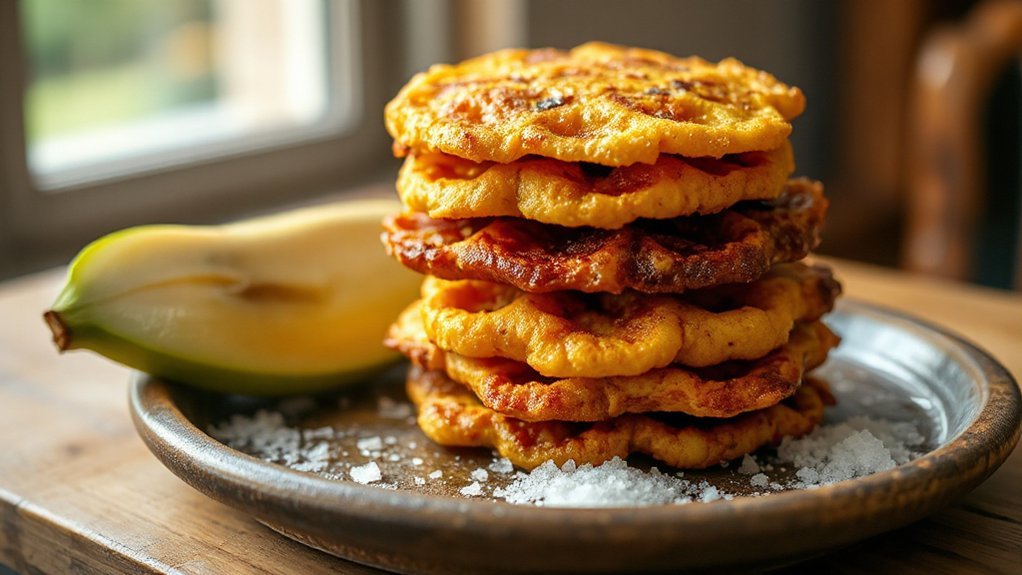
You’ll get fries crisper than deep frying by preheating your air fryer to 400°F, spreading frozen fries in a single layer, and giving them a light oil mist. Shake every 3–5 minutes, use 10–15 minutes for regular cuts and 15–20 for thick ones, then rest briefly so they firm. Season right after cooking with fine salt and toppings. Keep batches small and clean the basket for consistent results—scroll down to pick up extra pro tips.
Why the 2026 Method Outperforms Deep Frying
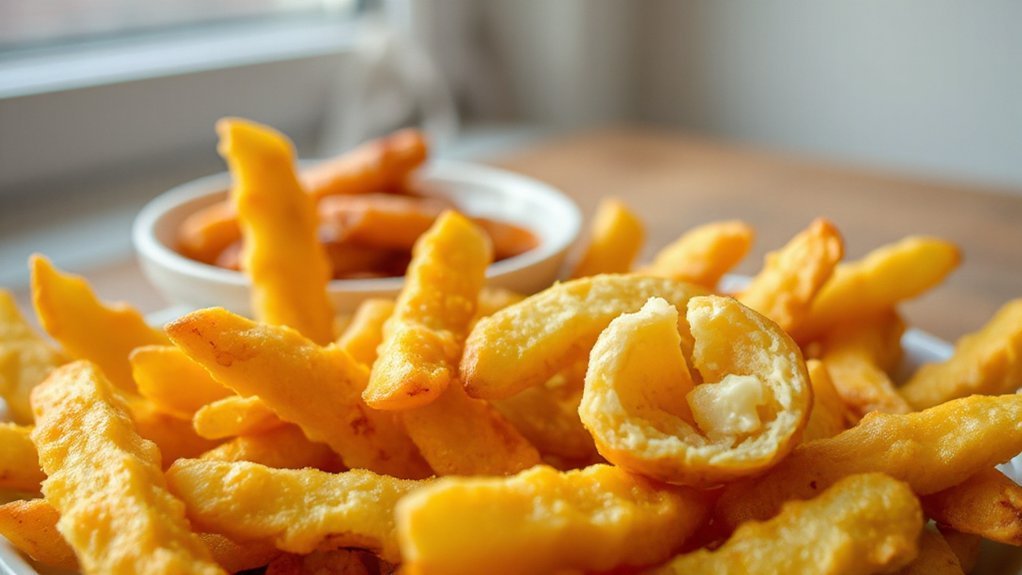
Because you want fries that’re crispy on the outside and fluffy inside without the hassle, the 2026 Method delivers better texture, faster recovery, and more consistent results than deep frying. You’ll notice a crunch that stays, not soggy oil-coated batter, because hot air circulation and precise timing target moisture and starch differently. You get Health benefits too: far less added fat cuts calories and reduces acrylamide risk when you follow the method’s lower peak temperatures. You’ll save money on oil, and cleanup’s a breeze, so you’re less likely to skip homemade fries. The Environmental impact is meaningful—using less oil and energy reduces waste and carbon compared with constantly heating large volumes of oil. You’ll also control portions and seasoning more easily, dialing salt and fat to taste. Overall, you’ll enjoy faster turnaround, cleaner flavor, and a smarter, healthier routine that beats deep frying for everyday fries every time.
Preheat, Load, and Oil: Prep Steps That Matter
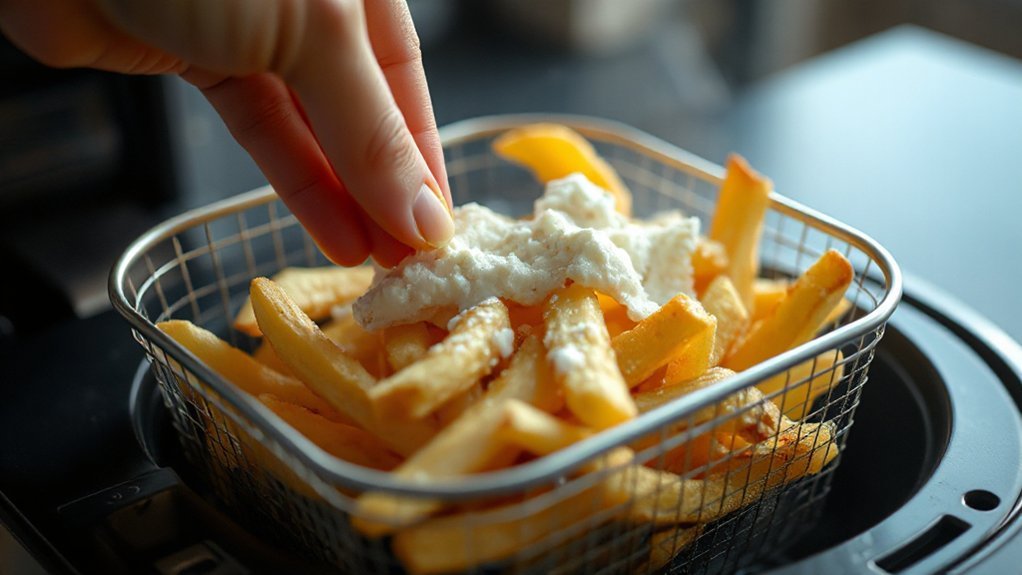
You’ll want to preheat your air fryer to 400°F to get the fries crispy from the moment they hit the basket. Give the frozen fries a light spray of oil so they brown evenly without getting greasy. Load them in a single layer with space to breathe so hot air can work its magic.
Preheat to 400°F
If you want restaurant-crisp fries, preheat your air fryer to 400°F—this jump-starts browning and gives frozen fries a quick, hot blast so they crisp instead of steaming. Get the basket hot for 3 to 5 minutes; you’ll notice fries seize the heat and develop a better crust. Don’t overfill the basket — crowding traps steam and ruins texture. Use oven mitts, watch for hot surfaces, and follow safety precautions in your manual when handling a hot unit. Preheating adds a small bump to energy consumption, but it’s worth the trade for consistent results. Once it’s up to temperature, add fries in a single layer, shake midway, and enjoy fries that pop with golden color and crunch. Serve immediately for peak texture and flavor now.
Light Oil Spray
Once the basket’s sizzling, don’t skip a light spritz of oil—this small move helps fries brown evenly, prevents sticking, and boosts crisp without turning them greasy. You’ll want an even spray pattern so each fry gets a whisper of oil; aim for 8 to 10 inches and a quick pass, rather than drenching. For control, choose a pump or pressurized mister—bottle selection matters: glass misters give fine, consistent clouds; refillable pump sprayers are budget-friendly and durable. Hold back on heavy commercial aerosols that pool oil. Spray before you load or immediately after tossing once in the basket, shaking to coat. That minimal oil jumpstarts Maillard reaction and keeps the interior fluffy while the outside goes perfectly crunchy. You’ll love the extra crunch every time.
Optimal Temperatures and Timing for Perfect Crisp
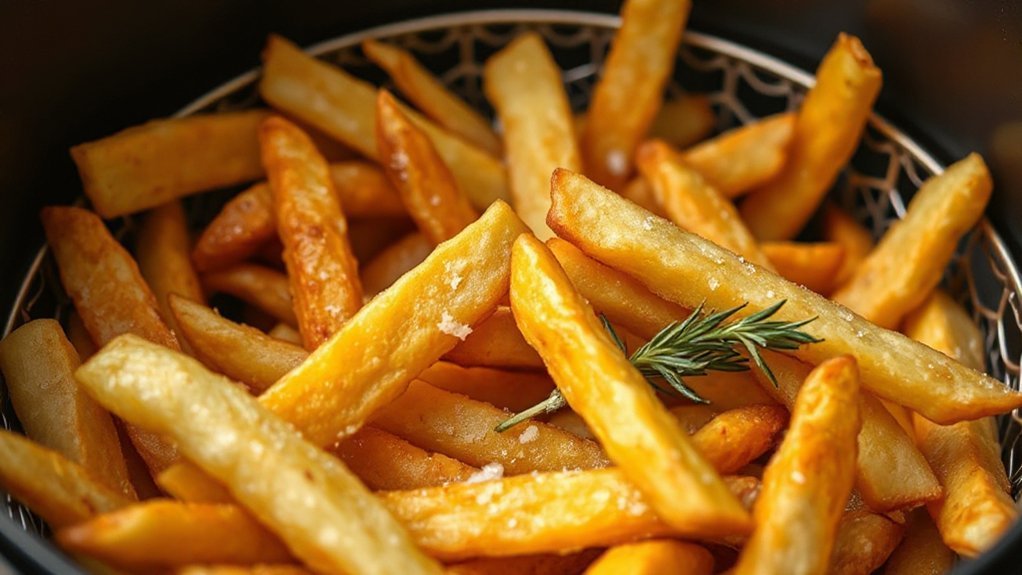

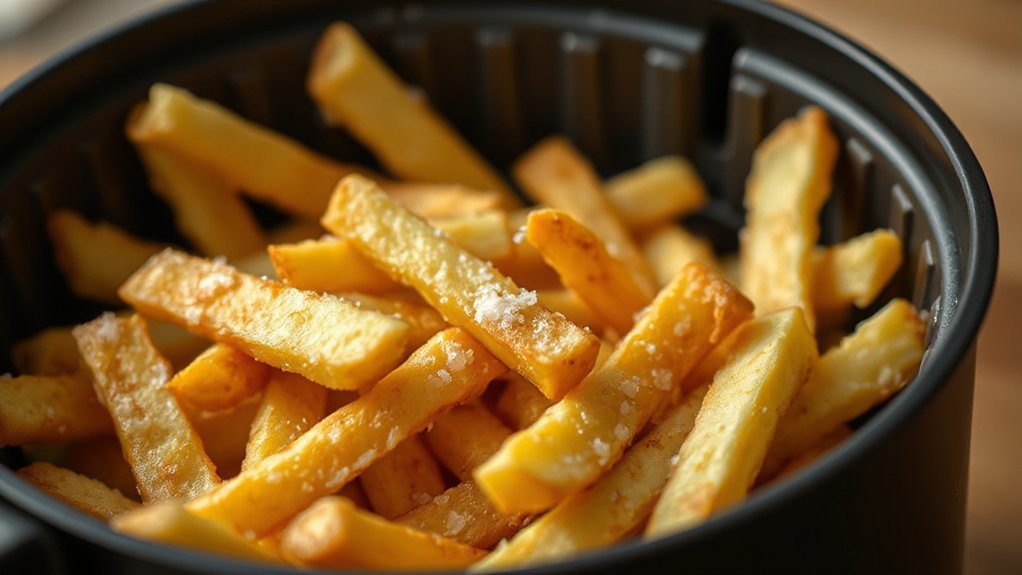
You’ll usually get the best crisp at about 380–400°F, but the exact time depends on thickness. Shoestring fries crisp up in roughly 6–8 minutes, regular fries in 10–15 minutes, and thicker steak-cut pieces in 15–20 minutes—shake or flip the basket every 3–5 minutes for even browning. Let the fries rest 1–2 minutes after cooking so they firm up and stay crisp before you dig in.
Ideal Air Fryer Temperature
How hot should your air fryer be to get fries crispy outside and fluffy inside? You want a hot burst to seal crust, then steady heat to finish. Aim 380–400°F for most frozen fries; lower at high altitude with altitude adjustments and check your temperature calibration if results vary. Don’t pile fries; let airflow do the work. Use this simple guide:
| Setting | Temp (°F) | Result |
|---|---|---|
| Crisp | 400 | Golden exterior |
| Finish | 380 | Tender inside |
Adjust slightly for your model; small tweaks beat guesswork. You’ll get reliable crispiness without deep frying. Try a quick test batch, note results, and refine temp by 5–10°F. Consistent airflow, light oil spray, and single layer placement make the biggest difference for repeatable, perfect fries every time.
Cook Time by Thickness
Different fry thicknesses demand different cook times and small temp tweaks for the same perfect crisp outside and tender inside. You’ll use this practical thickness guide: shoestring fries need three to five minutes at 380°F, standard fries ten to twelve minutes at 400°F, steak-cut fries fourteen to eighteen minutes at 410°F, and thick-cut wedges eighteen to twenty-five minutes at 390 to 400°F. Start low and add short time increments until your preferred bite consistency is reached. Thin fries crisp quickly; thicker pieces need moderate heat longer so centers cook without burnt edges. Treat these times as baselines, tweak for your air fryer model and basket load, and you’ll produce consistent, golden fries every time through simple adjustments to temp and minutes for each batch.
Shake, Flip, Rest Intervals
Now that you’ve dialed in temps and minutes by thickness, getting your shake, flip, and rest rhythm right makes the exterior uniformly golden while the inside stays tender. You’ll set short intervals—think 6–8 minutes at high heat, then a 30–45 second shake—so each pass crisps edges without drying centers. Flip trays or toss by hand once or twice; that redistribution prevents hot spots. Use a kitchen timer the way athletes use reps—timer psychology keeps you focused and consistent. Let fries rest 2–3 minutes off heat; carryover finishes the job and firms texture. Make this routine part of your hosting groove: quick shakes become social rituals around the air fryer, inviting chatter while you plate perfectly crisp fries. Everyone wins with consistent timing and flavor.
Shake Schedule and Airflow Techniques
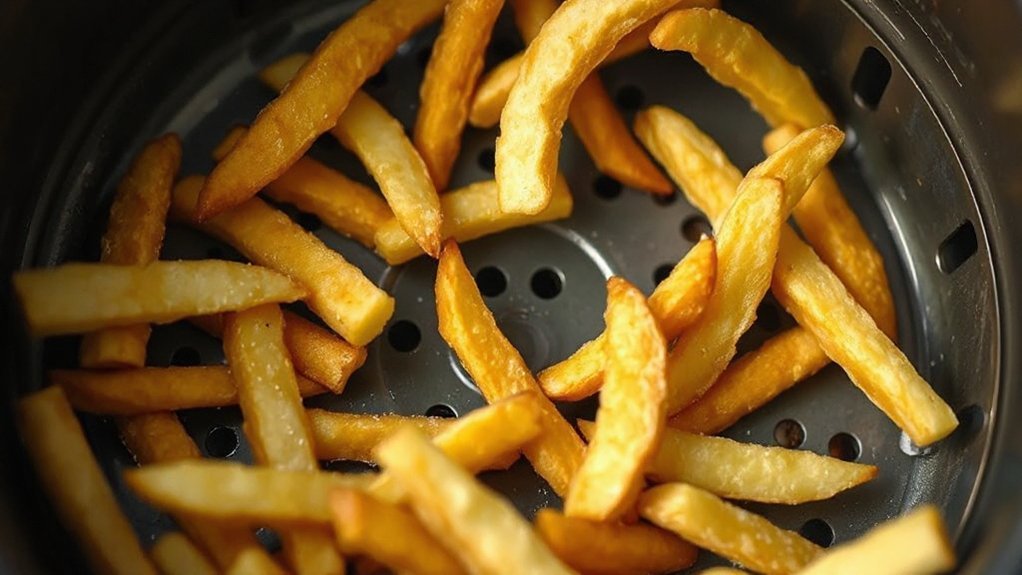
Shaking the basket at the right times keeps air flowing and gives you evenly crisp fries—aim for a quick shake every 4–6 minutes, with a more thorough toss about two-thirds through the cook so the hottest air hits every side. You’ll want to check vent placement before starting; blocked vents or overloaded basket perforations choke circulation and leave soggy patches. When you shake, use a brisk, short motion—about one second—to dislodge fries without cooling the chamber. For crisper edges, tilt the basket briefly after a shake so vertical airflow reaches the middle layer. If your model has a focused fan setting, engage it midway to boost convective flow, but don’t crowd the basket. Keep batches single-layer when possible; small batches heat faster and need fewer shakes. Finally, watch for visual cues: bubbling oil sheen and uniform bronzing mean you’ve achieved even airflow and ideal crispness and timing precision.
Seasoning, Serving, and Sauce Pairings
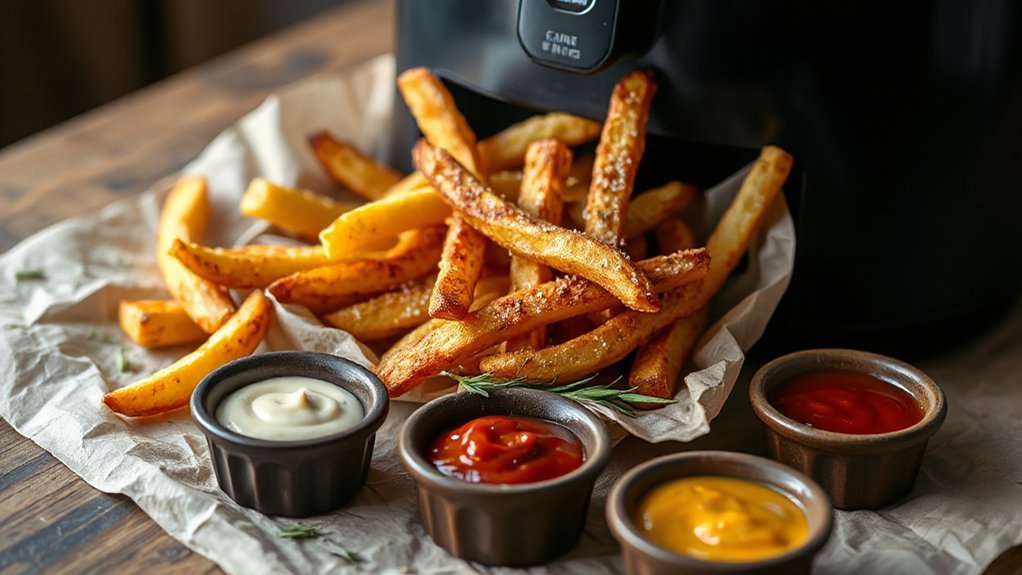
Once you’ve nailed the crisp with proper shaking and airflow, it’s time to think about flavor—what you toss on and dip into will make or break the experience. Start simple: sprinkle fine sea salt right after air frying so it sticks. For more personality, dust with garlic-parm, lemon-pepper, or a bold smoky blends rub—apply while fries are hot so seasonings cling. If you like heat, try cayenne or smoked paprika mixed with brown sugar for a sweet-spicy edge. Serve on a tray so everyone can grab, and offer dipping flights of sauces: classic ketchup, garlicky aioli, spicy sriracha mayo, and a tangy curry ketchup. Label small bowls so guests mix and match. For parties, add chopped herbs or grated cheese to finish. Keep portions crisp by serving immediately; if you need to hold, use a low oven but avoid sogginess. Flavor choices should boost, not bury, perfect crunch.
Troubleshooting Common Fry Issues
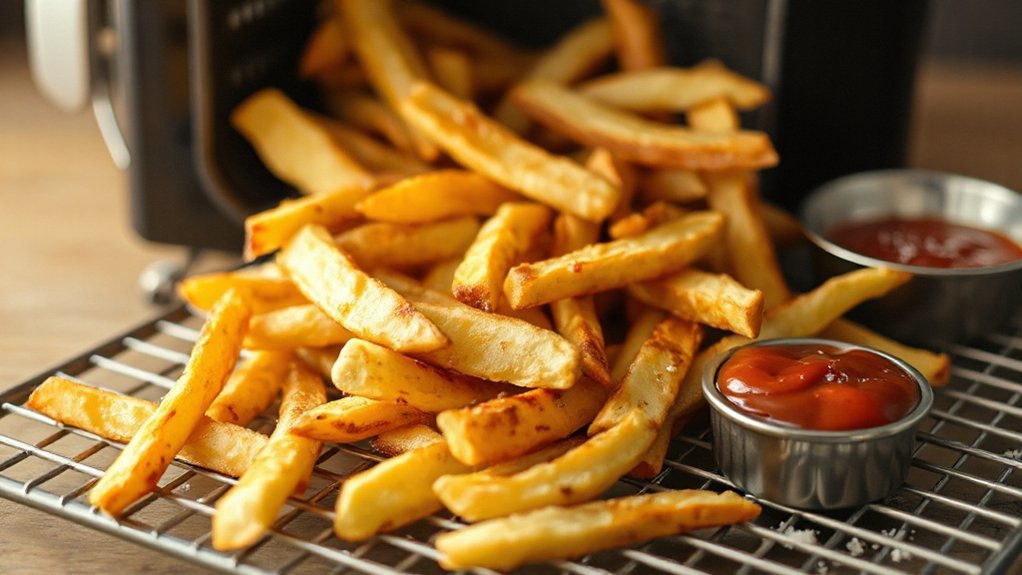
If your fries come out soggy, uneven, or burned, don’t panic—you can usually fix the problem with a few tweaks. Check these troubleshooting points and you’ll get crisp, golden fries fast.
- Under-crowding: Don’t overload the basket. frozen clumping causes steam pockets; spread fries in a single layer, shake halfway through.
- Temperature/time: Increase temp by 10°F or add 2–4 minutes for extra crisp; reduce if edges burn.
- Moisture: Pat fries dry if thawed slightly and avoid adding oil to frozen fries unless specified.
- Maintenance: Regular cleaning buildup in the basket or heating element can affect airflow; wipe residue and vacuum vents.
If you still struggle, try a brief preheat and a light toss in cornstarch for extra crunch. Experiment with one change at a time and note results — you’ll quickly dial in settings that deliver restaurant-quality fries every time.
Conclusion
You’re now armed with the 2026 method, so your air fryer fries beat deep-fried ones in crunch and health. You’ll preheat, lightly oil, and shake every 5 minutes for the crispiest results. Try 400°F for 15–20 minutes and watch a 30% oil reduction compared to deep frying—imagine a third less grease on your plate. Season hot, serve immediately, and pair with tangy sauces—your snack game just leveled up. Share them—friends will ask for seconds soon.
About The Author