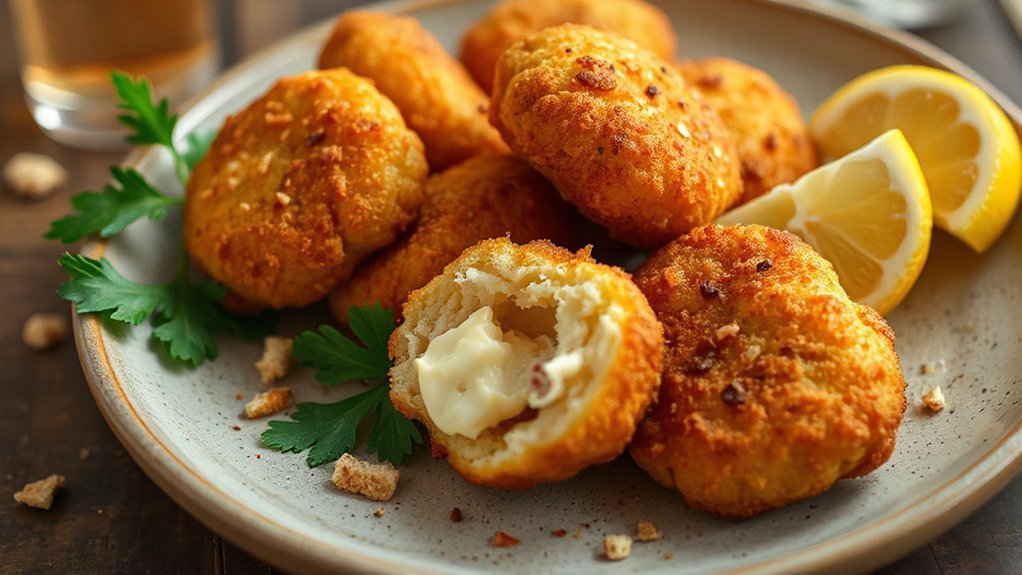
We’re fixing to show you the easiest way to get crispy, golden fillets fast—no deep-fry fuss. Start from frozen fillets for a super-quick supper at 380°F for about 10–15 minutes, flipping every 5 minutes. If you like to bread from scratch, we’ll walk you through a 400°F method that yields perfect crunch in 10–12 minutes.
We’ll cover tools, ingredients, and timing—from nonstick spray and parchment liners to Old Bay-seasoned panko. Brands like Van de Kamp’s, Gorton’s, Trader Joe’s, and Great Value pop out of the package ready to go. We’ll also share tips for white fillets like cod and gentler temps for flounder.
Serve with lemon wedges, tartar sauce, and classic sides. We’ll show a short prep flow so you can get protein on the table in minutes and how to store and reheat so leftovers stay crisp.
Key Takeaways
- Two routes: frozen fillets at 380°F (10–15 min) or from-scratch breading at 400°F (10–12 min).
- Flip every 5 minutes when cooking from frozen for even browning.
- Use nonstick spray or parchment liners to keep the basket clean and prevent sticking.
- Season well—Old Bay and panko give great texture and flavor for white fillets like cod.
- Serve with lemon wedges and tartar sauce; reheat at 350°F for 3–5 minutes to re-crisp.
Why this breaded fish air fryer method works right now
This quick-cook method gives you a crunchy crust and a juicy center every time. Hot air circulates all around the fillet, so you get deep-fried vibes without a vat of oil or extra fat.
The breading crisps up while the interior stays tender and flaky. Cod holds up especially well—thicker, juicy, and forgiving—while thinner fillets need a smidge less time.
Frozen, pre-coated pieces often include oil in the coating, so extra spray is optional. A light spritz helps if you want more crisp. Flip once halfway to avoid soggy spots and to even the browning.
Fast, clean, and consistent—this way beats oven-baking on time and skips the mess of skillet frying. Little touches like a pinch of salt or Old Bay lift the flavors without fuss. Scale it by working in batches so the rack breathes.
| Fillet Type | Cook Time | Texture | Top Tip |
|---|---|---|---|
| Cod (thick white fish) | 10–12 min | Juicy, sturdy | Use full temp; flip once |
| Thin fillets (flounder/whiting) | 8–10 min | Delicate, flaky | Reduce time slightly |
| Frozen pre-coated | 10–15 min | Crisp crust | Light spritz if desired |
Ingredients and tools for extra-crispy air fryer fish
Gathering the right ingredients and a few handy tools makes crisping up fillets a breeze. We like firm, mild white fish—cod, haddock, pollock, flounder, or halibut—for their texture and forgiving cook times.
Breading essentials: flour for grip, beaten egg for glue, and panko mixed with Old Bay, plus a pinch of salt and pepper. Keep oil to a light spritz—most coated pieces already carry some fat.
Helpful gear: an air fryer basket or fryer basket that lets air circulate, parchment liners sized for your basket, and a nonstick spray if needed. Use a fish spatula or long fork so the crust stays intact. A quick-read thermometer saves guesses on doneness.
If you buy frozen, Van de Kamp’s, Gorton’s, and Trader Joe’s breaded cod fillets tend to crisp well.

| Item | Why it helps | Quick tip |
|---|---|---|
| Panko + Old Bay | Light crunch and savory seasoning | Mix well; press gently |
| Basket or liner | Better airflow, less sticking | Don’t crowd the basket |
| Thermometer | Ensures safe, juicy fillets | Check thick pieces a few extra minutes |
Step-by-step: Make from-scratch air fryer fillets (flour-egg-panko)
Let’s walk through a simple, no-fuss method to get crunchy, golden fillets from scratch. This little recipe keeps things tidy and fast—perfect for weeknight cooking.
Prep and season
Pat the fish very dry — moisture kills crisp. Slice fillets into generous sticks so they cook evenly. Season both sides with salt and pepper. Add a wink of Old Bay if you like that coastal seasoning.
Set up the breading station
Three bowls: flour, beaten egg, and panko mixed with seasoning. Dredge in flour, shake off excess, dip in egg, then press into panko so the crust hugs the fillet.
“Chill the coated pieces for ten minutes—this helps the crust set and stick.”
Cooking instructions
Transfer in batches to avoid crowding. Air fryer at 400°F, turn halfway, and air fry about 10–12 minutes until golden and flaky. Test for doneness: it should flake with a fork and read opaque in the center.
- Make sure to leave space between pieces so hot air can circulate.
- If the coat shows wet spots, sprinkle a pinch of panko and pat gently before chilling.
- Finish with a squeeze of lemon for bright contrast.
Frozen breaded fish in the air fryer (no thawing needed)
Pop frozen coated fillets straight in—no thawing, no fuss, and dinner’s on the table fast. Preheat to 380°F. Lay the frozen fish fillets in a single layer with room between each so hot air circulates.
Cook at 380°F for 10–15 minutes; flip every 5 minutes
Set a timer. Cook 10–15 minutes at 380°F, flipping every 5 minutes. Thinner fillets finish toward the lower end; thicker pieces need the full window. Use a quick-read thermometer to make sure the center hits 165°F.
Oil and sticking: when to spritz, when to use nonstick spray or liners
Most frozen products include oil in the coating—skip extra unless you want extra crunch. If your air fryer basket lacks a nonstick finish, give it a light spray or add a parchment liner for easy release.
“We like a quick spritz only when needed — it boosts browning without adding a greasy mess.”
- No thawing necessary — go straight from freezer to fryer basket.
- Flip every 5 minutes to avoid soggy spots and get even color.
- Expect a little oil pooling in oven-style units; use the drip tray.
- Use a spatula or long fork to flip gently so the crust stays intact.
| Step | Temp | Time | Tip |
|---|---|---|---|
| Preheat | 380°F | 1–2 minutes | Preheat so cooking starts immediately |
| Cook | 380°F | 10–15 minutes | Flip every 5 minutes; check 165°F |
| Release | — | — | Use spray or liner to prevent sticking |

Time and temperature guide for different fish and fryers
Timing and temperature are your best friends for consistent, golden results in any fryer model. Start by checking thickness—thick cod-style fillets need more minutes; thin flounder or whiting cooks faster.
From-scratch crusts perform best at 400°F for about 10–12 minutes with a flip at the halfway mark. That setting gives a crisp outside and a flaky inside.
Frozen fillets usually do great at 380°F for 10–15 minutes. Flip every 5 minutes so browning stays even and the center reaches 165°F. If your unit won’t hit 380°F, use 375°F or 390°F and adjust time by a minute or two.
Need gentler heat? Try 350°F for roughly 12 minutes for thin fillets like flounder. And don’t crowd the basket—overcrowding adds time and steals crispness.
| Setting | Best for | Minutes |
|---|---|---|
| 350°F | Thin fillets | ~12 |
| 380°F | Frozen pre-coated | 10–15 |
| 400°F | From-scratch breading | 10–12 |
“Write down your go-to times for your fryer basket—your first batch will teach you fast.”
Crispiness secrets: the best way to air fry breaded fish
We’ll share a few small moves that turn a good crust into a great one. A few smart steps—spacing, flipping, and gentle handling—are the secret to a loud crunch.

Don’t overcrowd the basket—work in batches
Give each piece breathing room. Overcrowding traps steam and softens the crust. Work in batches so hot air can circulate and each fillet crisps up.
Flip for even browning and to avoid soggy spots
Flip once halfway through the cook. Turning the pieces stops wet bottoms and makes both sides golden. Make sure you set a timer—this step pays off every time.
Use a spatula or long fork to protect the breading


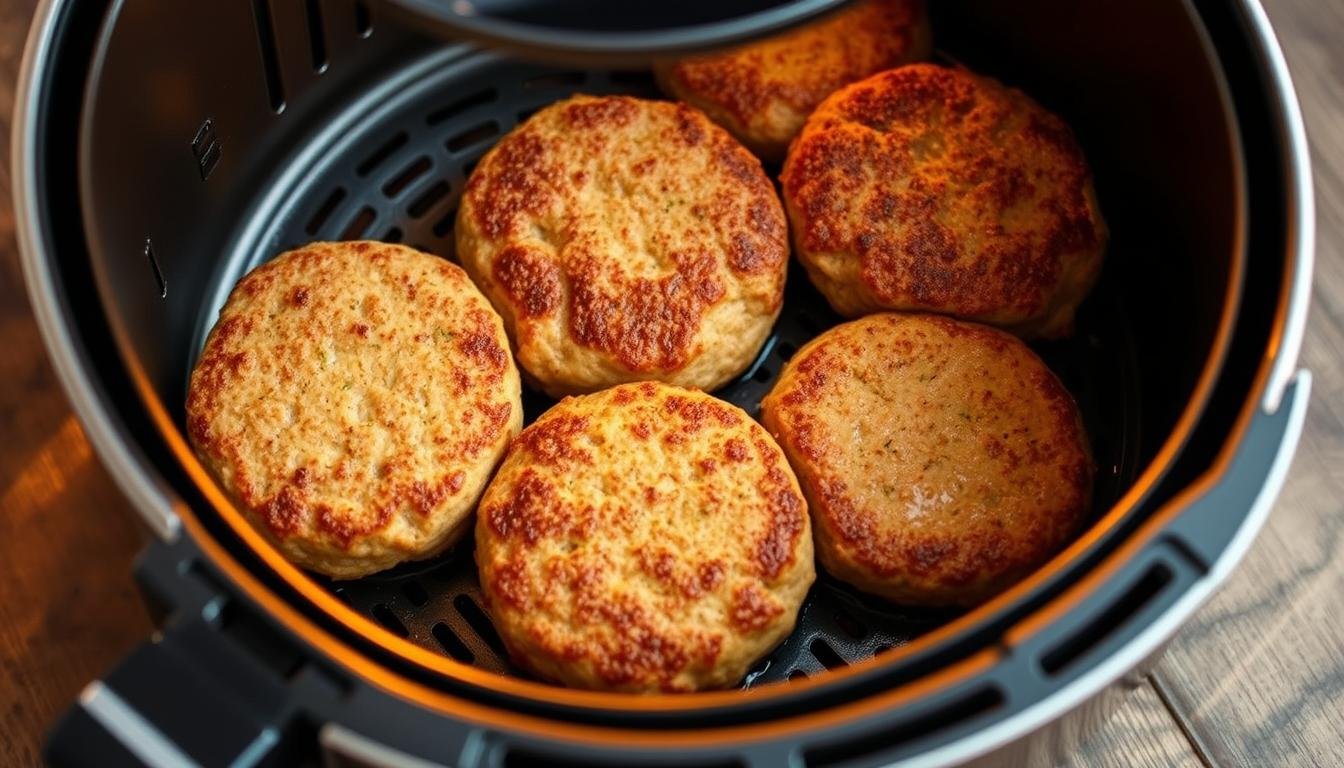
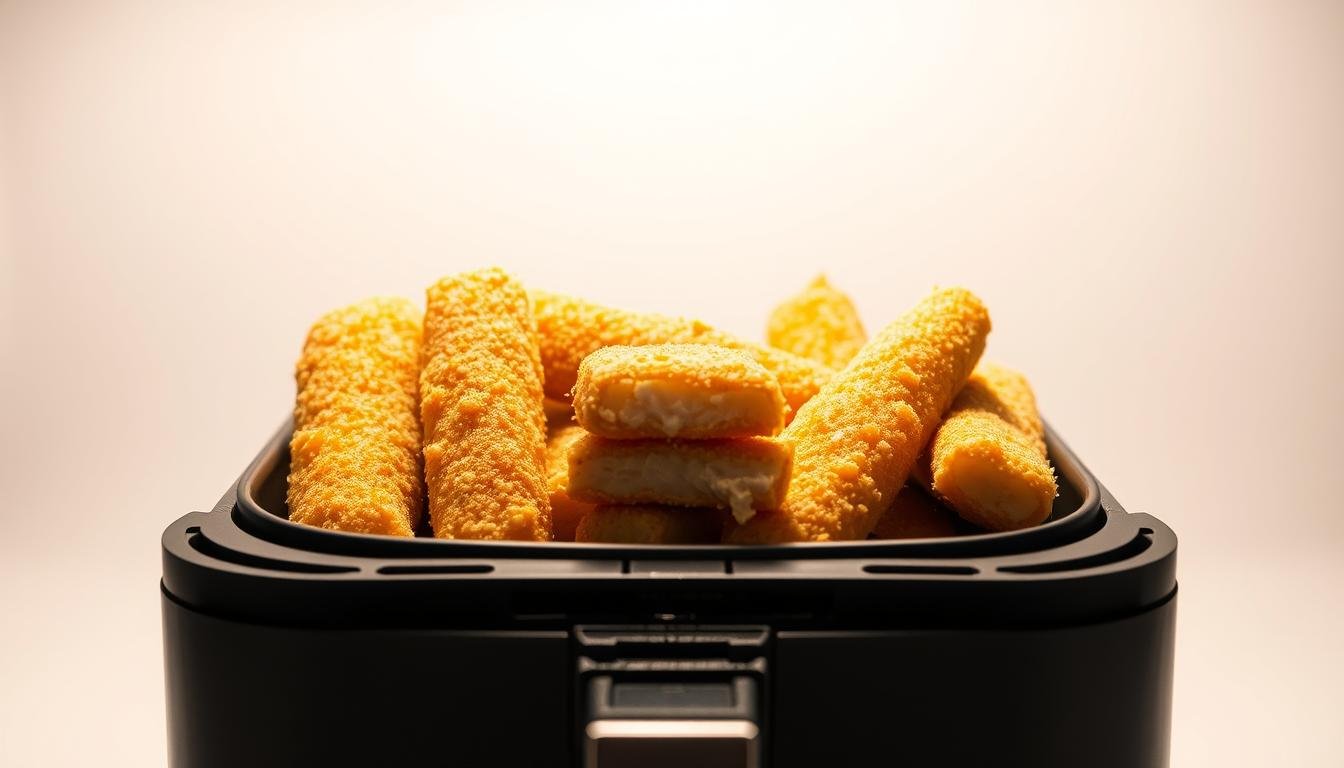
Use a thin spatula or long fork to flip—tongs can tear that lovely breading. Parchment liners or a nonstick air fryer basket help prevent sticking.
- Don’t let pieces touch—little gaps mean bigger crunch.
- If you spritz oil, go light—too much invites sogginess instead of snap.
- Let the fillets rest a minute after cooking so the steam settles and the crust stays crisp.
“These small tips stack up to one thing—breaded fish that crunches loud enough to make you grin.”
Serve it right: tartar sauce, lemon wedges, and easy sides
We like to lay out wedges, sauces, and a couple of easy sides so everyone can build their own plate. A little setup makes the meal feel special and keeps the crust snappy when the fillets hit the table.
Bright and creamy: Set out lemon wedges and a bowl of tartar sauce. A squeeze of lemon juice lifts the whole bite. Mix a quick tartar sauce in minutes, or grab a jar—both work fine.
Sauce ideas that pair well
- Tartar sauce — classic, creamy, and tangy.
- Cocktail sauce — zesty for extra-crispy bites.
- Lemony mayo — mayo plus lemon juice for a simple, bright dip.
Easy sides to round the plate
Keep it simple: fries, tater tots, onion rings, or roasted potatoes hit the spot. Hush puppies and coleslaw bring that Southern comfort. For kids, mac and cheese never fails.
| Side | Why it works | Quick tip |
|---|---|---|
| Fries / Tots | Crunch matches the crust | Serve hot for best texture |
| Coleslaw | Cool, creamy contrast | Make ahead and chill |
| Hush puppies / Mac | Comforting, kid-friendly | Keep warm under foil |
“We like a sauce trio: tartar, cocktail, and a lemony mayo—let folks dip and decide.”
Quick serving notes: Plate fillets hot from the fryer so the crust stays snappy. Sprinkle a little seasoning—Old Bay or Cajun—at the table for folks who want extra kick. Stack the fillets, tuck in wedges, and set sauces within reach.
Variations and seasoning swaps for air fryer fish
Want low-carb or gluten-free? We’ve got simple swaps that keep the crunch and toss out the carbs.
Low-carb lovers can trade regular flour for almond flour and swap panko for crushed pork rinds. Don’t grind the rinds to dust—leave some chunks so the crust stays craggy and crisp.
Gluten-free cooks will like almond flour plus crushed corn flakes for a familiar crunch. These swaps work for cod and other firm white fish—both hold up well during the cook.

Change the vibe with spice blends. Try Cajun heat for a kick, jerk seasoning for island flavor, or za’atar for a herby, lemony twist. Old Bay still shines for that salty-citrusy finish—don’t sleep on it.
- Keep the same method—season your breading and cook as usual.
- Taste and tweak—salt levels vary across blends.
- Sampler night: coat a few fillets differently so everyone finds a favorite.
| Diet | Swap | Tip |
|---|---|---|
| Low-carb / Keto | Almond flour + crushed pork rinds | Leave texture in rinds for crunch |
| Gluten-free | Almond flour + crushed corn flakes | Press flakes gently to adhere |
| Flavor swap | Cajun, Jerk, Za’atar, Old Bay | Adjust salt; sample before serving |
“These swaps keep your protein exciting week after week—no recipe rut in sight.”
Doneness and food safety for breaded fish in the air fryer
A quick temp check and a fork test tell you when your fillets are ready. We keep this plain and kind—food safety first, flavor right behind it.
Internal temperature target: For frozen prepared fillets aim for 165°F inside. Use a quick-read thermometer at the thickest spot to be sure. Thicker pieces may need a couple more minutes—trust the temp over guesswork.
Visual doneness cues
Look for three simple things: the fish flakes easily with a fork, the crust is golden, and the center looks opaque. Flip once or twice during cook time so browning runs even and you dodge soggy patches.
- For frozen prepared fillets, aim for 165°F inside—food safety first, y’all.
- Check the thickest spot if you’re unsure; a minute or two can make a big difference in minutes.
- Let the fish rest a minute—carryover heat finishes the job without drying the meat.
- Keep sauces nearby, but don’t drown that perfect crust—light dip, big flavor.
- This method cuts oil and helps lower cholesterol risk—tasty and heart-smart.
| Check | What to expect | Action |
|---|---|---|
| Thermometer | 165°F at center | Probe thick spot; add minutes if low |
| Fork test | Flakes easily | Pull gently—if it flakes, pull it |
| Visual | Golden crust, opaque center | Flip during cooking for even color |
“Watch time and temp—those two keep results consistent, batch after batch.”
Storage and reheating without losing the crunch
Keep those crunchy fillets tasting fresh by storing them right and warming them gently.
Refrigerate leftovers in an airtight container up to 3 days. That keeps texture and keeps kcal and cholesterol in check compared with greasy reheats. Skip refreezing cooked frozen fish — it wrecks the texture and the crust won’t recover.
When you’re ready to eat, reheat in the air fryer at 350°F for 3–5 minutes, flipping once halfway. Times vary by basket and fillet thickness; thicker pieces may need an extra minute or two.
- No extra oil needed — the crust wakes up crisp on its own.
- Arrange fillets in a single layer in the air fryer basket so hot air can do its job.
- Pack sauce on the side when meal-prepping to keep the crust snappy.
| Storage | Reheat Temp | Typical Minutes |
|---|---|---|
| Airtight container, refrigerate up to 3 days | 350°F | 3–5 minutes (flip once) |
| Do not refreeze cooked frozen fish | 350°F | +1–2 minutes for thick fillets |
| Expect pooled oil in tray — drain if desired | Use basket single layer | Check center for warmth before serving |
“Jot your go-to minutes for your unit — that little note saves guesses and keeps dinner easy.”
Conclusion
You’ve got a fast, reliable recipe that turns simple fillets into a golden, crunchy meal. From-scratch cooks, go 400°F for about 10–12 minutes and flip once. For frozen fish fillets, 380°F for 10–15 minutes, flipping every 5 minutes, and reach 165°F inside.
Keep the basket roomy and use a spatula or long fork to protect the crust. If 380°F isn’t on your dial, 375°F or 390°F works — tweak minutes as needed. Serve hot with lemon wedges and tartar sauce.
Store leftovers up to three days and re-crisp at 350°F for 3–5 minutes. This air fryer way trims oil but keeps the crunch. Try other air fryer recipes and make this one a weeknight go-to — y’all nailed it.
FAQ
What’s the quickest way to get a super-crispy breaded fillet in the air fryer?
Can we cook frozen breaded fillets without thawing? What temp and time?
How do we stop the coating from falling off when we flip?
What are good white fish options for this method?
What seasonings and swaps work if someone wants gluten-free or low-carb?
Do we need to preheat the basket? Any liners or spray tips?
What if the crust browns too fast but the center is still cold?
How do we check doneness safely?
Any tips for keeping leftovers crisp when reheating?
What sides and sauces pair best with these golden fillets?
How many kcal and fat should we expect in a typical serving?
Can we make the breading ahead and freeze raw for later cooking?
About The Author