You’ll find air-fried chickpeas are a high-protein, high-fiber snack that crisp up with minimal oil and typically produce less acrylamide than deep-frying. Season them with paprika, cumin and cayenne to add antioxidants and a metabolism-friendly kick, then air fry at moderate heat for 10–15 minutes for best texture. Practical tips on seasoning, timing and storage will help you get a consistent result—here’s how to make them reliably crunchy.
Ingredients
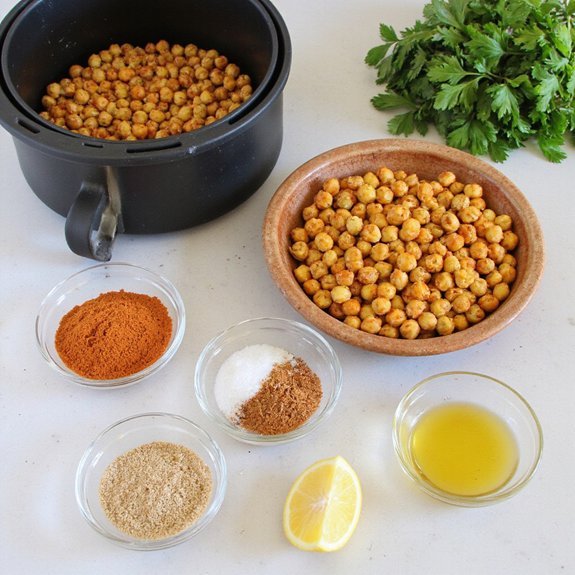
You’ll need about 2 cups (around 330 g) cooked chickpeas as the protein- and fiber-rich base, 1–2 teaspoons of olive oil for crisping and a source of monounsaturated fat, and 1–2 teaspoons of salt and spices (paprika, cayenne, cumin, or chili powder) to season.
Use canned chickpeas for convenience; rinse and drain to reduce sodium and improve texture.
Add a teaspoon of smoked paprika or a pinch of cayenne for heat, plus garlic powder and a touch of ground cumin for depth — these spice options deliver antioxidants and volatile compounds that enhance flavor without added calories.
Consider a small sprinkle of nutritional yeast for B vitamins and umami.
Portion sizes matter: this keeps caloric density manageable while maximizing protein, fiber, and micronutrients efficiently.
Equipment and Prep Tips

Tools matter: an air fryer with a perforated basket gives the most even crisping, and you should also have a kitchen scale, a colander, paper towels or a clean dish towel, and a heatproof bowl for tossing.
Choose a reliable model—compare air fryer brands for airflow design and wattage; better circulation yields crisper, lower-fat snacks.
Rinse and drain canned or cooked chickpeas, then dry thoroughly to promote Maillard reactions that increase flavor and reduce sogginess.
Use your scale to portion servings for consistent nutrient density and to track protein and fiber per batch.
Arrange chickpeas in a single layer, shaking the basket halfway through for uniform browning.
These preparation techniques cut oil needs, boost texture, and support repeatable, evidence-based results.
Optimize timing for batches.
Spice Mix and Flavor Variations
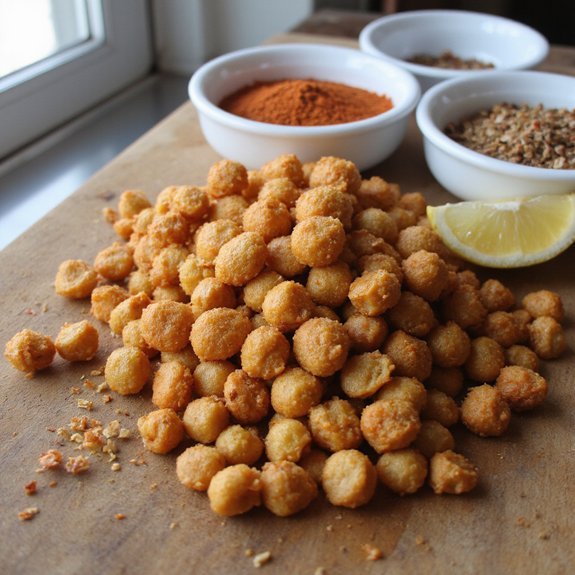
Now that the chickpeas are dried and ready, seasonings become the main determinant of flavor and nutrient benefits. You’ll choose spice variations that boost taste and health: turmeric for anti-inflammatory curcumin, paprika for antioxidants, cumin for digestion-supporting compounds, and chili for capsaicin’s metabolic effects.
Balance sodium with acid (lemon or vinegar) and a touch of olive oil to aid fat-soluble nutrient absorption. For innovation, explore smoky-maple, za’atar-citrus, or garam masala-progressions as tested flavor combinations that keep sodium moderate while increasing phytochemical diversity.
Measure spices by weight or teaspoons, taste as you go, and record preferred ratios so you can replicate nutrient and sensory profiles. Adjust heat levels to suit dietary needs and flavor intensity.
Air Frying Instructions
Preheat your air fryer to 375°F (190°C) to guarantee even, efficient roasting that preserves protein and fiber content.
Arrange the chickpeas in a single layer so hot air circulates and they dehydrate uniformly, improving texture without extra oil.
Shake the basket every 5–7 minutes and check crispness toward the end — stop when they’re golden and firm to the bite to avoid over-drying.
Preheat the Air Fryer
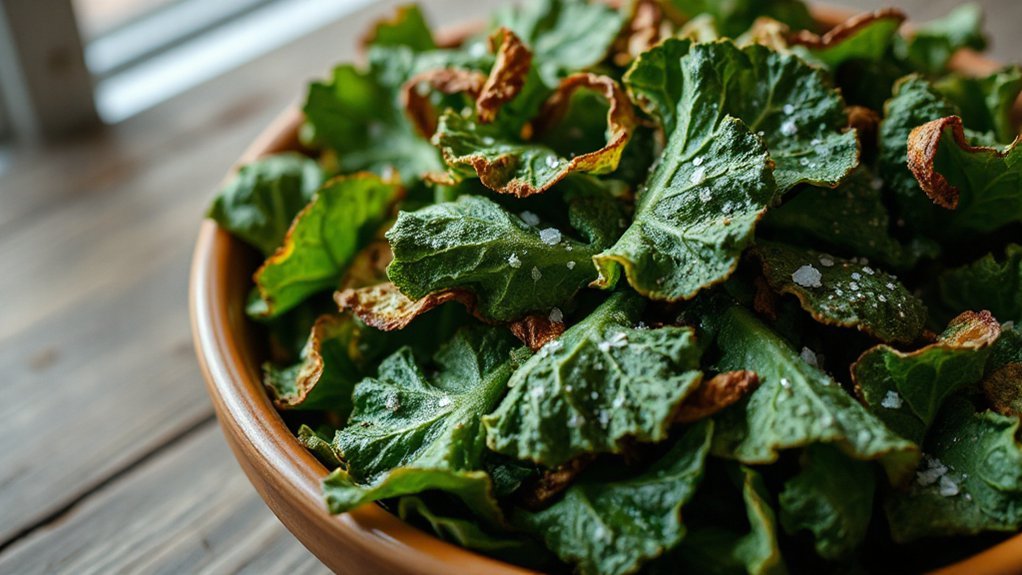
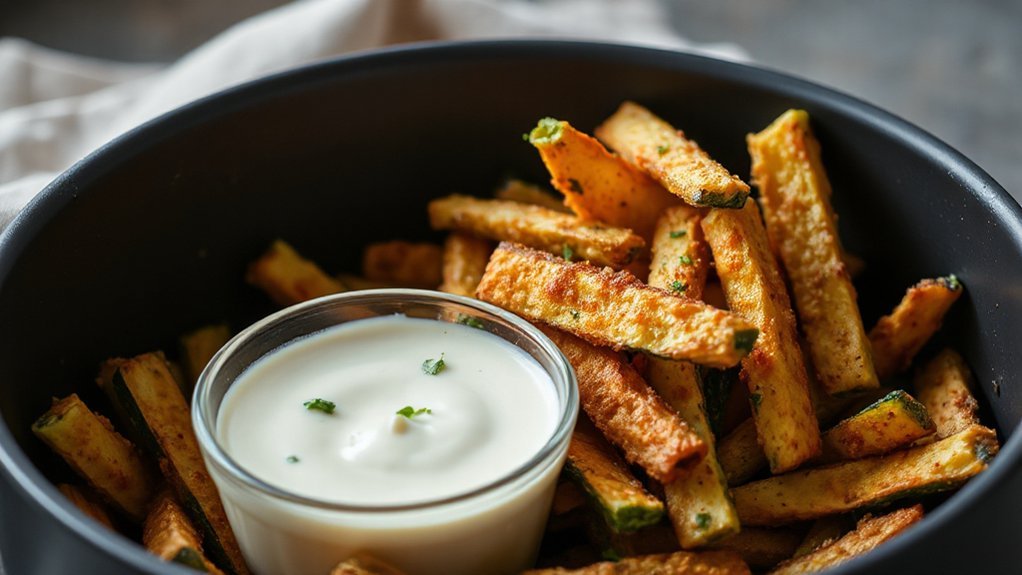
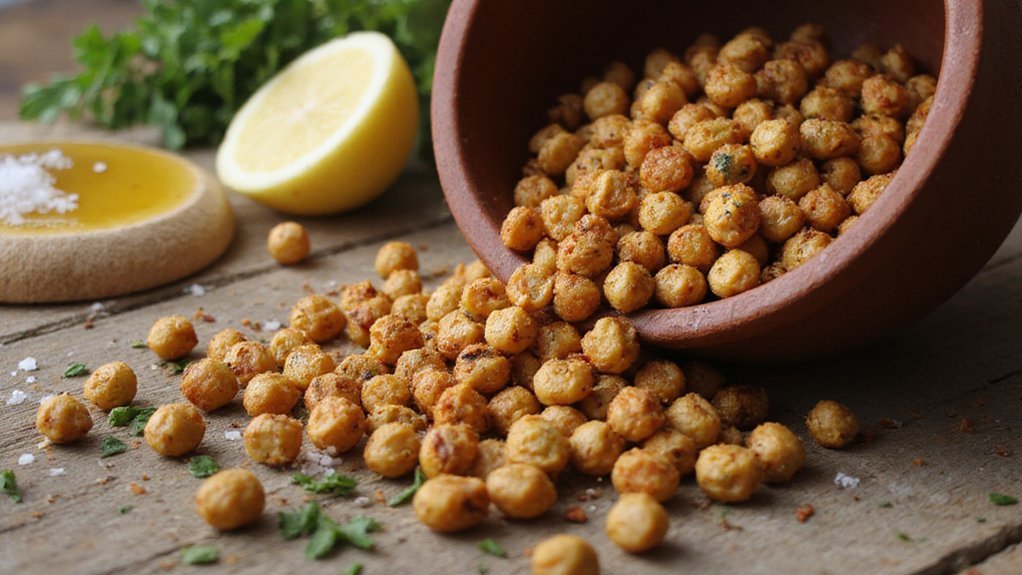

Because air fryers reach stable temperatures rapidly, you’ll preheat yours to 190°C (375°F) for 3–5 minutes so the chickpeas crisp evenly without prolonged exposure that can over-dry protein and reduce palatability.
Preheating benefits extend beyond texture; quick heat minimizes nutrient loss by shortening cook time and promotes Maillard reactions that boost flavor without excess oil. Aim for the ideal temperature noted: 190°C balances surface browning and interior tenderness, preserving protein quality and micronutrients.
For innovation, consider a short air-cycling phase before loading to equalize heat. Use a thermometer or validated preset to confirm performance, and don’t exceed the interval — overexposure dries legumes.
These steps are practical, evidence-informed, and focused on nutrient retention and consistent crispness. You’ll notice improved texture and flavor reproducibility consistently.
Single-layer Chickpea Spread
While the air fryer sits at 190°C (375°F), spread the dried, lightly oiled chickpeas in a single layer so each bean gets direct circulating heat; you’ll cook them for about 10–15 minutes, shaking or turning every 4–5 minutes to promote even browning and limit prolonged exposure that can over-dry protein. You’ll aim for uniform heating to preserve texture and maximize chickpea benefits like protein and fiber. Use a shallow basket or parchment to keep them separate. The table highlights time, temp, and outcome to guide experimentation for innovative snack ideas. Adjust seasoning after testing; 15 minutes yields higher fiber concentration per crunchy serving in trials.
| Time | Temp | Outcome |
|---|---|---|
| 10 m | 190°C | Tender-crisp |
| 12 m | 190°C | Balanced |
| 15 m | 190°C | Drier bite |
| — | — | — |
Shake and Check Crispness
Once the chickpeas are in the basket, shake them every 4–5 minutes and visually check for even browning to guarantee uniform heat exposure and preserve texture and nutrient integrity.
You’ll rotate and agitate to prevent hotspots and ruptured skins, which can reduce oil retention and nutrient loss.
At 12–15 minutes start simple crispiness tests: press a sample between fingers and listen for a dry snap; if moist, continue in 2–minute increments.
Use texture evaluation to assess chew versus crunch balance—target a firm center with a brittle exterior for ideal mouthfeel and satiety.
Record times and temperatures to refine your protocol; small adjustments preserve protein structure and maximize fiber accessibility while delivering reliably bold, innovative snacks.
You’ll achieve repeatable results and nutrient-preserving crispness every time.
Serving Suggestions
If you want a practical, nutrient-forward snack, stick to about 1/2 cup (≈80 g) of air-fried spicy chickpeas — that portion delivers roughly 7–8 g protein and 6–7 g fiber, helping with satiety and blood-sugar control.
Serve them warm for best texture and pair with complementary flavors: citrus zest or pickled jalapeño to cut richness, smoked paprika yogurt to echo heat.
Consider flavor pairings that balance salt, acid and fat to boost satisfaction without excess calories. Use crunchy greens or whole-grain crackers to add volume and micronutrients.
Offer small bowls of dipping sauces—tzatziki, tahini-lemon, or avocado crema—to invite customization while controlling portions.
You’ll create a nutrient-dense, innovative snack that’s both practical and pleasing. Rotate spices seasonally to keep your palate engaged and nutritionally supported.
Storage and Reheating
Cool the chickpeas completely on a rack, then transfer them to an airtight container and refrigerate for up to 3–4 days (or freeze up to 1 month after flash-freezing on a tray).
Store in single layers where possible to preserve crunch; label with date to monitor storage conditions and minimize waste.
Because roasted legumes lose crispness as moisture returns, reheat using high, dry heat: air fryer at 175°C (350°F) for 3–5 minutes or oven at 190°C (375°F) for 5–8 minutes.
These reheating methods restore texture without adding excessive oil, preserving protein density and fiber benefits.
Thaw frozen portions overnight in the fridge before reheating. Track temperature and time, and discard any with off-odors or slimy texture to guarantee safety.
You’ll extend shelf life and maintain nutrient quality.
Conclusion
You’ll find this air-fryer spicy chickpea snack delivers a protein- and fiber-rich crunch that supports satiety and digestive health. Using minimal oil and controlled seasoning keeps calories and sodium in check while retaining antioxidants from spices like paprika and cumin. You can batch-cook, store airtight for up to a week, and reheat briefly to restore crispness. Try variations to boost micronutrients—add turmeric or za’atar—to fit your nutrition goals and taste preferences for everyday healthy snacking.
About The Author