You’ll get quick, reliable mini frittatas in the air fryer that hold together and brown evenly. Mix eggs, a splash of milk, and your choice of prepped fillings; portion into silicone cups and cook about 10–12 minutes. They scale, freeze, and reheat well. Keep going to get exact temps, timing, and tips to avoid soggy centers…
Why You’ll Love These Frittatas

Because they cook fast and hands-off in the air fryer, you’ll have hot, individual frittatas ready in about 10–12 minutes with minimal babysitting.
You’ll appreciate consistent texture and reliable timing once you calibrate your model; follow the tested cook time and flip-free method to avoid soggy centers.
These bite-sized frittatas streamline meal prep, scale easily for batches, and reduce oil use, which enhances health benefits without sacrificing flavor.
You can innovate by adding seasonal vegetables or herbs, but keep fillings uniform size for even cooking.
For serving suggestions, plate them warm with a simple green salad, whole-grain toast, or a yogurt dip for contrast.
Track cook cycles and adjust temperature in 2-minute increments for repeatable results.
Document notes and timing to refine your technique every time.
Ingredients Needed

You’ll need a short list of staples and fresh add-ins: eggs (large), a splash of milk or cream, salt and pepper, a little oil or nonstick spray, shredded cheese, and diced vegetables or cooked meats—cut uniformly small so each mini frittata cooks evenly.
Beyond basics, keep measured ratios: about one egg per muffin cup and a tablespoon of add-ins per cup. Use grated firm cheeses and pre-cooked proteins to prevent excess moisture.
For innovation, test bold combinations like feta with roasted pepper or smoked salmon with chive. Note ingredient variations clearly and plan dietary substitutions—swap milk for plant-based milk, cheeses for nutritional yeast, or use tofu for egg-free versions.
Taste each batch and tweak seasoning to dial in favorites.
Equipment and Prep

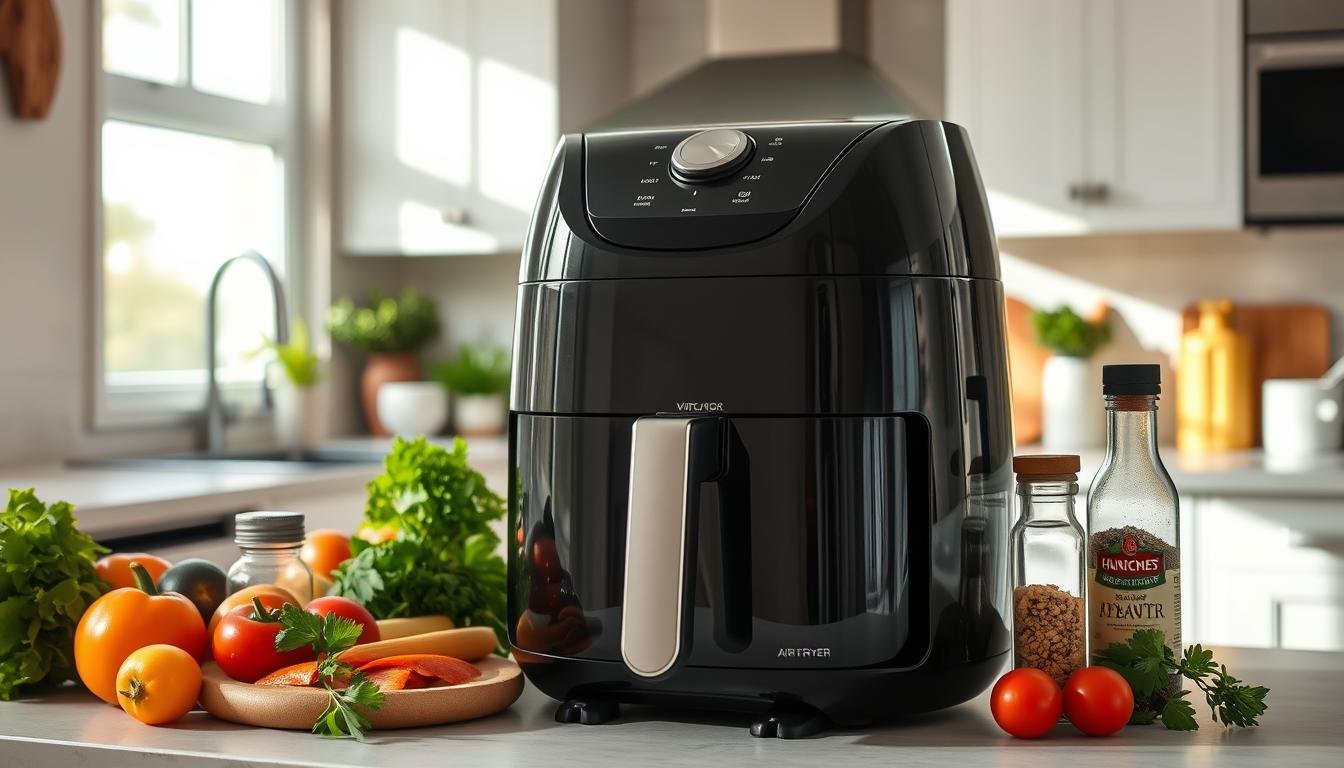
A medium-capacity air fryer, a set of six to twelve silicone or metal muffin cups, a mixing bowl, whisk, measuring spoons/cup, and a small spatula are the core tools you’ll need. Gather additional cooking tools: a small cutting board, sharp knife and nonstick spray. Follow these preparation tips: preheat the air fryer, lightly oil cups, and portion batter evenly. You’ll work efficiently and reproducibly when you organize ingredients and tools before you start. The table below summarizes essentials and purpose.
| Tool | Purpose |
|---|---|
| Air fryer | Even, fast cooking |
| Muffin cups | Shape and portion |
| Whisk & bowl | Combine eggs evenly |
| Measuring spoons/cup | Accurate seasoning |
For innovative cooks, these preparation tips and cooking tools streamline batch work so you’ll produce consistent, flavorful breakfast frittatas every time daily.
Step-by-Step Recipe
Gather the listed ingredients and finish prep: whisk the eggs, measure fillings, chop vegetables, and grease or line your mini cups.
You’ll portion fillings into each cup, pour the egg mixture evenly, and add any final toppings.
Then follow the air-fryer schedule—temperature, time, and a quick toothpick or gentle jiggle check—to cook consistent mini frittatas.
Ingredients and Prep
Start by cracking 8 large eggs into a bowl and whisking them with 1/4 cup milk (or cream), 1/2 teaspoon salt, and 1/4 teaspoon black pepper until smooth; you’ll want the mixture lump-free for even cooking.
Measure and prep add-ins: 1 cup grated cheddar or goat cheese, 1/2 cup diced bell pepper, 1/2 cup cooked spinach, 1/3 cup chopped green onion, and 4 ounces cooked bacon or mushrooms.
Keep fillings uniformly small so mini frittatas set evenly. For innovation, plan frittata variations — Mediterranean with feta and sun-dried tomato, or herb-forward with dill and chives.
Note common ingredient substitutes: dairy-free milk, vegan cheese, or egg replacer for lighter options.
Line your muffin pan or silicone cups and lightly oil before filling for best results.
Cooking Steps
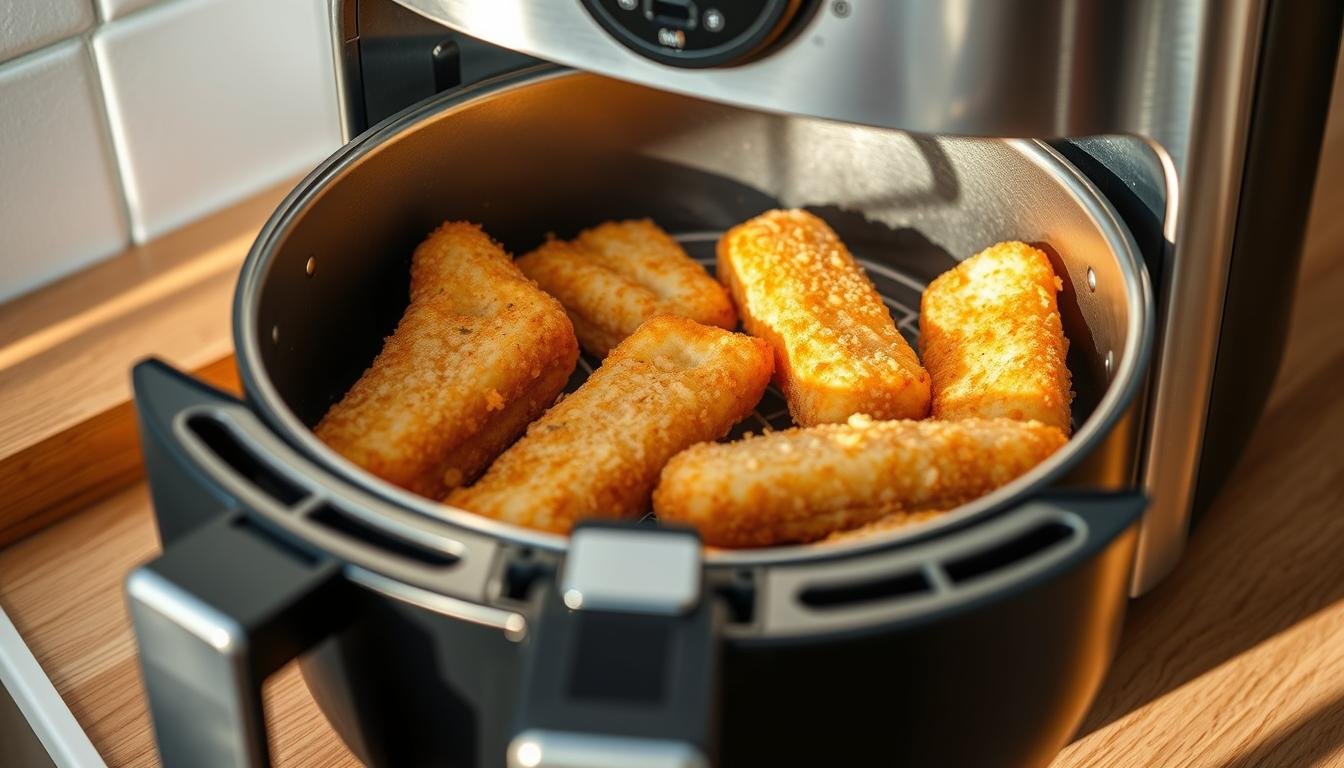
Preheat your air fryer to 325°F (160°C) and set the timer for about 10–12 minutes; while it heats, spoon the egg mixture into the oiled muffin cups, filling each about three‑quarters full so they’ve room to puff.
Place the tray in the basket, avoid overcrowding, and check doneness at 8 minutes using a toothpick — it should come out mostly clean with slight moisture. If tops brown too fast, lower temperature by 5–10°F.
Rotate the tray once midway for even cooking. Let frittatas rest three minutes before removing to finish carryover cooking.

For experimentation, try dairy-free milk or shredded tofu as ingredient substitutions, and apply high-low cooking techniques for texture contrasts.
Store cooled frittatas in airtight containers up to four days in fridge.
Customization Ideas
You can swap proteins—cooked bacon, diced ham, shredded chicken, crumbled sausage, or firm tofu—to change texture and flavor.
Test small batches to keep moisture balanced and adjust cook time for denser fillings.
Pair fresh herbs (chives, basil, cilantro) or dried spices (oregano, smoked paprika, cumin) with your protein and taste the seasoned eggs before air frying.
Protein Swaps
Three simple swaps will transform your mini frittatas: choose cured meats (bacon, diced ham, or cooked breakfast sausage), flaky proteins (smoked salmon or canned crab), or vegetarian options (firm tofu crumbles, tempeh, or cooked chickpeas).
Start by precooking proteins to remove moisture and concentrate flavor: crisp turkey bacon or sautéed chicken sausage slices until browned, drain, then cool. For seafood, flake smoked salmon and pat dry; canned crab needs brief sauté to firm texture.
For vegetarian swaps, press tofu, crumble and pan-sear, or brown tempeh for chew. Measure equal volumes so egg ratio stays consistent—about one ounce protein per mini frittata.
Fold proteins in gently to distribute. Test one batch, adjust cook time by 1–2 minutes if fillings add moisture. Record adjustments for repeatability.
Herb and Spice Mixes
After selecting proteins, match herb and spice mixes to complement their flavor and control moisture.
Use dried or fresh herbs based on cooking time: dried basil, oregano, and thyme stand up to air-fry heat; fresh chives, parsley, and cilantro add brightness post‑cook. Measure: 1 teaspoon dried or 1 tablespoon fresh per 4 eggs.
Blend spices to balance fat and acidity — smoked paprika with cumin for pork, turmeric and black pepper for chicken, za’atar or sumac for feta blends — and test small batches.
Note herb benefits like antioxidant lift and aroma that reduces salt need.
Make spice blends in advance, label ratios, and store airtight. Adjust salt last; you’ll preserve texture and innovate reliably.
Taste as you go and refine each batch quickly.
Make-Ahead and Meal Prep
When prepping Mini Breakfast Frittatas for the week, portion the beaten egg mixture into a silicone muffin tray so the frittatas keep their shape and cook evenly in the air fryer. For efficient meal prep and healthy breakfasts, label trays, freeze portions flat, and batch-chill fillings to speed assembly. Use this quick guide:
| Stage | Action | Time |
|---|---|---|
| Prep | Chop fillings, mix eggs | 10 min |
| Freeze | Flash-freeze tray, wrap | 30–60 min |
| Store | Refrigerate up to 4 days | 4 days |
Thaw trays overnight in the fridge when you’re ready to cook. You can innovate with roasted veggies or cheese swaps; test combinations in small batches to refine texture and flavor. Rotate proteins and herbs weekly to maintain variety and optimize nutrients without wasting ingredients or freezer space.
Reheating and Serving Tips
Anyone reheating these frittatas will find the air fryer gives the best texture: preheat to 325°F (160°C) and heat refrigerated frittatas 4–6 minutes or frozen portions 8–10 minutes, flipping halfway for even browning; check that the center reaches 165°F (74°C).
Tent with foil if the tops brown too quickly, or use a microwave (30–60 seconds on high for one, add 15–20 seconds for each additional) if you’re short on time.
For alternate reheating methods, sear briefly in a hot skillet to crisp edges, then finish covered on low.
For serving suggestions, garnish with herbs, yogurt, hot sauce or pickled onions and pair with toast or salad.
Storage and Freezing
Before refrigerating or freezing, let frittatas cool to room temperature no longer than 2 hours, then pack them to preserve texture and safety. You’ll store mini frittatas in airtight frittata containers or wrapped individually for portioning. For freezer storage, flash-freeze on a tray, then transfer to labeled containers or bags to avoid freezer burn. Thaw overnight in the fridge, then reheat gently.
| Step | Action |
|---|---|
| Pack | Use airtight frittata containers or freezer bags |
| Flash-freeze | Arrange single layer on tray for 1–2 hours |
| Label | Date and contents for 1–3 month rotation |
Follow these tested steps to retain texture and flavor while maximizing convenience. Rotate stock, discard past three months, and innovate with herbs or cheeses when planning batches. Use small silicone molds for space-efficient stacking weekly.
Troubleshooting Common Issues
If your mini frittatas come out soggy, rubbery, overbrowned, or unevenly cooked, diagnose the problem by checking three things: egg-to-liquid ratio, mold prep and fill level, and air fryer temperature/airflow.
First, adjust egg-to-liquid: you’ll want a firmer set—reduce milk/cream by 10–20% or add an extra egg for small molds.
Second, prep molds: grease lightly, don’t overfill—leave 1/4 inch headspace to guarantee even rise; uneven fills cause variable baking times.
Third, manage airflow and temp: preheat the basket, lower temp 10–20°F to prevent overbrown, rotate tray midway.
For innovation, test ingredient swaps like ricotta for cream or cooked grains for volume, then record results and standardize successful baking times.
If persistent, calibrate your fryer with an oven thermometer, then change only one variable at once.
Conclusion
You’ll love how quickly these mini frittatas come together and how reliably they cook in the air fryer. Use fresh fillings, whisk eggs and milk until smooth, and don’t overfill the cups so they set evenly. Cook 10–12 minutes at the recommended temperature, check doneness with a toothpick, and let them rest briefly before unmolding. Make extras, freeze portions, and reheat single servings for a dependable, nutritious breakfast any morning. Store leftovers properly to preserve flavor.
About The Author