We’re keeping supper simple, y’all—crispy fish in just a handful of minutes with pantry ingredients you already love. Buttery blackened fillets or a crunchy crust—same easy weeknight win.
Two fillets brushed with 2 tablespoons melted butter and a Cajun or blackening rub cook up at 380°F for about 8–10 minutes. The fish is done when it flakes easily and reads 145°F on a thermometer.
We’ll walk you through fresh vs. frozen, when to thaw, and when to cook straight from the bag. Tools matter—your basket and a trusty thermometer take out the guesswork.
Leftovers stash well in a sealed container—fridge for up to 3 days or freezer up to 3 months. Reheat in the same unit or a hot skillet with a little butter and you’re good to go. A squeeze of lemon and a sprinkle of parsley finishes the dish just right.
Key Takeaways
- Quick supper: flaky, juicy fillets in about 8–10 minutes.
- Simple ingredients: butter, seasoning, and pantry staples.
- Use a thermometer—145°F means perfect doneness.
- Store leftovers in a sealed container; fridge 3 days, freeze 3 months.
- Reheat in the unit or skillet with a bit of butter for best results.
- Lemon and parsley brighten the mild, meaty flavor every time.
Quick overview: a fast, foolproof mahi mahi recipe for the present day
We’re all about fast wins—this method gives you golden edges and a moist center with almost zero fuss. Season, coat, and bake in convection heat for a tidy, reliable result.
Why this method works:
- Hot circulating air wraps the fillet, so there are no cold spots and the edges brown evenly.
- Cook times sit in a sweet spot—about 8–12 minutes—so you don’t babysit the stove.
- Flavor stays focused: a simple spice blend or a light breadcrumb crust adds crunch without masking the fish.
What to expect: timing, texture, and doneness cues
Use 380°F for butter-and-spice fillets (around 8–10 minutes). Go to 400°F with panko for extra crunch and flip halfway for a golden finish (8–12 minutes).
| Method | Temp | Time | Finish |
|---|---|---|---|
| Buttery blackened | 380°F | 8–10 minutes | Opaque, flakes at 137–145°F |
| Panko-crusted | 400°F | 8–12 minutes (flip halfway) | Golden crust, moist interior |
| Frozen-to-cooked | Preheat higher, then finish at 380–400°F | Time varies by thickness; add a few minutes | Check internal temp; avoid overcooking |
Why you’ll love this crispy mahi mahi
Get dinner done quick: a simple rub, a little fat, and a short cook time deliver big flavor. We mean it—this method uses just fillets, melted butter or oil, and a straightforward seasoning. That’s it. No fuss, no long prep.
Ready in under 10–15 minutes with minimal ingredients
Supper on the table in under 15—now that’s our kind of weeknight win! Two or three pantry items and a hot unit do the heavy lifting. The buttery route is best with thawed fillets; the panko path tolerates a partial thaw.
Lean protein, big flavor, weeknight-friendly
This fish gives you lean protein without a strong “fishy” taste—great for folks easing into seafood. Swap spices, go blackened or garlicky, and keep things playful.
- Minimal ingredients, maximum payoff—good fillets, a bit of fat, bold seasoning.
- Flexible with fresh or thawed frozen fillets—adjust prep to your time.
- Leftovers shine over a crisp salad the next day—easy lunch or light dinner.
“This is the kind of recipe you keep in your back pocket—reliable, tasty, and quick.”

Ingredients and smart substitutions
Let’s gather the few pantry staples that turn plain fillets into dinner you’ll brag about.
Mahi mahi fillets: fresh, frozen, skin-on or skin-off
Grab standard mahi mahi fillets—fresh or thawed work fine. If there’s skin, cook it on; it peels away after and helps the flesh stay moist. Thawed fillets season more evenly, but you can adapt if you’re short on time.
Fat choices and binders
Pick your fat: melted butter for rich, blackened flavor; a thin mayo layer helps panko stick; or olive oil for a lighter rub. Dairy-free? Use plant-based butter or stick with oil. All give good browning and flavor.
Seasonings, powders, and crunchy coating
We like Cajun or blackening blends, garlic-herb mixes, Old Bay, or smoked paprika. For panko, mix sea salt, cracked pepper, garlic powder, smoked paprika, and dried thyme before pressing onto fillets.
- Season gently—Old Bay and Cajun blends can be salty.
- Keep spices handy; most are pantry staples.
- Finish with a squeeze of lemon and chopped parsley for brightness.
| Option | Fat or Binder | Best Use |
|---|---|---|
| Buttery blackened | 2 tbsp melted butter | Bold spice, quick cook at moderate heat |
| Panko-crusted | Thin mayo or oil | Crispy crust; press panko with seasoned powders |
| Lighter rub | Olive oil | Simple seasoning, lower fat, clean flavor |
Pro tip: Adjust salt based on your spice blend, and always finish with lemon and parsley. That little bright hit makes this fish sing.
Equipment you’ll need
Let’s talk gear—small choices make a big difference when we want perfect, flaky fillets fast. The right tools save time and worry, and they help us get consistent results every night.
Air fryer basket fit and single layer cooking
Use an air fryer basket that holds your fillets without crowding. We cook in a single layer so hot air can circulate and give you crisp edges and even doneness.
Digital thermometer for precise doneness
A quick temp check is worth its weight in gold. A digital thermometer confirms that the internal temp hits 137–145°F so you don’t overcook.
- Your fryer basket should fit fillets flat—no overlapping.
- Parchment liners help with sticking—just don’t block vents so airflow stays strong.
- If your fryer runs small or hot, cook in batches for best results.
- A light spray or brush of oil keeps the fish from clinging to the basket.

How to make air fryer mahi mahi
We’ll show you two foolproof ways to get perfectly cooked fillets—one buttery and blackened, the other crunchy and golden.
Buttery blackened fillets (380°F — 8–10 minutes)
Pat fillets dry. Brush the tops with 2 tablespoons melted butter, then shower on a Cajun or blackening seasoning.
Slide the fillets into the basket in a single layer—no overlap. Cook at 380°F until the fish flakes easily, about 8–10 minutes.
Crispy panko version (400°F — 8–12 minutes)
Preheat to 400°F. Spread a thin mayo coat on both sides, then press into panko mixed with sea salt, black pepper, garlic powder, smoked paprika, and dried thyme.
Cook 8–12 minutes, flipping halfway for even browning. Watch the last few minutes—cook minutes matter for that perfect crust.
- Check doneness early—fish should be opaque and flake with a fork.
- If your unit runs hot, shave off a minute; thick fillets may need one more.
- Lightly brush oil on the basket to prevent sticking and keep the crust intact.
- Finish both versions with a squeeze of lemon and chopped parsley for brightness.
Cooking frozen mahi mahi in the air fryer
We don’t judge the freezer life—just show you how to make it sing.
Thaw-then-cook: If you’ve got time, thaw for best seasoning and even texture. Pat the mahi fillets very dry, season or butter as you would fresh, then cook in the air fryer per recipe timing.
Cook-from-frozen: Preheat the air fryer to 400°F. Give frozen pieces a quick 5-minute head start to loosen up.
Pull them, pat dry, then spread a thin mayo layer and press on the panko mix. Return to the basket and finish 10–12 more minutes, flipping halfway for even color. Target 137–145°F internal temp.
- Single layer = crisp finish.
- Check flakiness and temp—opaque and flaky equals done.
- If fillets are thick, add a minute and recheck.
| Method | Preheat | Initial | Finish |
|---|---|---|---|
| Thaw-then-cook | 380°F | — | 8–10 minutes, check temp |
| Cook-from-frozen | 400°F | 5 minutes thaw | 10–12 minutes, flip halfway |
| Thick fillets | 400°F | 5 minutes | +1–2 minutes as needed |
Time, temperature, and doneness cues
A quick temp check beats guessing every time; let’s make that thermometer your best friend. Small tweaks in minutes and heat change everything. We’ll keep this short and useful.
Target internal temp: Aim for 137°F to 145°F in the thickest part. At 137°F the texture is tender; 145°F meets USDA safety. Use the thermometer to confirm doneness — no guesswork needed.
Cooking time guide: Buttered fillets roast at 380°F for about 8–10 minutes. The panko version prefers 400°F for 8–12 minutes. Start checking early — thinner pieces finish faster.
Look for opaque flesh and easy flaking with a fork. No translucent centers. Season lightly if your rub is salty. Every unit runs a bit different, so note your best times and save them.
“Aim for the temp, trust the cues, and you’ll get flaky, juicy fish every time.”
| Method | Temp | Typical minutes |
|---|---|---|
| Buttered, spiced | 380°F | 8–10 minutes |
| Panko-crusted | 400°F | 8–12 minutes (flip halfway) |
| Thick fillets (adjust) | 380–400°F | +1–2 minutes as needed; check temp |
- Tip: Rest a minute so juices settle.
- Keep a short log of cooking time and temps — little tips go a long way.
Pro tips for extra crispy, flaky fish
Little tricks make a big difference when you want flaky, golden fillets every single time. We’ve gathered the best, no-fuss tips so your weeknight cook feels like a win.
Prep like a pro
Pat fillets very dry—then pat again. Dry surface means better browning and a crust that sticks.
Give them space
Cook in a single layer with room for hot air to circulate. Leave space between pieces in the air fryer basket so they crisp evenly.


Stick the crumbs, not the heaviness
Use a thin swipe of mayonnaise to help panko adhere without sogginess. It’s lighter than a thick coating and gives great crunch.
Watch the clock
Avoid overcooking—start checking early and flip once for even color. A brief check saves you from dry fish and wasted effort.
- Season both sides lightly so every bite tastes balanced.
- Brush a little oil on the fryer basket to prevent sticking and keep crusts intact.
- Finish with a squeeze of lemon and a sprinkle of parsley for brightness.
- Note your favorite spice combo and keep it handy for next time.
“Dry the fillets, give them breathing room, and check early—simple moves, big payoff.”
Seasoning ideas, variations, and dietary swaps
We’ve got a handful of seasoning ideas that make your fillets sing—mix, match, and savor. These swaps let you tailor a simple mahi mahi recipe to any mood or diet without fuss.
Cajun and blackened packs big heat and smoky charm. Add a pinch of cayenne if you like it sassy. The bold spice works great with a light brush of oil so the rub clings and blooms.
Garlic-herb or Old Bay
Keep it classic with garlic, parsley, and a hit of lemon. Old Bay brings that familiar seafood comfort. Both bring balanced flavor without masking the fish.
Keto and gluten-free swaps
Want crunch without carbs? Use almond flour. Need gluten-free? Grab GF panko. Both give texture and play nice with oil or a thin mayo binder.
Tangy dipping sauce
Mix this in a small bowl: 3 tbsp mayo, 1 tbsp low-sodium soy sauce, 1/4 tsp hot sauce, 1/2 tsp Dijon, 1 tsp lemon. Taste, then adjust salt and pepper. Serve on the side so folks can dip or drizzle.
- Go bold with Cajun or blackening—bump in cayenne if you like heat.
- Mix garlic-herb and Old Bay for a gentle, classic profile.
- Brush oil lightly so spice rubs cling and brown well.
- Balance salt—some blends already add plenty.
- Try half-and-half spice blends for new flavor combos.
“Serve sauce on the side so everyone can make their bite just right.”
What to serve with mahi mahi: sides and meal ideas
A few smart sides turn these fillets into a weeknight winner—no stress, big taste. We like simple starches, bright greens, and a veggie or two to round out the plate.
Rice, potatoes, and quick veg
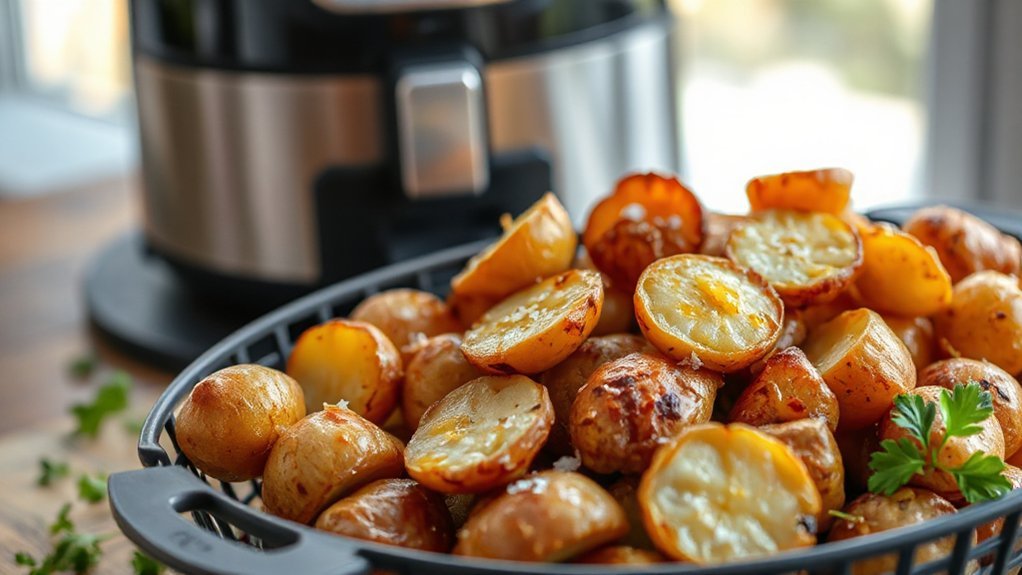
Steamed jasmine or brown rice is a classic—fluffy and mild. Baked or roasted potatoes give a heartier feel. Quick sautéed or steam-in-bag veggies save time and keep things colorful.
Salads and tacos
Toss warm fillets over salad greens with a zippy vinaigrette for a fresh meal. Leftovers? Flake the fish into tacos with crunchy slaw and a squeeze of lime for a fun, easy dinner.
Garnishes and finishes
Finish plates with lemon wedges, chopped parsley, and a crack of black pepper to lift the flavor. Little touches make the meal pretty and pop on the tongue.

- Keep it easy—jasmine rice, roasted potatoes, and quick sautéed veggies pair like a dream.
- Meal-prep friendly: cook extra and build bowls for lunches.
- Short on minutes? Microwave steam-in-bag veggies save the day.
- Pairs nicely with Cajun corn, garlicky green beans, or a simple side salad.
| Side | Prep time | Best with | Notes |
|---|---|---|---|
| Jasmine or brown rice | 15–25 minutes | Buttered or blackened fillets | Neutral base that soaks up sauces |
| Roasted or baked potatoes | 30–40 minutes (hands-off) | Panko-crusted fillets | Make ahead and reheat with fish |
| Sautéed or steam-in-bag veggies | 5–8 minutes | Any preparation | Fast, colorful, and meal-prep friendly |
| Mixed greens salad | 5 minutes | Warm flaked fish | Zippy vinaigrette brightens the plate |
“Keep the table casual—family-style sides let everyone dish up what they love.”
Storage and gentle reheating
Cool the fillets a bit before tucking them away—this helps keep texture and flavor. Cool, seal, and stash is our little motto for leftovers.
Refrigerate: Place cooked fish in an airtight container and chill up to 3 days. For longer holds, wrap pieces tightly and freeze for 2–3 months; label with the date so you don’t forget.
How to reheat without drying out
Best quick fix: heat in the air fryer at 350°F for 3–4 minutes. It crisps the outside and warms the center fast.
Oven method: 350°F for about 10 minutes. Add a small dab of oil or butter if the fillets look dry. Microwave for short bursts if you’re in a hurry—check every 20–30 seconds so the fish stays tender.
- Thaw frozen mahi mahi in the fridge before reheating for best texture.
- Keep portions small so pieces warm evenly in a few minutes.
- Flake leftovers over a salad or grain bowl for an easy, tasty lunch.
“Cool first, reheat gently, and you’ll still get flaky, tasty fish the next day.”
Nutrition snapshot and health notes
This little rundown helps you make smart swaps without losing flavor. Simple choices change the plate—so you get a satisfying meal that still feels light.
Why it works for everyday meals
Mahi mahi is lean and loaded with protein, so one serving keeps you full without heavy calories. As a seafood option, it’s mild and easy to dress up for any diet.
Using an air fryer cuts added oil while still giving crisp edges. Nutrition will shift depending on coating—butter adds fat, mayo+panko sits in the middle, and a light olive oil rub is the leanest choice.
- Protein: fills you up and supports muscle repair.
- Minimal oil keeps calories down but texture high.
- Pick coatings to match goals—olive oil rubs are lighter than buttery or mayo-panko options.
- Balance the plate with veggies and whole grains for a feel-good meal.
- Season cleverly—big taste doesn’t mean big calories.
“Lean, tasty, and easy to customize—perfect for quick weeknight meals.”
Conclusion
Quick, flavorful fish that feels fancy but cooks like a weeknight hero. Pick the buttery blackened route at 380°F for 8–10 minutes, or go panko-crunch at 400°F for 8–12 minutes with a flip. Aim for 137–145°F and opaque, flaky flesh for perfect doneness.
Store cooked fillets in the fridge up to 3 days or freeze for 2–3 months. Reheat best in the air fryer at 350°F for 3–4 minutes to crisp the coating and warm the center.
Y’all, we did it—crispy, flaky mahi mahi that’s dinner-ready fast. Save this among your go-to recipes, grab that lemon, call folks to the table, and let’s dig in!
FAQ
How long does it take to cook mahi mahi fillets in the air fryer?
What internal temperature should I aim for?
Can I cook frozen mahi mahi fillets without thawing?
Do I need oil or butter on the fillets?
How should I layer fillets in the basket?
What seasonings work best on this fish?
Any tips for extra-crispy results?
How do I avoid overcooking the fish?
Can I make keto or gluten-free versions?
What are easy side dishes to serve with this fish?
How long can I store leftovers and how should I reheat them?
What’s the best way to prep fillets for seasoning?
Any advice for cooking different thicknesses or models?
About The Author