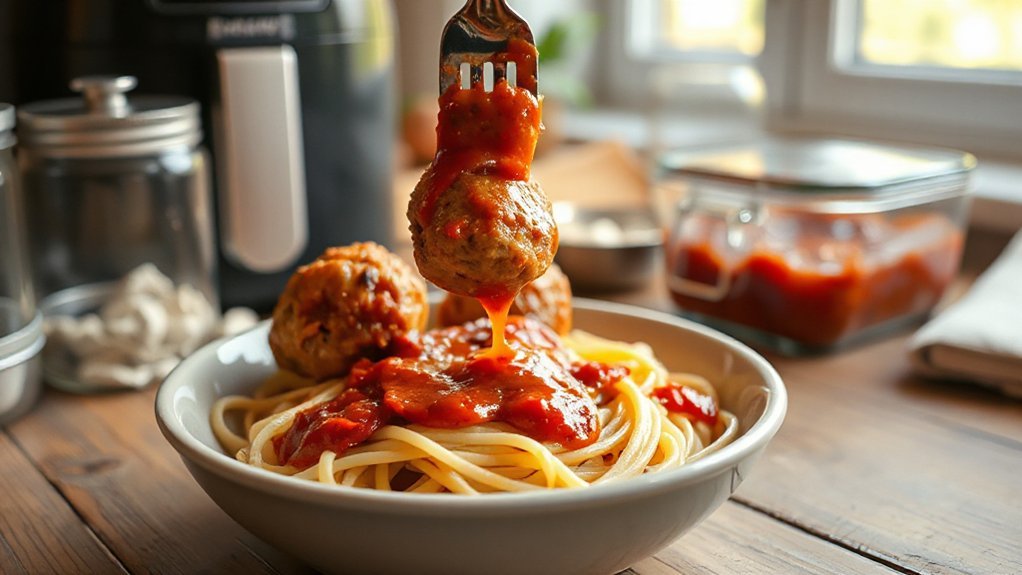
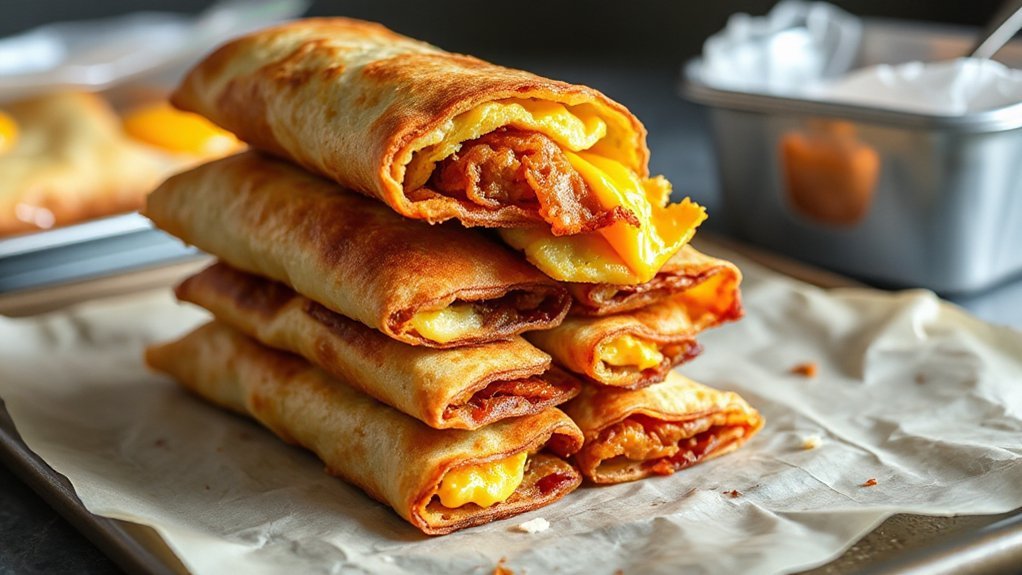
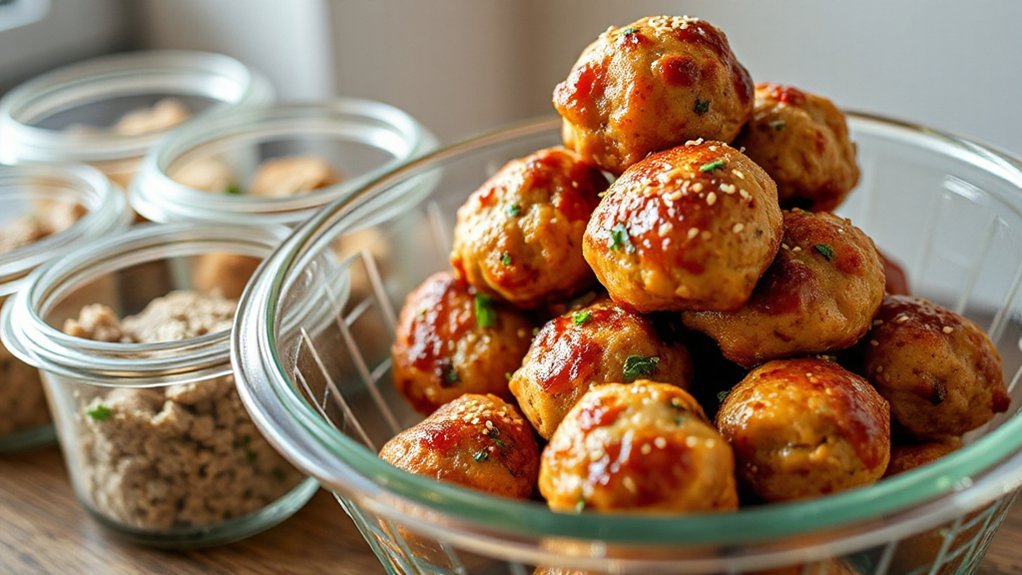
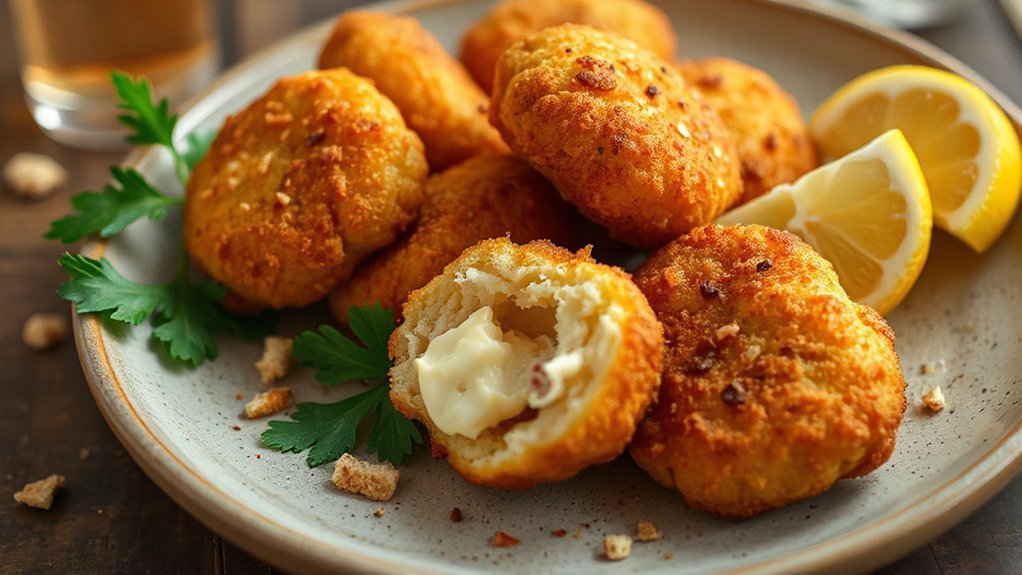
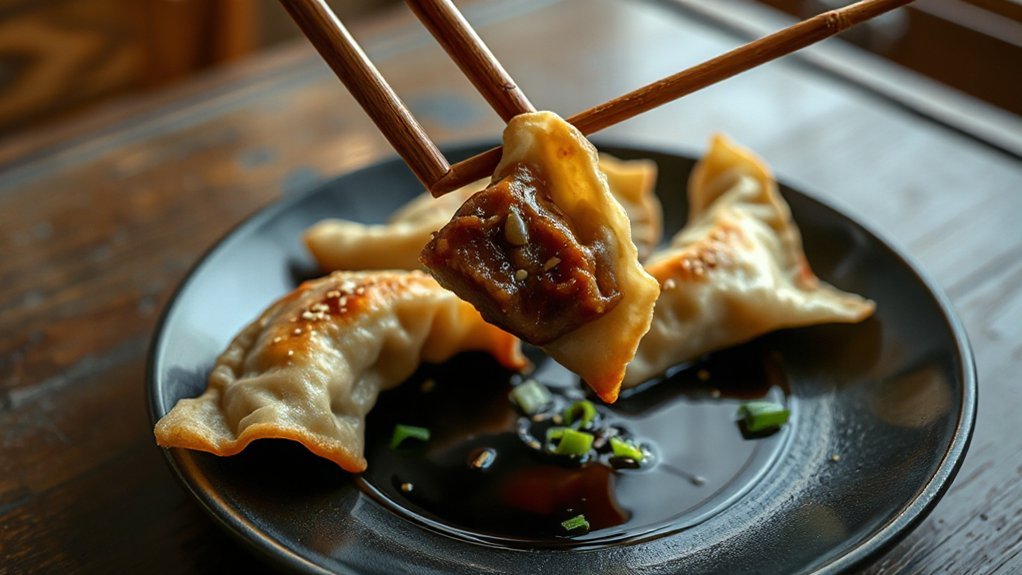
We’re fixin’ to show you how to take that favorite oven standby and make it pop in your air fryer—same flavors, snappier texture, less fuss! We talk simple rules, easy swaps for temperature and time, and what to watch for in a smaller cooking chamber.
Air fryers act like compact convection machines, pushing hot air fast round a tight space for crisp results with little oil. That means quicker cook times and fewer hot spots than bigger ranges.
We’ll walk through when to spritz a touch of oil, when to flip, and how to test doneness so food stays juicy inside and crisp outside. No fancy math—just a general rule you can use at home, plus a quick chart and troubleshooting tips.
Ready to grab a recipe and get cookin’? Let’s dive in and turn that oven favorite into a fryer recipe you’ll reach for all week.
Key Takeaways
- We’ll teach a simple rule for temps and times so you nail it first try.
- Air fryers speed cooking by forcing hot air around a small chamber.
- Light oil spritzes and flipping often fix crispiness fast.
- Watch for smaller capacity—cook in batches when needed.
- Follow our quick chart and troubleshooting tips for consistent results.
Why convert oven recipes to the air fryer today
If you want faster weeknight meals with less fuss, this tweak is a game changer. We’re talking quicker suppers and crisp edges with less oil—perfect when you need dinner on the table fast.
Faster cooking time comes from that tight, fast-flowing air in the chamber. That means many recipes finish sooner than in a traditional oven. Less heat wasted. Less wait.
Even results follow when baskets or racks let air reach more surfaces. Veggies, chicken, and snacks brown nicely without hot spots. Frozen foods? Many packages now list instructions for popular models, so you’re not guessing.
- Quicker weeknights—less time standing over the stove.
- Crisp with less oil—light spritz does the trick.
- Energy-smart—heats fast and uses less power than a full-size range.
- Small batches shine—great for sides and meal prep; for crowds, we’ll show batching tips.
| Benefit | What it means | Good for |
|---|---|---|
| Reduced time | Shorter cook and wait periods | Weeknight dinners, quick snacks |
| Less oil | Light spritz gives crisp edges | Veggies, chicken, frozen foods |
| Even circulation | Fewer hot spots; uniform browning | Racks, baskets, roasted bits |
| Limitations | Smaller capacity and sometimes limited view | Batch cooking needed for large groups |
Conventional oven to air fryer conversion: the general rule of thumb
When we swap recipes over, we treat the smaller cooker like a sprint — cooler heat, shorter time, and frequent checks.
Here’s the general rule thumb: drop the listed temperature by about 25 degrees Fahrenheit and shave roughly 20–30% off the cook time. That gives you crisp edges without drying the inside.
Temperature
Lower the temperature about 25° from what the recipe calls for. For example, if the oven recipe lists 400°F, try 375°F at first. Watch color and texture more than numbers.
Cooking time
Trim time by 20–30%. Set an earlier alarm and peek in a few minutes. That helps you keep eye on browning and doneness.
Size and airflow
Smaller chamber and stronger air movement speed things up. Thick pieces or crowded baskets need a tad more time. Moist batters may not fare well in intense flow—save puddly dishes for the oven.
| Adjustment | What to do | Why it helps |
|---|---|---|
| Temperature | Reduce ~25°F | Prevents overbrowning while keeping center moist |
| Cooking time | Cut 20–30% | Matches faster heat circulation |
| Spacing | Give food room | Ensures even crisping and airflow |
| Keep notes | Write your final temps and minutes | Next swap is effortless |
Step-by-step: how to convert your oven recipe for the air fryer
We’ll keep it simple and friendly—one short run-through that gets you crisp, juicy results.
Prep the food
Cut pieces evenly so everything cooks the same. Pat ingredients dry — less surface moisture means better browning. Then spritz a kiss of olive or avocado oil to help edges crisp and avoid sticky buildup.
Set the right temperature
Take the listed oven figure and drop about 25 degrees as a starting point for cooking temperature. Watch color and smell more than the clock—some toaster-style models run hotter, so be ready to nudge temps down.
Calculate a starting time
Trim the oven time by roughly 20–30% and set your timer for the lower end. Check a few minutes early and add minutes in short bursts until done.
Monitor closely while cooking
Load the basket in a single layer so hot air can swirl. Flip steaks and chops halfway; shake the basket for fries and small frozen bites. Use a digital thermometer for meats and always keep an eye on color.
“Golden and toasty beats a clock every time.”
- Line with perforated parchment if needed.
- Jot final minutes and temperature—next run’s a breeze.
Know your equipment: conventional vs. convection oven vs. air fryer
Gear matters: heat source, fan strength, and chamber size change how your food browns and cooks.
Standard ranges heat from top and bottom elements. They’re great for big roasts and casseroles. But they can have hot and cool spots—so rotate pans when you bake several sheets.
Convection models explained
Convection adds a fan so hot air moves around. That gives more even baking when you run multiple pans. If your range has this setting, your alternate timings will be closer to what a compact fan-driven cooker needs.
Air fryers and toaster-oven style units: what changes in practice
An air fryer is basically a mini convection unit — tight space plus a fan. That’s why air fryers cook faster than larger machines.
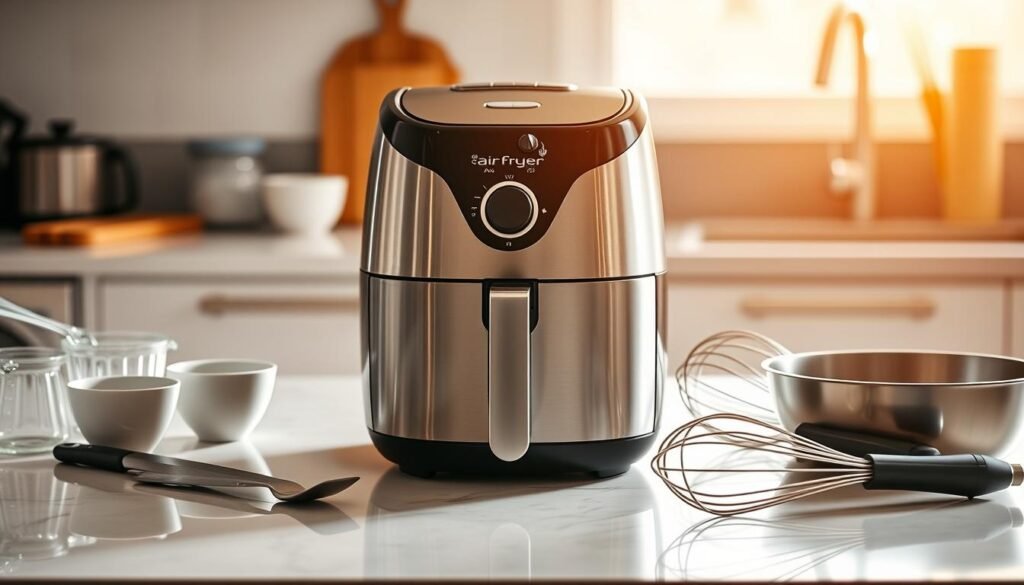
- Basket models crisp small bites best; shakes and flips help even browning.
- Toaster-oven style fryers fit trays and often run even quicker — watch timing!
- Visibility varies—some have windows, many baskets don’t; rely on aroma and time cues.
- Capacity trade-offs: full ranges win for big batches; small fryers shine on weeknights.
“Know your gear — your notes will outsmart any chart.”
Fan strength, rack height, and pan type all change results. Keep a little recipe log for each device. We promise — your next swap will be dead simple.
Pro tips for better air frying results
Tiny changes—like racks and a light spritz—turn shy browning into proud crusts. We’ll walk through easy habits that give you crisp, even results every time.
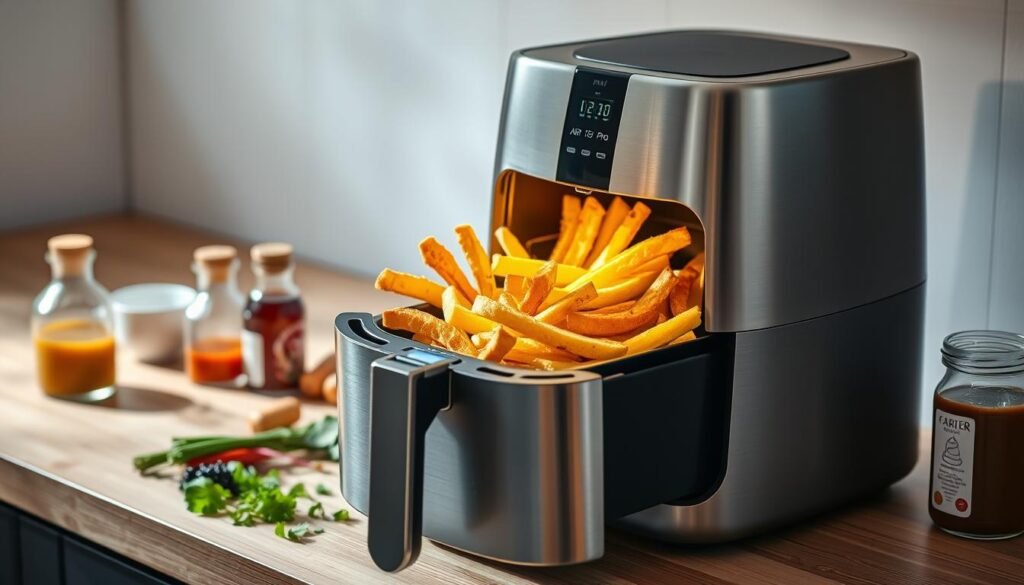
Maximize circulation with racks and perforations
Use a wire rack on a baking sheet when a recipe calls for extra lift. That mimics oven-style airflow and helps heat reach all sides of the food.
Metal racks and mesh baskets brown faster than solid pans. More exposed edges mean better crisping and less sogginess.
Smart oil and parchment moves
Pat food dry, then give it a light spritz of olive or avocado oil. That little kiss prevents sticking and helps browning without greasy mess.
Only use perforated parchment sheets. Solid liners block flow and make cold, soggy spots—perforations keep hot air moving and foods crisp.
Spacing, timing, and simple notes
Don’t stack in the basket—cook in batches for even frying. Flip halfway for prettier color and check doneness with a probe.


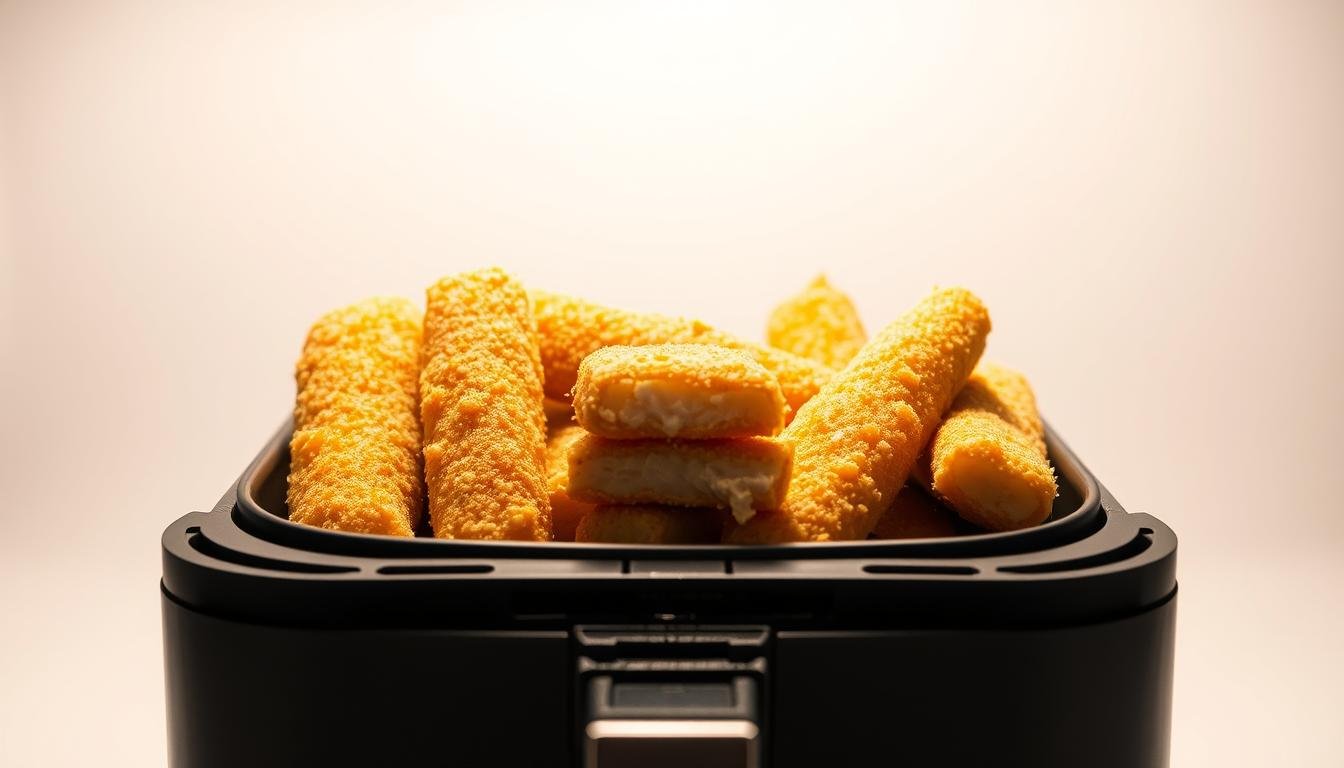
Preheat if your model needs it. Use similar-size cuts and jot final minutes and temperature degrees in a notebook. That little log saves future guessing and makes favorite fryer recipes repeatable.
“Give food room, a tiny spritz, and a good flip—simple as that.”
Adjustments by food type: meats, veggies, frozen foods, and wings
We’ll walk through the quick moves for each food group so your supper sings. Small swaps in handling and timing make a big difference. Follow the cues below—color, touch, and a probe are your friends.
Frozen foods: follow the bag and shake often
Many frozen packages list guidance for an air fryer. Start there. Use the manufacturer temps and minutes as a baseline.
Shake the basket every few minutes for fries and tots. That keeps pieces separated and crisp, not limp.
Meat and chicken: flip and probe for safety
Flip steaks and chops halfway. Use a digital thermometer and aim for safe internal temps—this stops overcooking and keeps juices in.
Chicken loves a light oil spritz. Watch skin color as your timing cue and take meat off a touch early if carryover will finish it.
Vegetables and wings: spacing, flip, and finish
Cut veggies evenly, pat dry, and don’t crowd the basket. That lets hot air reach edges for a good roast.
Wings crisp best in a single layer—flip once. Toss sauce on after cooking for sticky, finger-lickin’ results.
- Quick tips: thicker cuts may need about 20% less oven time when first switching—then add minutes if needed.
- Toaster-oven style units can run hotter—drop temp 10–15 degrees and peek early.
- Seafood cooks fast—check shrimp and salmon a minute or two early so they don’t dry out.
- Keep a small log of final temps and minutes—your favorite air fryer recipes will be nailed next time.
“Golden and toasty beats a clock every time,”
Quick air fryer conversion chart essentials
Here’s a friendly chart that helps you swap oven temps and minutes for basket-ready results. We’ll give starter figures you can trust and a few tweaks for thick cuts and speedy toaster-style models.
Sample oven-to-air fryer temperature and time conversions
Rule of thumb: drop about 25°F and cut the cook time by 20–30% as your first try. Watch color and test for doneness rather than trusting the clock alone.
| Oven temp / time | Try in the fryer | Notes |
|---|---|---|
| 425°F — 20 minutes | 400°F — 14–16 minutes | Flip at halfway; check a minute early |
| 400°F — 25 minutes | 375°F — 17–20 minutes | Thick cuts use longer end of range |
| 450°F — quick roast | 425°F — shorten minutes by ~25% | If browning too fast, drop 10°F and add minutes |
- Use a wire rack or perforated liner — better airflow means even browning.
- Flip or shake at halftime, especially for breaded bites and frozen foods.
- Toaster-style units may run hotter — peek early and note final times.
- Write down your final temps and minutes; your next run will be effortless.
“Sight, smell, and a quick probe beat a guess every time.”
Troubleshooting: soggy, burnt, or unevenly cooked food
When your batch comes out soggy or scorched, a few quick tweaks will usually fix the trouble. We’ll walk through fixes you can try in a minute or two.
Soggy vs. burnt — tweak temps and minutes smartly
Soggy? Stop crowding. Pat pieces dry and give them a light oil spritz. Use a rack or perforated liner so hot air reaches all sides.
Burnt edges? Lower the temperature by about 10°F and add back a couple minutes. That gives a gentler finish and better texture.
Uneven cooking — spacing, flips, and basket shakes
Space items. Flip or shake halfway. Keep cuts similar in size. For meats, use a digital thermometer and pull a bit early — carryover heat will help.
“Sight, smell, and a quick probe beat a guess every time.”
| Problem | Fix | Why it helps |
|---|---|---|
| Soggy bottoms | Use rack / pat dry | Air reaches underside for crisping |
| Burnt edges | Lower temp; add minutes | Prevents overbrowning while finishing inside |
| Uneven browning | Space, flip, uniform cuts | Ensures even heat and color |
| Underdone center | Short bursts of extra minutes; probe | Avoids long overcooking; checks doneness |
- Quick rule: start ~25°F lower than the oven setting and cut time by 20–30% for your first try.
- Keep notes by model — toaster-style units may run hotter, so watch with an extra eye.
Conclusion
We’ve shown you the small swaps that turn familiar recipes into crisp, speedy weeknight wins.
Keep the rule of thumb close: pull about 25 degrees lower than the oven setting and shave roughly 20–30% off the time. Flip or shake mid-cook and use racks or perforated liners for even crisping.
Give foods a light oil spritz. Use a digital thermometer for meat and chicken. For toaster-style units, watch temps—many run hotter and finish faster.
Write a quick note after each run. Your recipe calls will be nailed next time and your favorite air fryer recipes will become go-to dinner magic.
Now pick a favorite, use an air fryer, and enjoy that first crunchy bite hot from the fryer!
FAQ
How do we adjust temperature when switching from an oven to an air fryer?
How much should we cut cooking time when using an air fryer?
What size should food pieces be for best air-frying results?
Do we need to use oil in an air fryer?
Can we use parchment paper in the basket?
How do we handle frozen convenience foods in an air fryer?
What internal temps should we aim for with meats and chicken?
Why does food sometimes cook unevenly in the basket?
How do we avoid soggy results?
When should we flip or shake food during cooking?
Do toaster oven-style air fryers change the rules?
Is there a quick way to pick starting temps and times?
How do we rescue food that’s burnt on the outside but raw inside?
Any tips for wings and other skin-on items?
How do we adapt baking recipes like cookies or small cakes?
About The Author